
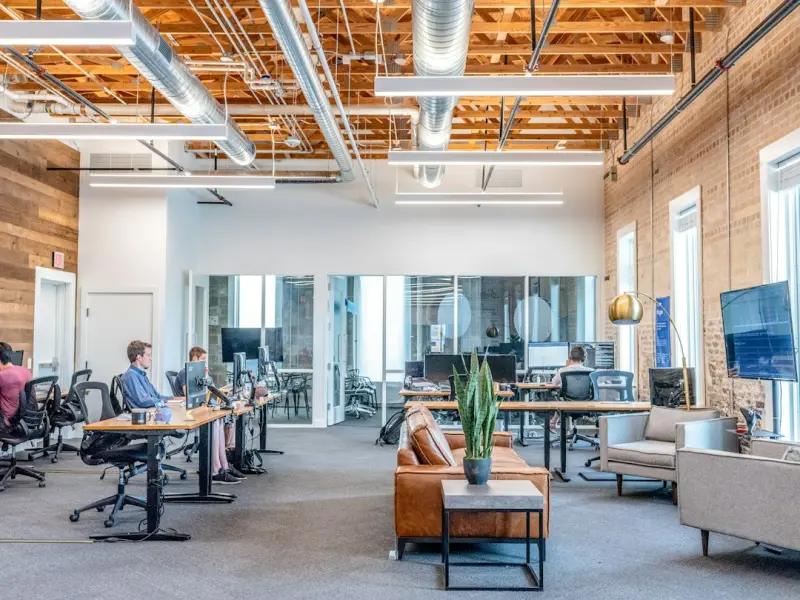
Why Light and Space Matter More Than You Think
When we walk into a modern office, the first things we notice are often the hum of equipment, the chatter of colleagues, and the glare off a computer screen. Rarely do we pause to consider how the quality of light spilling through windows or the way desks are arranged can silently dictate our stress levels, hormone balance, and even immune function. In the past few years, a quiet revolution has been brewing among designers, neuroscientists, and forward‑thinking HR teams: the bio‑optimization of workplace environments.
Imagine a space that doesn’t just accommodate work, but actively fuels mental clarity, stabilizes circadian rhythms, and reduces inflammation. This isn’t a futuristic fantasy; it’s a growing body of evidence that tells us the architecture of our daily surroundings can be a powerful lever for health.
The Science Behind Ambient Light
Natural daylight is a master regulator of the body’s internal clock, the suprachiasmatic nucleus (SCN) in the brain. When we expose our eyes to bright, blue‑rich light in the morning, the SCN signals the pineal gland to suppress melatonin, nudging us toward wakefulness and sharpening cognitive performance. Conversely, dim, warm‑toned lighting in the evening cues melatonin production, preparing the body for restorative sleep.
However, most office spaces rely heavily on fluorescent or LED panels that emit a static, often harsh light spectrum. Over time, this can desynchronize our circadian rhythm, leading to fatigue, mood swings, and even metabolic disturbances. Recent studies have shown that employees working under lighting that mimics natural daylight experience up to a 23% increase in productivity and a measurable reduction in cortisol, the stress hormone.
Beyond brightness, the directionality of light matters. Indirect lighting that reduces glare and evenly distributes illumination can minimize eye strain and prevent the “head‑tilt” posture that strains neck muscles. The gut microbiome also thrives on regular light cues, as emerging research links circadian rhythm disruptions to dysbiosis, the imbalance of gut bacteria that fuels inflammation.
Spatial Design: More Than Aesthetic Appeal
Open‑plan offices promised collaboration but often deliver constant sensory overload. The lack of acoustic privacy and visual barriers forces our nervous system into a perpetual state of hyper‑vigilance, draining mental resources. By integrating “biophilic” elements—think living walls, indoor plants, and natural materials—we tap into an innate human affinity for nature, which can lower blood pressure and heart rate.
Strategic zoning is another key. Creating distinct zones for focused work, collaborative brainstorming, and quiet relaxation helps the brain transition between modes without exhausting its executive function. When spaces are designed to support movement, such as standing desks or walking paths, they encourage micro‑activity throughout the day, counteracting the metabolic risks associated with prolonged sitting.
Practical Bio‑Hacks for Your Office
Below are evidence‑backed interventions you can start implementing today, regardless of whether you’re a facilities manager, a team lead, or an employee championing change.
- Dynamic Lighting Systems: Install tunable LED fixtures that shift from cool, blue‑rich tones in the morning to warm amber hues in the afternoon. Some systems even adjust automatically based on the time of day and weather outside.
- Window Maximization: Reevaluate desk placement to ensure each employee has a clear view of natural light. Even a small glimpse of the sky can synchronize the SCN and boost mood.
- Light‑Dosing Breaks: Encourage brief “light breaks” where staff step outside or sit near a window for 5‑10 minutes. This simple practice can reset circadian rhythms and improve alertness.
- Acoustic Zoning: Use sound‑absorbing panels, white‑noise machines, or soft furnishings in high‑traffic zones to dampen distractions. Quiet pods or phone booths provide refuge for deep work.
- Biophilic Touches: Incorporate low‑maintenance plants like snake plant or pothos, which not only improve air quality but also reduce perceived stress levels.
- Movement‑Friendly Layouts: Place printers, water stations, and communal areas at a slight distance from desks to encourage gentle walking. Offer standing‑friendly meeting rooms with adjustable height tables.
- Personal Lighting Controls: Empower individuals to fine‑tune their immediate lighting environment using desk lamps with adjustable color temperature.
Measuring Impact: Data‑Driven Health
To justify these changes, companies increasingly turn to wellness analytics. Wearable devices can track heart rate variability (HRV), a marker of autonomic nervous system balance, while ambient sensors monitor light intensity, CO₂ levels, and noise. By correlating these data streams, organizations can pinpoint which environmental tweaks produce the most tangible health benefits.
For instance, a tech firm that introduced dynamic lighting and plant installations saw a 15% rise in HRV among its staff over three months, indicating reduced stress. Simultaneously, employee satisfaction surveys reflected a 20% increase in perceived well‑being. Such outcomes not only foster a healthier workforce but also translate into lower absenteeism and higher retention.
Integrating Light and Nutrition: A Holistic Approach
While environmental design is powerful, its effects are amplified when paired with personalized nutrition. Chrono‑nutrition teaches us to align meal timing with our circadian rhythm, optimizing digestion and metabolic health. Consuming a protein‑rich breakfast under bright light can further stabilize glucose and sustain energy levels throughout the day.
Combine this with strategic light exposure, and you create a feedback loop: proper lighting improves hormonal balance, which supports better nutrient assimilation, while well‑timed meals enhance the body’s response to light cues. This synergy is the cornerstone of a truly bio‑optimized workplace.
Overcoming Common Barriers
Implementing these changes can encounter resistance, often rooted in cost concerns or entrenched habits. Here’s how to navigate them:
- Start Small: Pilot a single zone with dynamic lighting and monitor its impact before scaling.
- Leverage Existing Resources: Repurpose underused meeting rooms as quiet pods or plant‑filled breakout areas.
- Show ROI: Use pilot data to illustrate reductions in sick days, improved productivity, or lower energy costs from optimized lighting.
- Engage Employees: Involve staff in selecting plants or designing break spaces to boost ownership and adoption.
- Partner with Experts: Collaborate with occupational health consultants or lighting designers who specialize in human‑centric lighting.
The Future: Adaptive, AI‑Driven Environments
Looking ahead, artificial intelligence will play a pivotal role in personalizing workplace health. Sensors will feed real‑time data to AI platforms that adjust light temperature, brightness, and even scent based on individual biometric feedback. Imagine walking into a meeting room where the lighting automatically shifts to a calming hue as your heart rate spikes, or a workstation that dims as your eyes fatigue.
These adaptive environments promise to make bio‑hacking seamless, turning health optimization into an invisible, yet profoundly impactful, layer of the workday.
Take the First Step Today
The health of your workforce is no longer a peripheral concern; it’s a strategic advantage. By rethinking light and spatial design, you can transform the office from a passive backdrop into an active catalyst for physical vitality and mental resilience. Start with a single light‑tuning intervention, plant a few green allies, and watch the ripple effects across morale, performance, and overall well‑being.

Lifan Chen is a freelancer based in Toronto specializing in marketing. With expertise in crafting effective marketing strategies and campaigns, Lifan helps businesses grow their brand presence and reach target audiences. As a Toronto-based freelancer, Lifan combines local market insights with creative marketing skills to deliver tailored solutions for clients.
Related Posts
The Importance of Mental Health in Preventive Care
Mental health and preventive care are intricately linked. Prioritizing both aspects of health can im... Read More
When Your Screens Feel Heavy: A Mindful Tech Blueprint
Learn how to transform screen fatigue into digital wellness with micro‑breaks, intentional device ... Read More
Breathing Better: How Indoor Air Quality Shapes Your Health
The air inside our homes can be up to ten times more polluted than outdoors, affecting inflammation,... Read More
Top Posts

Revitalize Your Body: A Holistic Detox Blueprint
A comprehensive guide to sustainable detox, focusing on lymphatic flow, skin revitalization, balanced hydration, and mindful breathing to naturally cleanse and ...Read More

Desk‑Bound No More: Crafting a Self‑Guided Physiotherapy Routine for Remote Professionals
Discover a four‑pillar framework—Awareness, Activation, Alignment, and Adaptation—that lets remote professionals turn their home office into a therapeutic...Read More

Embracing Healthy Aging: A Holistic Journey to Longevity
A holistic perspective on aging transforms wrinkles into stories of resilience, blends nutrition with joyful movement, and offers practical tools for blood pres...Read More
When Insomnia Becomes Your Night‑Time Innovation Lab
Discover a practical playbook that transforms restless nights into strategic work sessions, micro‑learning opportunities, and data‑driven insights, while st...Read More
0 Comments
Post Comment
You will need to Login or Register to comment on this post!