
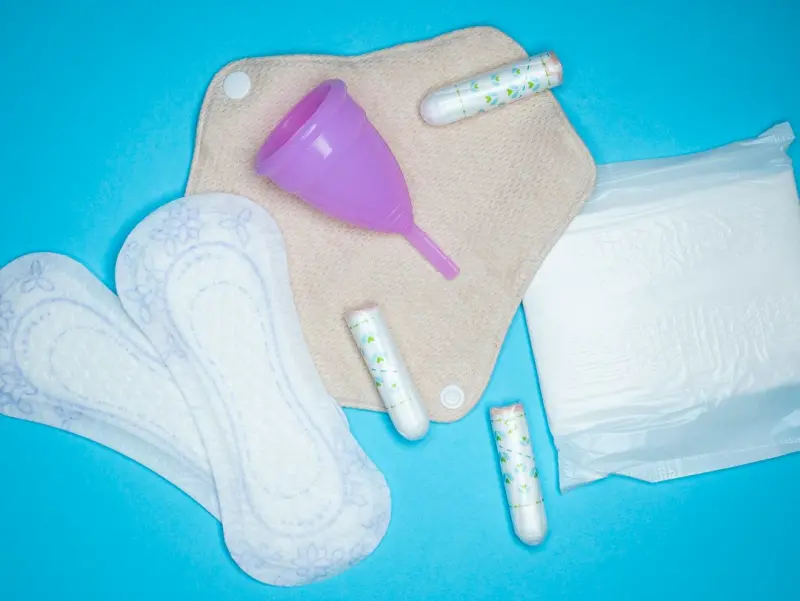
Understanding the Hidden Calendar Inside You
Most of us think of the menstrual cycle as a monthly inconvenience, a set of symptoms to endure until the next “time of the month” rolls around. In reality, it’s a sophisticated biological calendar that influences everything from energy levels to mood, cognition, and even how our bodies respond to food and exercise. When we start to treat the cycle as a data point rather than a nuisance, we unlock a powerful tool for personal optimization.
Why the Cycle Matters Beyond “Period Talk”
Historically, women’s health discussions have been dominated by topics like pregnancy, birth control, or disease prevention. While those are crucial, the menstrual phase itself is often overlooked in mainstream wellness narratives. Yet research shows that hormonal fluctuations during the follicular, ovulatory, luteal, and menstrual phases affect:
- Metabolic efficiency – insulin sensitivity peaks in the follicular phase, making it an ideal window for strength training or high‑intensity interval work.
- Neurotransmitter balance – estrogen boosts serotonin and dopamine, often translating to heightened focus and creativity during mid‑cycle.
- Inflammatory response – progesterone can increase baseline inflammation, which may explain why some women feel achier joints or heightened soreness in the luteal phase.
- Gut microbiome dynamics – hormonal swings alter gut motility and microbial composition, influencing digestion and even mood (designing your gut landscape).
When you start aligning your daily habits with these natural rhythms, you’ll notice a drop in “what’s wrong with me today?” moments and a rise in “I’m exactly where I need to be” feelings.
Mapping Your Personal Cycle
Before you can sync, you need data. Here’s a simple, low‑tech method to get a clear picture of your cycle without relying on expensive apps:
- Calendar Tracking: Mark the first day of bleeding (Day 1). Continue marking each day until the next bleed. Over three months you’ll see the average length and any patterns.
- Symptom Log: Use a small notebook or a note app to jot down energy, mood, cravings, sleep quality, and any physical sensations (e.g., bloating, breast tenderness). Tag each entry with the day number.
- Physical Markers: Notice changes in basal body temperature (a slight rise after ovulation) or cervical mucus consistency. Even simple observations like “my skin feels oilier” can be a clue.
After a few cycles, you’ll have a personal heat map. This map becomes the blueprint for the next section: strategic habit alignment.
Strategic Habit Alignment – The Four Phases
Below is a practical guide for each phase. The recommendations are flexible; think of them as suggestions to experiment with, not rigid rules.
1. Menstrual Phase (Days 1‑5)
- Movement: Gentle activities like yoga, walking, or low‑impact pilates help reduce cramping and improve circulation.
- Nutrition: Focus on iron‑rich foods (leafy greens, lentils, lean red meat) and vitamin C to boost absorption. Hydration is key—aim for at least 2 liters of water a day.
- Work: Schedule low‑stress tasks, brainstorming sessions, or administrative work that doesn’t demand high cognitive load.
- Recovery: Prioritize sleep and consider a short “digital declutter” (digital declutter) to give your nervous system a breather.
2. Follicular Phase (Days 6‑14)
- Movement: This is the ideal window for strength training, high‑intensity interval training (HIIT), or learning new skills that require coordination.
- Nutrition: Carbohydrate intake can be a bit higher; your body processes glucose more efficiently now. Incorporate whole grains, fruits, and legumes.
- Work: Tackle strategic planning, creative projects, or public speaking. Your confidence and communication are naturally elevated.
- Mental Health: Use the heightened dopamine to practice gratitude journals or vision‑board creation.
3. Ovulatory Phase (Days 15‑17)
- Movement: Your peak strength and endurance are here—consider a personal best lift, a challenging run, or a dance class.
- Nutrition: Lean proteins and antioxidant‑rich foods (berries, nuts, seeds) support cellular repair and hormone synthesis.
- Social: This phase often feels socially vibrant. Schedule networking events, team meetings, or dates.
- Mindset: Leverage the surge in estrogen for problem‑solving tasks; it’s an excellent time for brainstorming solutions.
4. Luteal Phase (Days 18‑28)
- Movement: Scale back intensity. Opt for moderate cardio, stretching, or restorative yoga to counteract rising progesterone‑related fatigue.
- Nutrition: Focus on complex carbs, magnesium‑rich foods (pumpkin seeds, dark chocolate) and omega‑3s to soothe mood swings and pre‑menstrual symptoms.
- Work: Shift to execution‑focused tasks—finishing reports, data entry, or routine maintenance work that benefits from steady concentration.
- Self‑Care: Schedule a massage, warm bath, or mindfulness practice. Tiny resets, like a five‑minute breathing exercise, can dramatically reduce irritability (when your immune system goes rogue).
Integrating Cycle Syncing with Existing Wellness Routines
Many women already follow wellness habits—intermittent fasting, meditation, or a specific workout split. The beauty of cycle syncing is that it doesn’t ask you to start from scratch; it merely adds a layer of timing.
For example, if you’re a fan of chrono‑nutrition (aligning meals with your body clock), you can extend that concept to your hormonal clock. During the follicular phase, you might enjoy a later eating window because your metabolism can handle it, while in the luteal phase, an earlier, protein‑focused dinner can stabilize blood sugar and improve sleep.
Addressing Common Concerns
“I have an irregular cycle—can I still sync?” Absolutely. Irregularity often stems from stress, nutrition, or underlying health conditions. Use the tracking methods described above to identify patterns, even if they’re 28‑day or 35‑day cycles. Over time, consistent syncing can actually help regularize your rhythm.
“What if I’m on hormonal birth control?” Hormonal contraceptives flatten the natural peaks, which can diminish the benefits of syncing. Some women choose a “mini‑pill” or a copper IUD to retain natural hormonal fluctuations while still preventing pregnancy. If you’re comfortable, discuss with your provider the possibility of a hormone‑free method to fully leverage cycle syncing.
“I’m an athlete—will this limit my training?” On the contrary, elite female athletes who period‑track often report fewer injuries and better performance because they can plan heavy lifts during the follicular phase and prioritize recovery during the luteal phase.
Tools and Resources to Simplify Syncing
While a paper notebook works fine, there are digital tools that can automate the heavy lifting:
- Cycle‑tracking apps that integrate with wearable data (heart rate variability, basal temperature) to predict phase transitions.
- Nutrition platforms that suggest macro adjustments based on your current phase.
- Mindfulness timers that remind you to take a 2‑minute breath reset during high‑stress luteal days.
Remember, technology should serve you, not dictate you. Use alerts as gentle nudges rather than rigid alarms.
Case Study: A Busy Professional’s 3‑Month Experiment
Meet Maya, a 34‑year‑old marketing director who felt constantly “on edge” and struggled with weight fluctuations. She decided to implement a simple cycle‑syncing protocol for three months:
- Tracked her cycle for one month to establish a baseline.
- Adjusted her workout split: strength training on Days 6‑14, cardio on Days 18‑28.
- Shifted her macro intake: higher carbs in the follicular phase, higher fats and magnesium in the luteal phase.
- Added a 5‑minute breath reset twice daily during the luteal phase.
Results after 12 weeks:
- Energy levels reported a 30% increase during work hours.
- Weight stabilized with a 2‑kg lean muscle gain.
- She experienced a 50% reduction in pre‑menstrual mood swings.
- Sleep quality improved, with an average of 7.5 hours of restorative sleep.
Maya’s story illustrates that even a modest, data‑driven approach can create noticeable shifts in well‑being.
Putting It All Together: A 30‑Day Starter Plan
If you’re new to cycle syncing, try this structured plan. Adjust dates based on your own cycle length.
| Day Range | Focus | Key Actions |
|---|---|---|
| 1‑5 | Recovery | Gentle movement, iron‑rich meals, digital declutter, extra sleep. |
| 6‑14 | Growth | Strength training, higher carbs, creative work, gratitude journaling. |
| 15‑17 | Peak | High‑intensity workouts, lean protein + antioxidants, social events, strategic planning. |
| 18‑28 | Stabilize | Moderate cardio, magnesium & omega‑3 foods, execution tasks, breath resets. |
After the first month, review your symptom log and adjust. The goal isn’t perfection—it’s awareness and gentle alignment.
Final Thoughts: Empowerment Through Rhythm
The menstrual cycle is not a barrier; it’s a built‑in performance enhancer. By honoring its phases, you reclaim agency over energy, mood, and health outcomes. Think of your cycle as a personalized timetable that, when respected, can turn “I’m just surviving my period” into “I’m thriving every day of the month.”

Becky Putman is an Ottawa-based freelance writer and marketing professional with a passion for storytelling, animals, and community involvement. She enjoys creating engaging content that informs, inspires, and connects with readers.
Related Posts
Holistic Secrets Every Woman Needs for Lasting Health
A practical, holistic roadmap empowers women to balance hormones, nurture mental wellness, and build... Read More

Cycle Syncing: Align Your Lifestyle with Your Hormones for Optimal Women’s Health
Learn to synchronize nutrition, movement, and stress‑relief practices with your menstrual phases, ... Read More
Rethinking Hormonal Wellness: A Data‑Driven, Community‑First Path for Women
Discover how aligning cycle‑aware data, supportive peer groups, and targeted lifestyle adjustments... Read More
Top Posts

Desk‑Bound Men: Rewire Vascular Health Today
A practical guide for men who spend most of their day seated, offering micro‑movements, nutrition tweaks, and workspace hacks to protect cardiovascular health...Read More
Cultivating a Mental Garden: Small Daily Practices for Resilience
A fresh approach to mental health: treat your mind like a garden, using simple daily rituals to grow resilience, creativity, and calm, while harvesting lasting ...Read More

Inside the Secret World of the Female Microbiome: Why It Matters and How to Nurture It
The vaginal microbiome plays a crucial role in hormonal balance, immunity, and mood. Learn practical ways to protect and restore this hidden ecosystem for bette...Read More

Beyond the Cloud: Redefining Vaping Culture in the Remote Era
Vaping has quietly become the new coffee break for remote workers, weaving itself into digital routines, health tech, and sustainability conversations. This pos...Read More
0 Comments
Post Comment
You will need to Login or Register to comment on this post!