
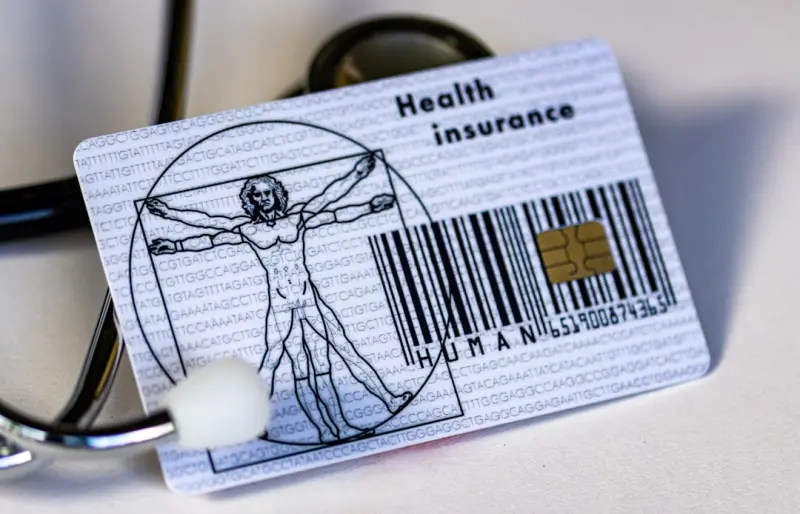
Why the Gig Economy Is the Real Frontier for Health Insurance Innovation
When I first stepped into the world of freelance consulting, the freedom was intoxicating—no 9‑to‑5, no dress code, and the power to pick projects that truly sparked my curiosity. But there was one nagging question that kept surfacing in every contract negotiation: what happens when you need a doctor? The answer, for many of us, was a patchwork of short‑term policies, high‑deductible plans, and a perpetual feeling of being under‑insured.
Over the past few years, I’ve watched the gig economy explode from a niche side‑hustle into a mainstream employment model. Yet the health‑insurance ecosystem has largely lagged behind, still built for a world where employers provide a one‑size‑fits‑all plan. This disconnect creates a hidden cost—not just in out‑of‑pocket expenses, but in the stress and uncertainty that erodes the very productivity gig workers thrive on.
The Traditional Model Is Crumbling
The classic employer‑sponsored insurance model assumes a stable, long‑term relationship between employee and company. Benefits are bundled, negotiated in bulk, and spread across a large risk pool. For full‑time workers, this works well enough, though even they face rising premiums and complex formularies.
Freelancers, contractors, and platform workers, however, confront three fundamental mismatches:
- Temporal volatility: Income can swing dramatically month‑to‑month, making it impossible to predict how much you can afford in premiums.
- Geographic fluidity: Many gig workers move between states—or even countries—depending on where the work is, yet most plans lock you into a single jurisdiction.
- Risk heterogeneity: A digital nomad who spends most of their time at a co‑working space faces a different health‑risk profile than a rideshare driver who spends long hours behind the wheel.
These frictions are why the traditional model is rapidly losing relevance for a growing segment of the workforce.
Enter On‑Demand, Modular Insurance
Imagine a health‑insurance platform that lets you dial‑in coverage exactly when you need it—much like ordering a ride or a streaming show. You could add a dental module for a month, turn on mental‑health support during a stressful project, and then scale back once the deadline passes. This is the promise of on‑demand, modular insurance, and several startups are already piloting such solutions.
What sets these offerings apart is not just flexibility, but data‑driven personalization. By leveraging APIs that sync with wearable devices, expense trackers, and even project‑management tools, insurers can assess risk in real time and adjust pricing accordingly. This approach transforms the insurer from a distant gatekeeper into a proactive health‑partner.
How Wearable Data Is Reshaping Underwriting
We live in an era where a wristband can track heart rate variability, sleep stages, and blood‑oxygen levels with clinical‑grade accuracy. Yet most insurers still rely on static questionnaires that ask, “Do you exercise?” or “Do you smoke?” The gap between what we can measure and what insurers actually use is widening.
By integrating wearable data (with user consent, of course), insurers can move toward continuous underwriting. Instead of a single snapshot at enrollment, the risk profile becomes a living, breathing dataset that evolves with your lifestyle. If you start a new meditation practice and your stress markers drop, your premiums could reflect that improvement in near real time.
There are obvious privacy concerns, but a well‑designed consent framework—where users toggle which metrics they share and receive transparent insights about how those metrics affect pricing—can turn privacy into a competitive advantage.
Case Study: A Freelancer’s Journey from Panic to Predictability
Take Maya, a graphic designer who split her time between a co‑working hub in Austin and remote work from a beachfront in Costa Rica. She initially purchased a high‑deductible plan that offered a low monthly premium but left her exposed to catastrophic costs. When she fractured her wrist during a weekend surf session, the out‑of‑pocket bill topped $12,000.
After that shock, Maya switched to a modular platform that let her add a “travel injury” rider for the months she spent in Costa Rica. The platform synced with her smartwatch, which logged her activity level and flagged the increased injury risk. Her premium adjusted automatically—higher during surf season, lower when she was desk‑bound. Over a year, she saved roughly $3,500 compared to the static plan she’d previously held.
This story underscores two core insights:
- Dynamic pricing can align cost with actual risk, preventing over‑paying during low‑risk periods.
- Granular coverage options reduce the “one‑size‑fits‑none” dilemma that plagues gig workers.
Bridging the Gap: Policy Recommendations for Regulators
For on‑demand insurance to scale, regulators must adapt. Here are three policy shifts that could accelerate adoption while protecting consumers:
- Standardized Data‑Sharing Protocols: Create industry‑wide APIs that ensure data from wearables is transferred securely and consistently, reducing friction for new entrants.
- Portable Coverage Portfolios: Mandate that coverage modules be portable across state lines, recognizing the fluid geography of modern work.
- Transparency Mandates: Require insurers to disclose how real‑time data influences premium calculations, empowering users to make informed decisions.
These changes would not only foster competition but also safeguard the very demographic that stands to benefit most from flexible coverage.
Leveraging Existing Knowledge: A Quick Dive into Value‑Based Design
If you’re familiar with the principles of Value‑Based Insurance Design, you’ll recognize that the goal is to align incentives with health outcomes. On‑demand insurance takes that a step further: it aligns incentives with behavioral patterns in real time. While value‑based plans encourage the use of high‑value services, modular plans nudge you toward preventive actions exactly when you’re most likely to act.
In practice, this could mean a system that offers a discounted “wellness boost” after you complete a 30‑day step challenge, or a mental‑health add‑on that unlocks at the moment your wearable detects chronic sleep deprivation. The synergy between value‑based design and on‑demand flexibility creates a feedback loop that benefits both the consumer and the insurer.
Practical Steps for Freelancers Today
If you’re a gig worker eager to future‑proof your health coverage, consider these actionable steps:
- Audit Your Risk Profile: List the activities, locations, and income fluctuations that characterize your work life. This will guide you in selecting the right modules.
- Explore Wearable Integration: Choose a health‑insurance platform that offers optional data syncing. Start with low‑sensitivity metrics (like steps) and gauge comfort levels.
- Build a Coverage Portfolio: Treat your health insurance like a personal investment portfolio—mix core “baseline” coverage with targeted add‑ons that can be turned on or off.
- Stay Informed on Regulatory Changes: Keep an eye on state legislation regarding portable health benefits; some states are already piloting “portable health credit” systems.
Looking Ahead: The Role of AI in Predictive Health Management
Artificial intelligence is poised to become the brain behind the next generation of health‑insurance platforms. By analyzing aggregated, anonymized data from thousands of freelancers, AI can predict emerging risk clusters—think spikes in seasonal flu among remote workers during winter months—or identify early signals of burnout before they manifest as costly medical claims.
These predictive insights could trigger automated coverage adjustments, such as offering a short‑term mental‑health buffer during high‑stress periods, or prompting a preventive vaccination reminder. The result is a virtuous cycle: smarter insurance drives healthier behavior, which in turn reduces claim frequency and stabilizes premiums.
For those of us who love to blend data, technology, and human well‑being, this is an exciting frontier where the lines between insurer, employer, and personal health coach blur in a beneficial way.
Conclusion: Embrace the Flexibility, Demand the Transparency
The gig economy is not a temporary experiment; it’s the new normal for a sizable portion of the workforce. As we collectively shift toward more fluid employment models, health insurance must evolve from a static, employer‑centric product to a dynamic, user‑centric service. On‑demand, modular plans powered by real‑time data and AI offer a viable path forward.
If you’re a freelancer, don’t settle for the “good enough” plan that many traditional insurers still push. Seek out platforms that give you control, transparency, and the ability to align coverage with your actual lifestyle. And if you’re an insurer, the message is clear: the future belongs to those who can turn data into personalized, adaptable health solutions.
Let’s reimagine health insurance not as a bureaucratic necessity, but as an empowering tool that moves in lockstep with the rhythms of modern work.
For more insights on how data‑driven design is reshaping the health‑care landscape, you might also find Your Gut as a Cognitive Powerhouse an interesting read—especially when considering how holistic health metrics can feed into smarter insurance models.
Stay curious, stay covered, and keep leveraging the levers that technology offers to protect your most valuable asset: your health.

Lifan Chen is a freelancer based in Toronto specializing in marketing. With expertise in crafting effective marketing strategies and campaigns, Lifan helps businesses grow their brand presence and reach target audiences. As a Toronto-based freelancer, Lifan combines local market insights with creative marketing skills to deliver tailored solutions for clients.
Related Posts
The Insider’s Guide to Getting the Most Out of Your Health Insurance
A personal, step‑by‑step guide reveals how to read the fine print, leverage preventive care, and... Read More

The Secret Weapon Small Biz Leaders Use to Win the Talent War: Smart Health Benefits
A strategic health‑benefits plan can be a small business’s most powerful recruiting tool. Learn ... Read More

Unlocking the True Value of Telehealth: A Guide to Maximizing Your Health Insurance Benefits
Learn how to decode telehealth benefits, leverage digital therapeutics, and use wearables to get the... Read More
Top Posts

Micro‑Progress: The Quiet Engine Behind Sustainable Muscle Gain
Discover the power of micro‑progress—small, measurable adjustments in training and nutrition—that unlock sustainable muscle gain and lasting confidence....Read More

Unlocking Liver Health: Nutrition, Rhythm, and Resilience
A comprehensive guide reveals how aligning meals with your liver’s circadian rhythm, training adaptive stress responses, nurturing the gut‑liver axis, and f...Read More

Sunlight, Soil, and Simple Rituals: A Triple‑Layer Approach to Everyday Mental Resilience
A practical guide showing how combining morning sunlight, soil interaction, and ambient nature sounds creates a low‑effort, high‑impact routine for lasting ...Read More

The Unexpected Power of a Digital Declutter During Pregnancy
A focused digital declutter helps expecting parents lower cortisol, enhance sleep, and free mental space for intuitive bonding, offering a calm pathway through ...Read More
0 Comments
Post Comment
You will need to Login or Register to comment on this post!