
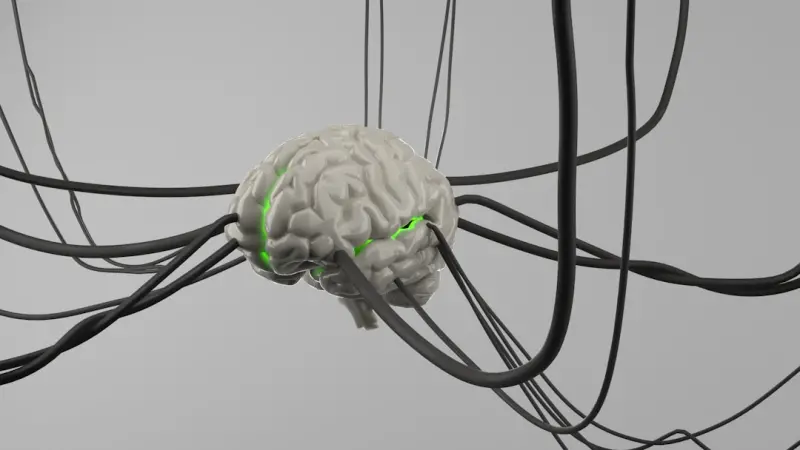
Ever notice how the moment you sit down with a coffee, the notification ping feels louder than the espresso machine? I’m Jessica, and after years of juggling client deadlines, conference calls, and a never‑ending scroll of social feeds, I realized my brain was running a marathon it never signed up for. The constant buzz wasn’t just a nuisance—it was a silent thief, stealing focus, joy, and—most importantly—peace of mind.
The Quiet Epidemic of Digital Overload
We live in a hyperconnected era where devices are extensions of ourselves. While technology has democratized information and opened doors to unprecedented collaboration, it has also birthed a new form of stress: digital overload. Unlike traditional stressors—like a looming presentation or a traffic jam—digital overload is omnipresent, invisible, and relentless. It sneaks in through every notification, every email, every endless scroll, and before you know it, you’re caught in a feedback loop of anxiety and distraction.
Research shows that the average adult checks their phone 150 times a day. That’s roughly once every six minutes. Each interruption forces the brain to shift gears, a process neuroscientists call “task‑switching.” The cost? A measurable dip in cognitive performance and a spike in cortisol, the body’s primary stress hormone.
Why Traditional Self‑Help Isn’t Cutting It
If you’ve tried the usual “unplug for an hour” or “use a meditation app” approaches, you might have felt a fleeting sense of relief that evaporated as soon as the next notification buzzed. The problem isn’t the lack of tools; it’s the lack of a systematic, sustainable framework that acknowledges the depth of our digital entanglement.
Many wellness guides focus on surface‑level fixes—like “turn off notifications at night”—but ignore the underlying architecture of our habits. We need a holistic reset that re‑programs the brain’s relationship with technology, not just a temporary band‑aid.
Enter Digital Minimalism: A Blueprint for Mental Clarity
Digital minimalism isn’t about ditching technology entirely; it’s about curating it. Think of it as a mental decluttering process, similar to cleaning out a closet. You keep the pieces that truly serve you and donate—or recycle—the rest.
Here’s how I’ve begun to implement this philosophy in my daily life, and how you can tailor it to fit your own rhythm:
- Audit Your Apps: Spend a weekend listing every app on your phone. Rate each on a 1‑5 scale for “value” versus “distraction.” Keep only the high‑value apps.
- Designate Tech‑Free Zones: Identify spaces in your home where screens are forbidden—perhaps the bedroom or the dining table. These zones become sanctuaries for offline connection.
- Batch Your Communication: Instead of reacting to every email or message as it arrives, set specific windows (e.g., 9‑10 am, 2‑3 pm) for checking and responding. This reduces the cognitive load of constant interruptions.
- Implement a “Digital Sunset”: Choose a time each evening—ideally an hour before bed—to shut down all screens. Use this period for reading, journaling, or a calming ritual.
Rewiring the Brain for a Healthier Digital Relationship
When I first tried digital minimalism, I felt a strange mix of freedom and panic. The silence was uncomfortable at first, but soon my mind started to feel spacious. The shift was not magical—it was the result of deliberate neuroplastic changes. By consistently reducing digital noise, the brain begins to rewire its default mode network, the part of the brain responsible for mind‑wandering and rumination.
For a deeper dive into how to train your brain for resilience in a hyperconnected world, check out this article on strategies for cognitive vitality. It outlines practical exercises—like focused breathing, single‑tasking drills, and strategic breaks—that complement digital minimalism perfectly.
The Role of Physical Environment in Digital Well‑Being
Our surroundings heavily influence our digital habits. A cluttered desk invites endless scrolling, while a well‑organized workspace can signal intentionality. I’ve found that re‑designing my environment has a profound impact on my mental health.
Consider these tweaks:
- Physical Separation: Keep your phone in another room while you work on tasks that require deep focus.
- Visual Cues: Use a small plant or a “focus” sign on your desk to remind you of your intent to stay present.
- Lighting: Natural light boosts mood and reduces eye strain, making you less likely to default to screen time as a source of stimulation.
Community Connection: The Antidote to Digital Isolation
One unexpected benefit of scaling back screen time is the resurgence of real‑world connections. I started a weekly “no‑phone” coffee meet‑up with a few colleagues, and the simple act of sharing a laugh without a glowing screen became a powerful mood enhancer.
Human interaction triggers oxytocin release, which combats cortisol and promotes feelings of safety. If you’re looking for a structured way to foster offline bonds, consider joining a local hobby group, a book club, or even a volunteer organization. The sense of belonging you cultivate offline can dramatically offset the loneliness that often accompanies digital overuse.
Mindful Media Consumption: Quality Over Quantity
It’s not just the amount of time we spend online, but the quality of that time. Curating the content you consume can protect your mental landscape. Ask yourself:
- Does this article add value or merely fill a time‑slot?
- Am I scrolling mindlessly, or am I engaging with material that aligns with my goals?
- How does this content make me feel—energized or drained?
When you notice that a particular feed leaves you feeling anxious or depleted, it’s a signal to adjust or eliminate that source.
Technology as a Tool, Not a Master
There’s a growing movement of “tech‑for‑good” tools designed to support mental health—apps for guided meditation, mood tracking, and sleep hygiene. While these can be valuable, they should be used intentionally, not as a crutch that keeps you glued to the screen.
For example, a simple habit‑tracking app can replace a habit of scrolling through social media before bed. Set a reminder to log three things you’re grateful for. The act of writing—digital or analog—creates a pause, allowing your brain to transition into a restful state.
Measuring Your Progress: The Digital Wellness Dashboard
To stay accountable, I created a personal “digital wellness dashboard.” Here’s what I track:
- Screen Time: Total hours per day, broken down by device.
- Notification Count: Number of alerts received during work hours.
- Mindful Moments: Minutes spent in meditation, deep breathing, or offline activities.
- Sleep Quality: Hours of uninterrupted sleep, using a sleep‑tracking device.
By reviewing these metrics weekly, I can see trends, celebrate wins, and adjust strategies when needed. The act of quantifying your digital habits makes the abstract concrete, giving you a roadmap for continual improvement.
When Setbacks Happen—And They Will
Even with the best intentions, you’ll have days when you fall back into old patterns. Perhaps a high‑pressure project triggers a flurry of emails, or a global news event fuels an urge to stay constantly informed. The key is self‑compassion.
Instead of guilt‑tripping yourself, acknowledge the slip, identify the trigger, and gently steer back to your chosen routine. Remember, digital minimalism is a marathon, not a sprint.
Future‑Proofing Your Mental Health in a Connected World
As technology continues to evolve—think augmented reality, AI assistants, and immersive social platforms—our approach to mental health must evolve alongside it. The core principles remain the same: intentional use, boundary setting, and fostering real‑world connections.
If you’re interested in how small lifestyle shifts can unlock broader health benefits, explore this piece on hidden levers for everyday health. It offers a complementary perspective on how seemingly minor adjustments can cascade into profound mental and physical well‑being.
Take the First Step Today
Pick one of the tactics above—maybe a digital sunset or a tech‑free zone—and commit to it for the next seven days. Notice how your mind feels, how your focus sharpens, and how your stress levels shift. Share your experience with a friend or write it down. The journey to reclaiming calm is personal, but it’s also communal. When we model healthy digital habits, we inspire those around us to do the same.
In a world that never stops buzzing, the most radical act you can perform is to press pause, breathe, and choose where you direct your attention. Your mind will thank you, and your future self will thrive.

Jessica Hall is a dynamic freelance writer based in the vibrant city of London, Ontario. As a dedicated single mom, she expertly juggles the demands of parenthood with her passion for storytelling, crafting compelling narratives that resonate with readers. With a background in retail, Jessica brings a unique perspective to her writing, infusing her work with insights drawn from her experiences
Related Posts

Untangling the Digital Web: Strategies for Mental Clarity in a Hyperconnected World
In a world of constant notifications, Paula Wright shares a step‑by‑step guide to reclaim mental... Read More

The Art of Structured Daydreaming for Emotional Balance
Learn a simple three‑step Structured Daydream Cycle that turns everyday mind‑wandering into a po... Read More

Holistic Strategies for Elevating Mental Health in a Busy World
Explore holistic, actionable steps to improve mental health—covering sleep, diet, movement, and gu... Read More
Top Posts

Predictive Glucose: How Real‑Time Data Can Transform Your Sugar Management
Learn how continuous glucose monitors, AI predictions, and tiny data‑driven habits can turn blood sugar management from guesswork into a precise, personalized...Read More

When Your Internal Clock Gets the Wrong Invite: A Chronotype‑Driven Approach to Insomnia
Insomnia often stems from a clash between your body’s innate chronotype and modern schedules. Learn practical steps—light exposure, sensory cues, and increm...Read More

Stress‑Smart Longevity: Harnessing Hormesis for a Longer, Healthier Life
Learn how to turn everyday stressors—cold showers, sauna sessions, intermittent fasting, and cognitive challenges—into powerful longevity tools by embracing...Read More

The Intersection of Physiotherapy and Mental Health: A Comprehensive Approach
Physiotherapy and mental health are closely linked. A comprehensive approach to physiotherapy considers the whole person - body, mind, and spirit - and can prom...Read More
0 Comments
Post Comment
You will need to Login or Register to comment on this post!