

Remote work has rewired the way we think about “office hours,” “commute,” and even “lunch breaks.” While the flexibility can feel liberating, it also blurs the boundaries between professional demands and personal needs—creating a perfect storm for the hidden surge of eating disorders in the digital workspace. In this piece, I draw from my own journey as a former remote‑first employee and a lifelong observer of human behavior to explore how the virtual office can unintentionally nurture disordered eating, and more importantly, how we can reclaim a healthier relationship with food without sacrificing the freedoms that remote work offers.
The Silent Shift: From Cafeteria to Kitchen Counter
When I first transitioned to a home office, the daily ritual of walking to a cafeteria, choosing a balanced meal, and returning to my desk felt like a built‑in checkpoint. Now, my kitchen is just a few steps away, and the line between “working” and “eating” has become virtually invisible.
Three subtle dynamics fuel this shift:
- Constant accessibility: The refrigerator is always within arm’s reach, turning hunger cues into convenience cues.
- Performance pressure: Without the physical separation of a workplace, the urge to “power through” meals during deadlines spikes.
- Social isolation: Virtual meetings lack the informal chatter around food that often normalizes eating habits.
These dynamics don’t just affect calorie intake; they can trigger the rigid thought patterns that underlie many eating disorders, such as an over‑emphasis on control, perfectionism, and self‑judgment.
When Screens Replace Satiety Signals
Our brains are wired to respond to visual and auditory cues. In an office, the clatter of a lunchroom, the aroma of a shared potluck, or even the simple act of stepping away from a desk serve as natural “pause” signals for hunger and fullness. In the remote setting, the constant glow of a screen hijacks those cues.
Research shows that gut‑brain connection plays a pivotal role in appetite regulation. When we’re glued to a monitor, we often ignore subtle stomach sensations, leading to either mindless overeating or the opposite—skipping meals entirely in favor of productivity.
Perfectionism, Productivity, and the “All‑Or‑Nothing” Mindset
Remote work environments reward output and efficiency, sometimes at the cost of personal well‑being. The “all‑or‑nothing” mindset can creep in: if I don’t finish a report by noon, I might feel unworthy of a proper lunch, opting instead for a quick, calorie‑dense snack that promises immediate energy.
This binary thinking mirrors classic patterns in eating disorders, where foods are labeled “good” or “bad,” and any deviation is viewed as a failure. The difference now is that the “failure” is tied to work performance rather than purely body image.
Digital Triggers: Social Media, Food Apps, and the Comparison Trap
Outside of work tasks, many remote workers turn to social platforms for connection. Unfortunately, the constant stream of curated meals, “clean‑eating” posts, and fitness milestones can amplify body dissatisfaction. The nutrient synergy narrative, while scientifically sound, is often weaponized into diet trends that feel unattainable.
Similarly, food‑tracking apps, originally designed for awareness, can become obsessive tools, feeding the compulsive counting that characterizes disorders like anorexia nervosa and bulimia nervosa.
Building a Resilient Food‑Work Relationship
To navigate this landscape, I propose a three‑layered framework that blends psychological flexibility, environmental design, and purposeful technology use.
1. Psychological Flexibility: The Mindful Pause
Before reaching for a snack, ask yourself:
- Am I truly hungry, or am I feeling anxious about a deadline?
- What emotions am I trying to soothe with food?
- Can I address this feeling in another way (e.g., a short walk, a breathing exercise)?
Practicing this “mindful pause” reduces the automaticity of eating and helps rebuild trust in your internal hunger signals.
2. Environmental Design: Structuring Space for Balance
Just as office designers use layout to promote well‑being, you can apply lifestyle architecture principles at home:
- Designated meal zones: Keep eating confined to a specific chair or table, away from the primary workstation.
- Scheduled “food breaks”: Set calendar alerts for meals, treating them as non‑negotiable meetings.
- Visual cues: Place a water bottle on your desk to remind you to hydrate before reaching for food.
3. Purposeful Technology: Harnessing Tools Without Becoming Their Slave
Use technology to support, not dictate, your eating habits:
- Set app notifications for mindful eating timers rather than calorie counting.
- Curate your social feed to include body‑positive accounts and nutrition science that emphasizes balance over restriction.
- Leverage video calls for “virtual lunch dates” with colleagues to recreate the social aspect of meals.
Actionable Strategies for the Remote Worker
Below is a practical checklist you can integrate into your daily routine. Each item addresses a specific pressure point in the remote work–eating disorder nexus.
- Morning grounding ritual: Spend five minutes breathing or stretching before opening your laptop. This anchors your mind in the present, reducing the impulse to start working on an empty stomach.
- Pre‑planned meals: Prepare simple, balanced meals the night before. Having a visual plan reduces decision fatigue and the temptation to binge on convenience foods.
- “Eat‑away‑from‑screen” rule: Commit to keeping all meals at least 15 minutes away from any screen. This encourages you to focus on taste, texture, and satiety cues.
- Check‑in buddy system: Pair up with a coworker to exchange brief check‑ins about meal times and emotional states. Peer accountability can mitigate isolation.
- Micro‑movement breaks: Every 90 minutes, stand, stretch, or take a brief walk. Movement reduces cortisol spikes that often drive stress‑eating.
- Digital detox hour: Designate one hour each day—preferably after dinner—where all work‑related notifications are silenced. This creates a mental buffer between work and personal time.
Reframing Food: From Control Symbol to Cognitive Fuel
In the remote work era, the narrative around food often swings between “fuel for productivity” and “enemy of focus.” Both extremes can be harmful. Instead, view food as a tool that sustains cognitive performance without dictating self‑worth.
Consider the concept of cognitive nutrition: certain nutrients—omega‑3 fatty acids, complex carbohydrates, and antioxidants—support memory, attention, and mood regulation. When you align meals with these cognitive needs, eating becomes a strategic, empowering act rather than a punitive one.
Community Over Isolation: Cultivating Support Networks
One of the most powerful antidotes to disordered eating is community. In a physical office, casual conversations around the water cooler serve this purpose. In the virtual world, we must intentionally recreate it.
Ideas include:
- Hosting a weekly “well‑being roundtable” on a video platform where team members discuss stressors, share recipes, and celebrate small wins.
- Creating a Slack channel dedicated to non‑work topics, such as cooking experiments or mindful breathing tips.
- Partnering with mental‑health professionals to offer virtual workshops on body positivity and intuitive eating.
Looking Ahead: A Sustainable Model for Remote Work and Food Harmony
As remote work continues to evolve, so too must our approach to health. The goal isn’t to return to the old office paradigm but to forge a new, sustainable model where productivity and well‑being coexist.
By recognizing the unique pressures remote environments place on our relationship with food, implementing intentional design strategies, and fostering genuine community, we can break the cycle of control and anxiety that fuels eating disorders. The path forward is not a single solution but a mosaic of mindful practices, supportive connections, and technology that serves us—rather than the other way around.
Remember, the journey is personal, but you don’t have to walk it alone. Reach out, set boundaries, and give yourself permission to enjoy food as the nourishing, life‑affirming experience it truly is.

Lifan Chen is a freelancer based in Toronto specializing in marketing. With expertise in crafting effective marketing strategies and campaigns, Lifan helps businesses grow their brand presence and reach target audiences. As a Toronto-based freelancer, Lifan combines local market insights with creative marketing skills to deliver tailored solutions for clients.
Related Posts

When the Plate Becomes a Battleground: Reframing Eating Disorders in the Modern Workplace
A deep dive into the hidden triggers of eating disorders in professional settings, offering actionab... Read More

When Performance Metrics Meet Eating Disorder Recovery
A deep‑dive into how corporate performance metrics can unintentionally fuel eating disorders—and... Read More
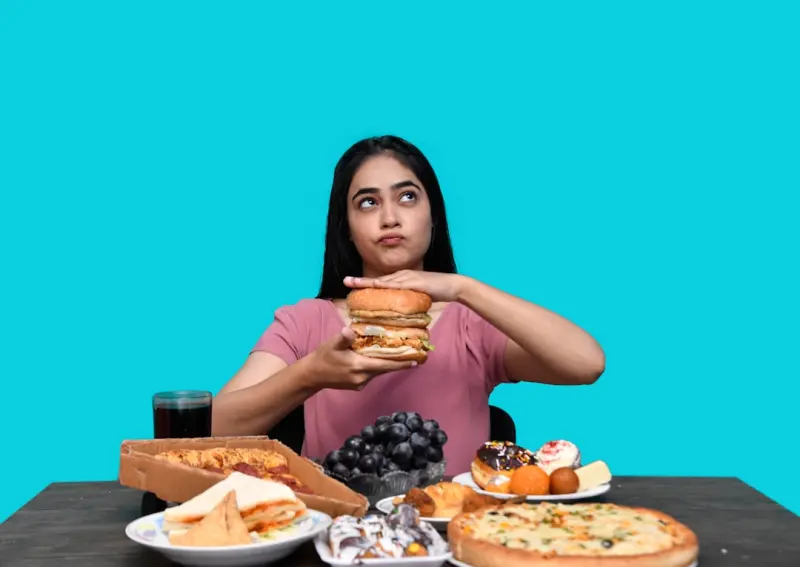
Neurodiversity & Eating Disorders: A Fresh Perspective
A deep dive into the unique ways neurodiversity influences eating disorders, offering practical tool... Read More
Top Posts

Muscle Gain Mastery: Micro‑Periodization and the Mind‑Body Edge
A deep dive into micro‑periodization, the mind‑muscle connection, and how gut health and blood sugar stability can accelerate hypertrophy for serious lifter...Read More
Turning Autoimmune Challenges into Creative Strengths
Explore a fresh, science‑backed approach to managing autoimmune disease by weaving creative activities into daily life, boosting well‑being and offering rea...Read More
The Unseen Cost of Constant Connectivity: Reclaiming Mental Space in a Hyper‑Digital World
Constant notifications hijack our brain’s reward system, leading to anxiety and reduced focus. This post reveals micro‑rituals, digital‑workspace design, ...Read More

The Unseen Cost of Clouds: How Vaping Shapes Our Planet and Our Choices
A deep dive into vaping’s ecological footprint reveals the hidden costs of disposable devices, battery waste, and micro‑plastics, while offering practical s...Read More
0 Comments
Post Comment
You will need to Login or Register to comment on this post!