
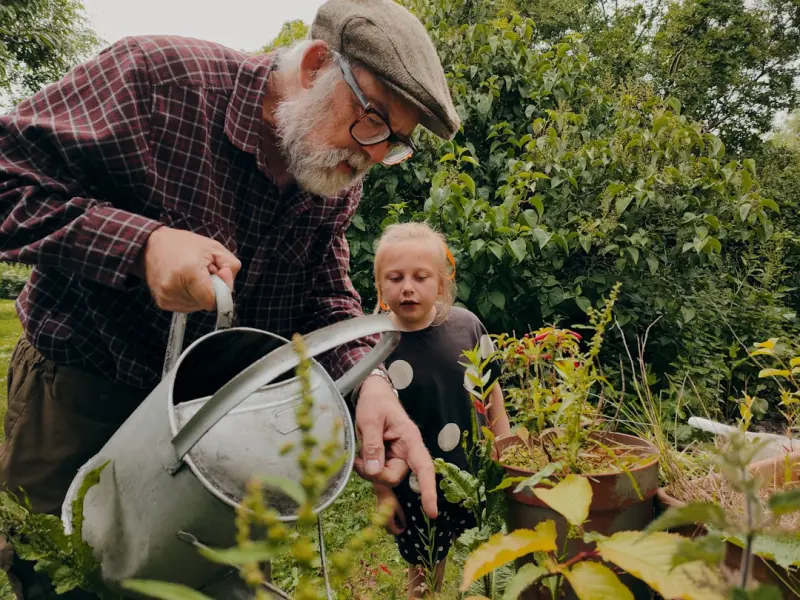
When I first stepped onto the modest plot behind the senior center, the earth was still cool from the night’s frost, and the rows of raised beds waited like blank canvases. I’d spent decades watching the same health advice cycle through the same buzzwords—cardio, supplements, mindfulness—yet something about the scent of fresh soil promised a different kind of prescription. In the weeks that followed, I watched residents trade stories while planting tomatoes, laugh over mis‑measured seed packets, and, most importantly, reclaim a sense of agency that many of us lose as the years add up. This isn’t a feel‑good anecdote; it’s a roadmap for how community gardening can become a powerful health catalyst for seniors.
Rooted Benefits: More Than Just Fresh Produce
At first glance, a garden seems like a simple hobby. Digging, watering, and harvesting are low‑impact activities, but they trigger a cascade of physiological and psychological responses that go far beyond the plate.
- Physical resilience: Light resistance work—pulling weeds, turning soil, lifting small pots—activates muscle groups that are often neglected in conventional senior fitness programs. Regular, moderate movement improves joint flexibility, maintains bone density, and even supports cardiovascular health without the intimidation of a treadmill.
- Cognitive stimulation: Planning a planting schedule, remembering which crops thrive together, and troubleshooting pests keep the brain engaged. This kind of “strategic gardening” mirrors the mental gymnastics of chess, fostering neuroplasticity and sharpening memory.
- Emotional equilibrium: The rhythmic nature of gardening—sowing, nurturing, reaping—mirrors the natural cycles we all crave. Studies show that exposure to green spaces reduces cortisol, the stress hormone, while increasing serotonin, the feel‑good neurotransmitter.
- Social connectivity: Shared beds become shared stories. When neighbors chat over compost, they forge bonds that combat loneliness—a risk factor for everything from hypertension to cognitive decline.
These four pillars intersect to create a holistic health boost, a synergy that single‑purpose interventions often miss. If you’re skeptical, consider how a simple daily stroll can improve mood; now amplify that with purposeful, tactile work, and the benefits multiply.
Getting Started: The “Garden Starter Kit” for Seniors
Launching a garden doesn’t require a sprawling backyard or a green‑thumb pedigree. Below is a step‑by‑step checklist designed with senior accessibility in mind.
- Choose the right location: Sunlight is essential, but too much heat can be exhausting. A spot that receives morning sun and afternoon shade provides a comfortable working temperature.
- Elevate the beds: Raised beds at waist height reduce the need to bend, protecting the lower back and knees. Aim for a height of 24‑30 inches; many community centers already have these, or they can be built with modest lumber.
- Invest in ergonomic tools: Look for lightweight, cushioned‑handle trowels, cultivators, and pruning shears. Tools with extended handles minimize strain.
- Select senior‑friendly crops: Opt for fast‑growing, low‑maintenance vegetables like lettuce, radishes, and herbs. These give quick harvests, reinforcing a sense of accomplishment.
- Establish a watering routine: A drip‑irrigation system or a simple soaker hose reduces the physical effort of hand‑watering and ensures consistent moisture.
- Schedule regular “garden socials”: Set a weekly time for residents to gather, tend the beds, and share a snack. Consistency builds habit, and the social aspect adds an extra layer of motivation.
While the logistics may feel daunting, many senior centers already have volunteers and local horticulture clubs eager to lend a hand. Don’t be shy about reaching out; the community’s collective knowledge can be a game‑changer.
Integrating Garden Time with Existing Health Routines
One of the biggest hurdles for seniors is fitting new activities into an already packed health regimen. The key is to treat gardening as a complementary practice, not a competing one.
For instance, if you’ve been advised to follow a gentle morning routine, consider adding a 10‑minute garden walk right after your stretch. The fresh air and light activity reinforce the morning’s calming effect while kick‑starting metabolism.
Similarly, if medication management has become a chore, the routine of checking plants can serve as a natural reminder. Pairing pill intake with watering the tomatoes—say, “one pill, one plant”—creates a mental cue that reduces missed doses.
Technology Meets Trowel: Modern Tools for the Traditional Gardener
While the soil feels ancient, today’s seniors are embracing technology to stay independent. A smart pillbox might remind you to take medication, but a similar “smart garden hub” can alert you when it’s time to water, fertilize, or harvest. Simple Bluetooth‑enabled sensors monitor soil moisture and temperature, sending notifications straight to a phone or tablet.
Don’t let the tech jargon scare you. Most devices come with one‑click setup and voice‑assistant compatibility. If you’ve already mastered a digital calendar, adding a garden reminder is a natural next step.
Case Study: The Meadowbrook Senior Center Transformation
At Meadowbrook, a 70‑year‑old former accountant named Eleanor was diagnosed with early‑stage osteoarthritis. Her physician recommended low‑impact exercise and weight management, but the prescribed “light walk” quickly became a chore. When the center introduced a raised‑bed garden, Eleanor found herself reaching for tomatoes instead of the treadmill.
Within three months, her joint pain decreased noticeably. The garden’s gentle bending and reaching acted as functional strength training, while the social interaction lifted her mood. Her doctor noted a modest drop in blood pressure and a spike in HDL (“good”) cholesterol—an unexpected bonus that reinforced the garden’s multi‑system benefits.
Eleanor’s story isn’t unique. Across the country, senior gardens are reporting similar outcomes: reduced falls, improved glycemic control, and heightened overall life satisfaction.
Addressing Common Concerns
- “I don’t have a green thumb.” You don’t need to. Start with hardy plants and let the community’s collective knowledge guide you. Mistakes are learning opportunities, not failures.
- “I’m worried about physical strain.” Elevated beds, ergonomic tools, and a paced schedule keep exertion low. Remember, the goal is consistent, gentle activity—not marathon labor.
- “What if I forget to water?” Automated drip systems, timers, or a buddy‑system reminder can eliminate the mental load.
- “I’m concerned about safety with tools.” Choose tools with non‑slip grips and maintain them regularly. A quick weekly inspection prevents accidents.
From Soil to Soul: The Psychological Harvest
Beyond measurable health metrics, gardening nourishes something harder to quantify: purpose. As you watch a seed break through the earth and mature into a fruit‑bearing plant, you experience a tangible reminder that growth doesn’t stop at any age.
Research in gerontology highlights “purposeful engagement” as a predictor of longevity. A garden offers a daily purpose—water, prune, harvest—that anchors the day and mitigates feelings of aimlessness.
Connecting with the Larger Community
Many senior gardens have evolved into intergenerational hubs. Local schools volunteer for “Harvest Days,” where children help pick produce and learn about nutrition. In return, seniors share stories, creating a two‑way exchange that enriches both groups.
This bridge extends health benefits beyond the garden’s fence. Children receive fresh, pesticide‑free food, while seniors enjoy the invigorating buzz of youthful energy, which can further boost mood and cognitive sharpness.
Measuring Success: Simple Metrics for Ongoing Evaluation
To ensure your garden continues to deliver health dividends, track a few straightforward indicators:
- Physical activity log: Note minutes spent gardening each week. Aim for 150 minutes of light activity per month—a realistic target for most seniors.
- Mood journal: Record a brief daily mood rating (1‑10). Look for upward trends correlating with garden days.
- Social interaction count: Tally the number of unique conversations or new friendships formed during garden sessions.
- Harvest yield: While not a health metric per se, seeing tangible results can reinforce adherence and satisfaction.
Over time, you may notice improved mobility, reduced medication reliance, or even a lower need for physician visits. Those are the real harvests—hard data paired with the softer, but equally vital, sense of thriving.
Closing Thoughts: Planting the Seed of Longevity
We often chase high‑tech solutions for senior health, from wearable monitors to AI‑driven therapy apps. While technology has its place, the humble garden reminds us that some of the most potent interventions are rooted in nature and community.
By turning a patch of earth into a shared living laboratory, seniors can simultaneously strengthen bodies, sharpen minds, and deepen social ties. The garden becomes a living prescription, one that adapts to each season of life—spring’s hopeful planting, summer’s vibrant growth, autumn’s reflective harvest, and winter’s quiet rest.
If you’re a senior looking for a fresh avenue to health, or a caregiver seeking an inclusive, low‑risk activity, consider stepping onto the soil. Your future self may thank you with a basket of ripe tomatoes, a steadier gait, and a heart full of stories.

Tom Ferguson is a Canadian freelance writer with a passion for storytelling, current events, and thoughtful commentary. Drawing on years of writing experience, he shares engaging insights on a wide range of topics, bringing a uniquely Canadian perspective to his work.
Related Posts

Storytelling for Seniors: Harnessing Life Narrative to Sharpen Memory and Mood
Sharing personal stories activates brain pathways, reduces isolation, and builds resilience. Learn s... Read More

How Smart Pillboxes Are Redefining Senior Independence
Smart pillboxes turn medication management into a confidence‑boosting routine, offering reminders,... Read More

The Intersection of Aging and Chronic Health Conditions: A Holistic Approach to Senior Health
A holistic approach to senior health involves considering the whole person - body, mind, and spirit ... Read More
Top Posts
Nutrient Density Scoring: A Data‑Driven Edge for High‑Performance Professionals
Discover a practical framework that converts the chemistry of food into a single score, helping busy professionals align nutrition with productivity and long‑...Read More
The New Nutrition Paradigm: Holistic Fuel for Modern Life
Explore how modern nutrition integrates gut health, micronutrient density, and personalized fueling for sustained energy, performance, and overall wellness in 2...Read More
When Daylight Becomes a Trigger: Living and Thriving with Narcolepsy
A deep dive into the biology, lifestyle hacks, technology, and community support that empower people with narcolepsy to design resilient, productive lives....Read More

The Gut‑Brain‑Heart Trifecta: Why Men Need a Microbiome Reset Now
A deep dive into the gut‑brain‑heart connection reveals why men’s performance hinges on microbiome health. Learn practical, data‑driven steps to reset y...Read More
0 Comments
Post Comment
You will need to Login or Register to comment on this post!