

When the Night’s Silent Alarm Goes Off: Rethinking Sleep Apnea as a Data‑Driven Design Challenge
Sleep apnea has long been the quiet intruder that sneaks into our nights, steals our rest, and leaves us feeling like we’ve run a marathon before sunrise. Most of the conversation around it focuses on diagnostics, CPAP machines, and the dreaded “snore‑and‑stop” routine. But what if we flipped the script? What if, instead of treating apnea as a stubborn medical problem, we approached it as a design challenge—one that blends physiology, behavior, and technology into a feedback loop that empowers the sleeper rather than shackles them?
My own journey with sleep apnea began not in a clinic, but on a late‑night coding sprint. I was wrestling with a deadline, sipping coffee, and the sudden, involuntary gasp that followed a deep snore jolted me awake. The next morning, a quick online symptom checker nudged me toward a sleep study. The results? Moderate obstructive sleep apnea. The lesson? Even the most high‑performing bodies can be hijacked by a silent, recurring pause.
From that point, I started looking at apnea through the lenses I use for everything else: curiosity, play, and iteration. Below, I’ll walk you through a fresh, data‑driven framework that you can start applying tonight—whether you’re a tech‑savvy professional, a wellness coach, or just someone tired of waking up feeling like a zombie.
1. Map the Nightly Rhythm Like a Product Sprint
Every product sprint begins with a clear map of user journeys, pain points, and success metrics. Sleep apnea is no different. The first step is to capture the micro‑events that make up a night’s sleep: breathing cycles, heart‑rate variability, oxygen saturation dips, and the audible cues (snoring, choking) that often betray an episode.
- Collect baseline data. Wearables like smart rings or finger‑pulse oximeters can log SpO₂ levels every few seconds. Even a simple smartphone app that records sound can flag the acoustic signature of an apnea event.
- Identify patterns. Look for clusters—does the apnea spike after a heavy meal? After an evening screen binge? After a stressful meeting?
- Define success metrics. For a user‑centric design, success isn’t just “AHI < 5.” It’s “I wake up feeling refreshed,” “my partner stops complaining about the snoring,” and “my productivity stays steady the next day.”
By treating the night as a sprint, you can iterate quickly. A week of data might reveal that a 30‑minute walk after dinner reduces event frequency by 20%. That’s a design lever you can pull without prescribing a new machine.
2. Turn the Bedroom into a Living Lab
In my previous work, I loved turning ordinary spaces into experimental playgrounds. The bedroom is ripe for this mindset. Here’s how you can start:
- Modular lighting. Soft, warm lights that dim gradually can cue the body to produce melatonin. Pair this with a playful nighttime reset—a short, guided “wind‑down” routine that mixes gentle stretches and visual cues.
- Environmental sensors. A tiny CO₂ sensor can alert you if room ventilation drops, which often exacerbates apnea episodes. Sync the alert to a gentle vibration on a smartwatch rather than a jarring alarm.
- Adaptive mattress technology. Some smart mattresses can adjust firmness based on body position, encouraging side‑sleeping—a known mitigator for obstructive events.
The goal isn’t to buy every gadget on the market, but to experiment with low‑friction tweaks that can be measured, tweaked, and scaled.
3. Harness the Power of Micro‑Movement Before Bed
We’ve all heard the mantra “move more, sit less,” but the timing and type of movement matter, especially when dealing with apnea. In the post Micro‑Movement Mastery, I explored how subtle, frequent motions can rewire our bodies for better health. Applying that to the pre‑sleep window looks like this:
- Gentle torso twists. A series of slow, seated twists opens the thoracic cavity, promoting better diaphragmatic breathing.
- Leg “muscle pumps.” While seated, alternately extend and flex your calves. This boosts venous return and reduces fluid accumulation in the lower limbs—a factor that can worsen nighttime airway collapse.
- Controlled breathing drills. Not the deep “inhale‑hold‑exhale” routine, but a rhythmic 4‑4‑4 pattern (four seconds inhale, four seconds hold, four seconds exhale) that trains the autonomic nervous system to stay balanced.
These micro‑movements take less than five minutes and can be incorporated into a nightly ritual. Over time, they condition the respiratory muscles, making them more resilient during sleep.
4. Leverage Digital Habits as a Hidden Lever
Our digital footprints often dictate our sleep quality more than we realize. Blue light exposure, late‑night notifications, and the habit of “checking email in bed” can all destabilize the sleep architecture that apnea thrives on. In the article Why Your Digital Habits Could Be the Missing Piece in Prediabetes Control, I highlighted how small tech tweaks ripple into big health gains. The same logic applies here:
- Screen curfew. Set an automatic “night mode” at least 60 minutes before bedtime that filters blue light and dims colors.
- Notification gating. Use “Do Not Disturb” profiles that allow only emergency contacts to break through after you’re in the “sleep window.”
- Data dashboards. Many sleep trackers offer a daily “sleep score.” Make it a habit to review the score each morning, note any spikes in apnea events, and correlate them with your digital activity that day.
By consciously redesigning our digital environment, we create a more predictable, low‑stress pre‑sleep state that reduces the likelihood of airway collapse.
5. Reframe CPAP: From “Device” to “Design Partner”
CPAP machines have a reputation for being clunky and uncomfortable. Yet, they’re arguably the most powerful tool we have for severe apnea. Instead of seeing them as a foreign object, treat the CPAP as a design partner:
- Personalized pressure settings. Modern devices allow auto‑titration based on real‑time data. Spend a week letting the machine learn your patterns, then review the data to fine‑tune comfort.
- Integrate with smart home. Use IFTTT or similar services to dim lights automatically when the CPAP starts, creating a seamless transition into sleep.
- Gamify adherence. Set weekly goals for “hours of uninterrupted CPAP use” and reward yourself with a small perk—perhaps a new e‑book or a coffee from your favorite café.
This mindset shift not only improves adherence but also opens the door for iterative improvements based on user feedback—exactly how any product development cycle works.
6. Community Experiments: Share, Learn, Iterate
One of the most powerful ways to accelerate learning is through collective experimentation. Form a small “sleep lab” with friends, family, or coworkers who are also navigating apnea. Share data (anonymized if needed), swap low‑cost interventions, and hold monthly “retro” meetings to discuss what moved the needle.
Think of it as a design sprint for sleep. Each participant brings a hypothesis—maybe “a warm shower before bed reduces events” or “adding a humidifier improves nasal airflow.” Over a two‑week sprint, they test, log results, and iterate. The shared knowledge base grows exponentially, and you get the added benefit of accountability.
7. The Bigger Picture: From Personal Health to Workplace Performance
Sleep apnea isn’t just a bedroom issue; it’s an organizational risk. Daytime sleepiness translates to reduced focus, slower reaction times, and increased error rates. By applying the data‑driven, experimental mindset described above, companies can proactively support employees:
- Offer wearable health kits. Provide devices that track sleep metrics and integrate the data into wellness platforms.
- Flexible work hours. Allow employees to align their most demanding tasks with their personal peak alertness windows, which may shift as they improve sleep quality.
- Sleep‑friendly office design. Quiet pods, adjustable lighting, and “nap‑zones” can serve as recovery spots for those on the journey to better sleep.
When you frame apnea as a design problem, the solution space expands beyond the mattress to the entire ecosystem that supports a person’s nightly recovery.
8. Takeaway: Your Nightly Blueprint Starts Tonight
Sleep apnea is a complex physiological puzzle, but like any puzzle, it becomes manageable when you break it down into observable pieces and apply a systematic, iterative approach. Here’s a quick starter kit you can implement this week:
- Set up a simple sound recorder on your phone to capture snoring patterns.
- Log one digital habit you’ll change (e.g., “no screens after 9 pm”).
- Do a 5‑minute micro‑movement routine before bed.
- Configure your CPAP (or alternative device) for auto‑titration and integrate it with your smart lights.
- Review the data each morning and note any correlation between your new habit and the recorded events.
Repeat, tweak, and share your findings with a trusted group. Within a few cycles, you’ll likely notice a drop in apnea frequency, better morning energy, and perhaps even a newfound curiosity about how other health challenges can be reframed as design opportunities.
Remember, the night’s silent alarm isn’t a verdict—it’s a prompt. By approaching sleep apnea with the same curiosity, playfulness, and rigor you’d apply to any innovative project, you can turn those interruptions into actionable insights that improve not just your sleep, but your whole life.

Related Posts

Unlocking Peak Performance: How Untreated Sleep Apnea Undermines Business Success
Sleep apnea silently erodes cognitive sharpness and physical stamina, costing businesses millions. T... Read More
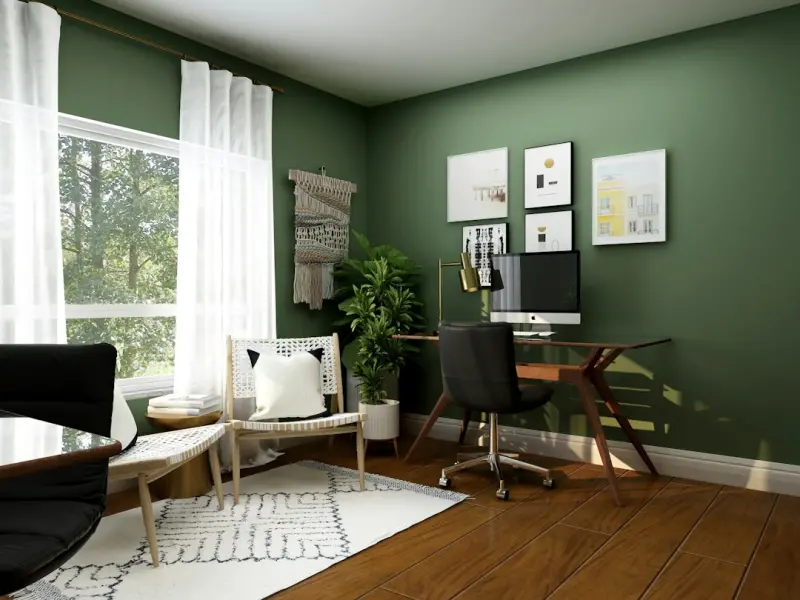
The Remote Work Paradox: When Home Offices Fuel Sleep Apnea
This post uncovers why home office setups often aggravate sleep apnea, offers data‑driven warning ... Read More
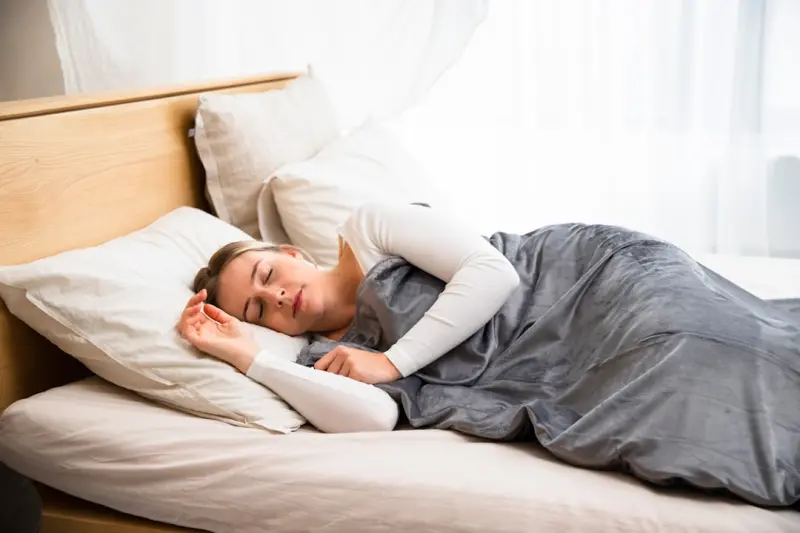
How Sleep Apnea Shapes Your Day: From Boardroom to Bedroom
Sleep apnea isn’t just a nighttime problem—it seeps into work, travel, and relationships. This a... Read More
Top Posts
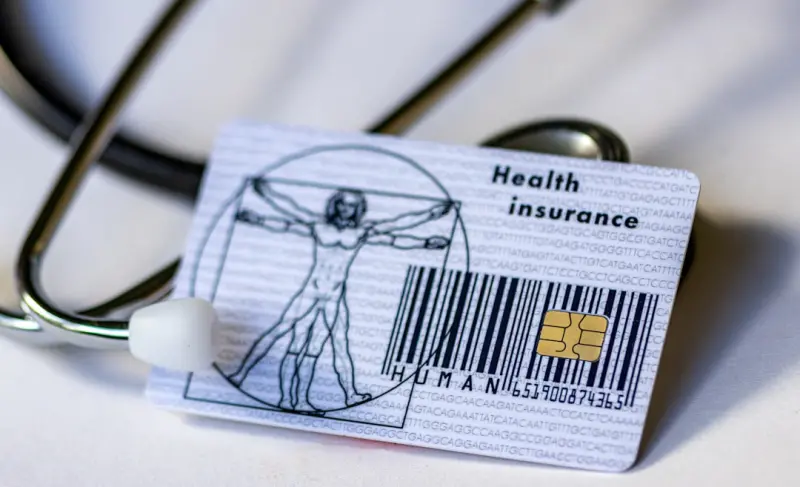
Reimagining Health Insurance: From Safety Net to Preventive Wellness Engine
Health insurance is evolving into a preventive health platform that integrates data, personalized incentives, and seamless care navigation, offering measurable ...Read More

Nutrition and Mental Health: The Unbreakable Bond
Nutrition plays a critical role in maintaining good mental health. Learn how a balanced diet rich in essential nutrients can support mental wellbeing and reduce...Read More
Reclaiming Energy: Syncing Hormones and Daily Rhythms for Women
Learn how aligning sleep, nutrition, movement, and digital habits with hormonal cycles can restore energy and empower women to thrive....Read More

My Whole‑Body Detox Blueprint: Simple Steps for Radiant Health
I share my step‑by‑step detox roadmap, from kitchen swaps to gentle sweats, showing how tiny daily tweaks can reset your system and unleash vibrant energy y...Read More
0 Comments
Post Comment
You will need to Login or Register to comment on this post!