

Nutrition and Mental Health: The Unbreakable Bond
As a nutrition enthusiast, I've always been fascinated by the intricate relationship between food, nutrition, and mental health. It's no secret that a healthy diet plays a crucial role in maintaining overall wellbeing, but did you know that it's also closely linked to mental health? In this article, we'll explore the unbreakable bond between nutrition and mental health, and how a holistic approach to nutrition can have a profound impact on our mental wellbeing.
A well-balanced diet rich in essential nutrients, vitamins, and minerals is essential for maintaining good mental health. Foods high in omega-3 fatty acids, such as salmon and walnuts, have been shown to have a positive impact on mental health by reducing symptoms of depression and anxiety. On the other hand, a diet high in processed foods, sugar, and saturated fats can have a negative impact on mental health, leading to increased symptoms of depression and anxiety. By making informed food choices, we can take the first step towards maintaining good mental health.
The Gut-Brain Connection
The gut and brain are connected through the gut-brain axis, a complex communication network that enables the exchange of information between the two. The gut microbiome, which consists of trillions of microorganisms, plays a crucial role in this connection. A healthy gut microbiome is essential for producing neurotransmitters, such as serotonin and dopamine, which regulate mood and emotions. An imbalance of the gut microbiome, also known as dysbiosis, has been linked to various mental health conditions, including depression and anxiety. By maintaining a healthy gut microbiome through a balanced diet and probiotics, we can support good mental health.
Nutrition and Mental Health During Pregnancy
Pregnancy is a critical period in a woman's life, and nutrition plays a vital role in maintaining good mental health during this time. A balanced diet rich in essential nutrients can help alleviate symptoms of anxiety and depression, which are common during pregnancy. Foods high in folate, such as leafy greens and legumes, are essential for fetal development and can also help reduce symptoms of depression. Additionally, omega-3 fatty acids have been shown to have a positive impact on fetal brain development and can also help reduce symptoms of depression.
The Importance of Holistic Health Insurance
In today's fast-paced world, it's easy to overlook the importance of holistic health insurance. However, holistic health insurance can play a critical role in maintaining good mental health. By providing coverage for nutrition counseling, mental health services, and alternative therapies, holistic health insurance can help individuals take a proactive approach to their mental health. This can include working with a registered dietitian to develop a personalized nutrition plan, seeking mental health services, or trying alternative therapies such as acupuncture or meditation.
Cancer Prevention and Nutrition
Cancer prevention is a critical aspect of maintaining good health, and nutrition plays a vital role in this process. A balanced diet rich in fruits, vegetables, and whole grains can help reduce the risk of certain types of cancer. Foods high in antioxidants, such as berries and leafy greens, can help protect cells from damage and reduce inflammation. Additionally, a diet high in fiber can help regulate blood sugar levels and reduce the risk of certain types of cancer.
Nutrition and Overall Wellbeing
Nutrition plays a critical role in maintaining overall wellbeing, and a holistic approach to nutrition can have a profound impact on our mental and physical health. By making informed food choices and taking a proactive approach to nutrition, we can reduce the risk of chronic diseases, such as heart disease and diabetes. A balanced diet rich in essential nutrients can also help support mental health, reducing symptoms of anxiety and depression. By prioritizing nutrition and taking a holistic approach to health, we can unlock the secrets to optimal wellbeing.
Embracing Healthy Aging
As we age, our nutritional needs change, and it's essential to adapt our diet to meet these changing needs. Healthy aging requires a holistic approach to nutrition, taking into account factors such as digestive health, cognitive function, and overall wellbeing. A balanced diet rich in essential nutrients, combined with regular exercise and social engagement, can help support healthy aging. By prioritizing nutrition and taking a proactive approach to health, we can reduce the risk of age-related diseases and maintain a high quality of life.
Conclusion
In conclusion, the bond between nutrition and mental health is unbreakable. By making informed food choices and taking a holistic approach to nutrition, we can support good mental health and reduce the risk of chronic diseases. It's essential to prioritize nutrition and take a proactive approach to health, working with healthcare professionals to develop a personalized nutrition plan. By doing so, we can unlock the secrets to optimal wellbeing and maintain a high quality of life.
Some key takeaways from this article include:
* A balanced diet rich in essential nutrients is essential for maintaining good mental health. * The gut-brain connection plays a critical role in mental health, and a healthy gut microbiome is essential for producing neurotransmitters. * Nutrition plays a vital role in maintaining good mental health during pregnancy. * Holistic health insurance can play a critical role in maintaining good mental health by providing coverage for nutrition counseling and mental health services. * A balanced diet rich in fruits, vegetables, and whole grains can help reduce the risk of certain types of cancer.
By prioritizing nutrition and taking a holistic approach to health, we can unlock the secrets to optimal wellbeing and maintain a high quality of life.

Kelly Reynolds is a dynamic freelance writer hailing from the picturesque landscapes of Alberta. A master of the written word, she juggles her passion for storytelling with the exhilarating chaos of being a mother to five spirited children. With an impressive portfolio that spans various genres, Kelly captivates readers through her engaging blog posts and thought-provoking articles.
Related Posts
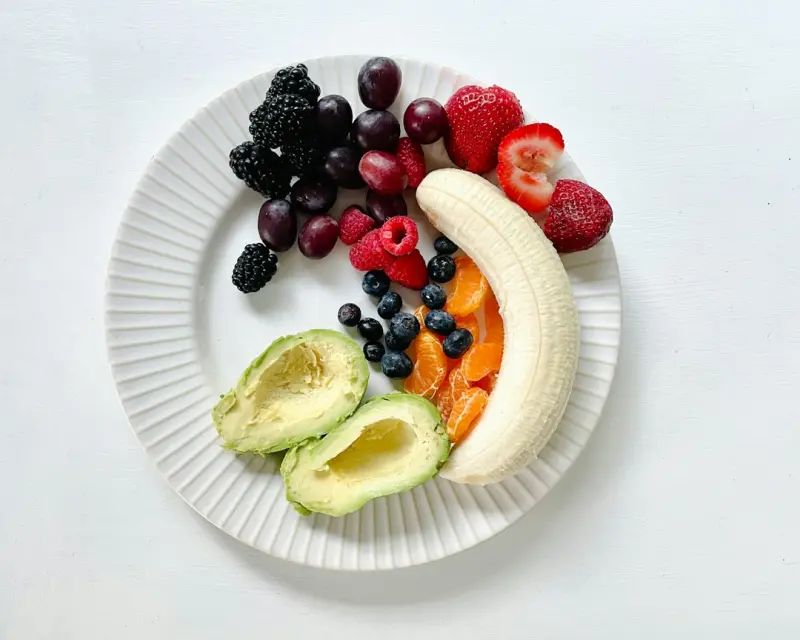
Seasonal Food Synergy: Aligning Your Plate with Nature’s Calendar for Better Health
Eating with the seasons provides a natural boost to immunity, mood, and energy. Learn practical tips... Read More

Nutrition and Overall Wellbeing: A Holistic Approach
Nutrition plays a critical role in maintaining overall wellbeing. Learn how a holistic approach to n... Read More

The Science of Nutrient Layering: Crafting Meals That Sharpen Focus and Boost Creativity
Learn the art of nutrient layering—stacking carbs, proteins, fats, and micronutrients in the right... Read More
Top Posts

Cycle Syncing for High‑Performing Women: Aligning Hormones, Energy, and Ambition
This article explores cycle syncing as a strategic tool for women in demanding careers, offering practical steps to align work, fitness, and nutrition with horm...Read More
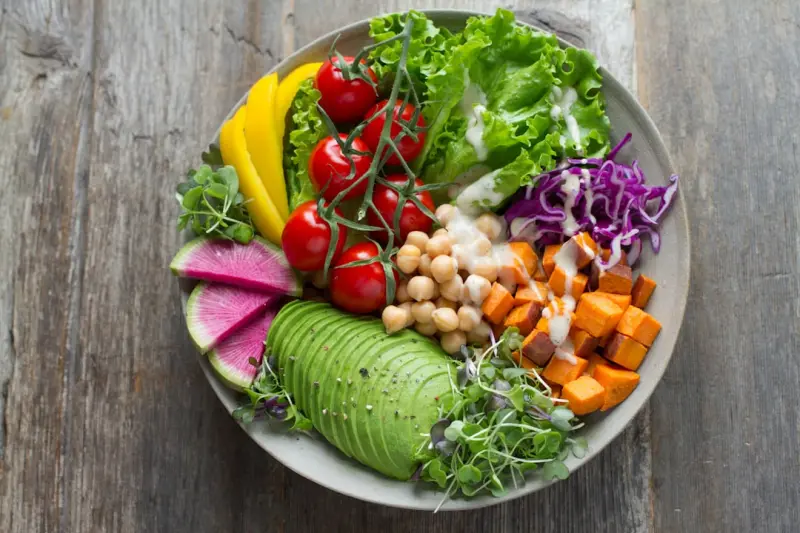
Chrononutrition: Mastering Meal Timing to Supercharge Executive Focus
Learn how strategic meal timing—chrononutrition—can enhance focus, sustain energy, and improve sleep for busy executives, with practical tips, a sample sche...Read More

Cloud Conversations: How Vaping Is Redefining Social Interaction in the Modern Office
A deep dive into how vaping is changing the way we connect at work, from casual cloud‑sharing to new norms around health, community, and policy....Read More

Why Your Baby’s First Soundtrack Matters More Than You Think
Discover the science behind infant auditory development, why natural rhythms, music, and language exposure matter, and actionable steps to create a calming soun...Read More
0 Comments
Post Comment
You will need to Login or Register to comment on this post!