

The Rise of the Vape‑Powered Office
Over the past few years, the sleek silhouette of a vape device has become as common on office desks as a coffee mug. What began as a niche trend among tech start‑ups has seeped into boardrooms, co‑working spaces, and even remote‑home offices. The appeal is obvious: a discreet puff, a burst of flavor, and a nicotine hit that promises a quick jolt of alertness without the lingering smell of traditional tobacco. But beneath the glossy marketing and the swirling clouds lies a set of dynamics that many professionals barely notice—until the performance metrics start to shift.
Neurochemical Nuances: Nicotine and Attention
Nicotine, the primary active compound in most e‑liquids, is a potent stimulant for the brain’s reward pathways. When inhaled, it rapidly crosses the blood‑brain barrier and binds to nicotinic acetylcholine receptors, prompting a cascade of dopamine, norepinephrine, and acetylcholine release. The result? A temporary boost in alertness, faster reaction times, and a sharpened ability to filter out distractions.
While a short‑term lift can feel like a productivity miracle, the reality is more nuanced. The brain quickly adapts, building tolerance that necessitates higher doses to achieve the same effect. This titration loop can evolve into a subtle dependency, where the absence of a vape break translates into perceived sluggishness or irritability.
Research on nicotine’s impact on cognition shows a dose‑response curve that peaks at low to moderate levels. Exceed that, and you may encounter jitteriness, anxiety, or diminished fine‑motor control—outcomes that are the antithesis of workplace efficiency.
Social Signals and the Cloud
Beyond the biochemical, vaping carries a powerful social signal. In many modern workplaces, a shared vape break can function as an informal networking ritual. The act of gathering around a charging station, swapping flavor recommendations, and discussing the latest device upgrades creates micro‑communities that can enhance camaraderie and foster collaboration.
However, this same ritual can also reinforce exclusion. Employees who don’t vape—by choice or health necessity—may find themselves on the periphery of these spontaneous gatherings. The result is a subtle division that mirrors the old coffee‑break cliques of previous generations.
Moreover, the vapor itself can influence the physical environment. Though e‑cigarette vapor dissipates quickly, the lingering scent of sweet or menthol flavors can affect colleagues with sensitivities, potentially creating discomfort or even mild respiratory irritation.
Beyond the Buzz: Health Trade‑offs
While vaping eliminates many of the tar‑related hazards of combustible cigarettes, it is not without its own risk profile. The aerosol contains propylene glycol, vegetable glycerin, flavoring agents, and trace amounts of heavy metals from the heating coil. Long‑term inhalation may contribute to airway irritation, reduced lung function, and an elevated propensity for chronic cough.
For employees who already manage health conditions—such as asthma, chronic sinus issues, or cardiovascular concerns—the added burden of regular vapor exposure can exacerbate symptoms. Even for the ostensibly “healthy” demographic, the cumulative effect of daily nicotine spikes can strain the heart, potentially raising blood pressure subtly over time.
Integrating health considerations into workplace policy requires a balanced approach. Rather than imposing a blanket ban, many forward‑thinking organizations are exploring designated vape zones, providing resources for nicotine replacement, and encouraging open dialogue about personal health choices.
Practical Playbook for Managers and Employees
To navigate the complex landscape of vaping in the modern office, consider the following actionable steps:
- Assess the Culture: Conduct an anonymous survey to gauge how many staff members vape, their motivations, and any perceived impact on teamwork.
- Establish Clear Guidelines: Define where vaping is permissible, taking into account ventilation, proximity to shared equipment, and the comfort of non‑vaping colleagues.
- Offer Alternatives: Provide access to nicotine patches, gum, or lozenges for those who wish to taper down their usage without sacrificing focus.
- Promote Education: Share resources about the neurochemical effects of nicotine, emphasizing the importance of moderation and the risks of tolerance buildup.
- Leverage Environmental Tweaks: Optimize office airflow and consider optimizing your environment to reduce any lingering vapor residues.
- Encourage Inclusive Breaks: Rotate break activities—such as short walks, stretching sessions, or mindfulness minutes—to ensure all team members have opportunities to connect.
- Monitor Performance Metrics: Track productivity trends alongside vaping prevalence to identify any correlation that may warrant policy adjustments.
Leveraging Subtle Physiological Cues
For those who choose to vape, recognizing the body's feedback loops can be empowering. Simple self‑monitoring—like noting moments of heightened irritability or a dip in concentration after a vape session—helps users calibrate their intake. By treating each puff as data, individuals can make more informed decisions about when and how much to vape, rather than falling into an unconscious habit.
This approach mirrors the principles outlined in leveraging subtle physiological cues, where everyday sensations become actionable insights. Though the original framework focuses on cardiovascular health, the underlying methodology—mindful observation paired with intentional adjustment—translates seamlessly to nicotine management.
Dietary Allies for Nicotine Management
When attempting to curb dependence, nutrition can play a supportive role. Certain foods contain compounds that may mitigate cravings or support lung health. For instance, foods rich in vitamin C and antioxidants—such as citrus fruits, berries, and leafy greens—can help combat oxidative stress induced by vapor inhalation.
Exploring broader nutritional strategies can be valuable. A recent deep dive into dietary allies for nicotine withdrawal highlighted the benefits of probiotic‑rich foods in stabilizing mood and reducing stress, offering a complementary avenue for those seeking to reduce vape reliance.
Looking Ahead: Policy, Innovation, and Culture
The trajectory of vaping in professional settings is still being written. As device technology evolves—introducing temperature control, nicotine‑free formulations, and even smart puff‑tracking—organizations will need to stay agile.
Key considerations for the future include:
- Data‑Driven Policies: Leveraging anonymized usage data to refine vaping zones and understand its impact on productivity.
- Well‑Being Integration: Embedding vaping discussions within broader employee wellness programs, ensuring that mental health, stress management, and physical health are addressed holistically.
- Innovation Partnerships: Collaborating with manufacturers to develop low‑risk, flavor‑free alternatives that still deliver the desired cognitive boost without the sensory overload of sweet or menthol additives.
- Regulatory Landscape: Staying abreast of local and national regulations that may affect workplace vaping—ranging from age restrictions to indoor air quality standards.
Ultimately, the goal is not to demonize or glorify vaping but to understand its multifaceted role in the modern work ecosystem. By acknowledging both its potential benefits for focus and its hidden costs to health and inclusivity, leaders can craft policies that respect individual autonomy while safeguarding collective well‑being.
Conclusion: The Cloud as a Mirror
The rise of vaping in offices is more than a fleeting fad; it reflects broader shifts in how we seek quick performance fixes, how we bond over shared rituals, and how we negotiate personal freedom within communal spaces. By treating the vapor cloud not just as a visual cue but as a data point—one that intersects neurochemistry, social dynamics, and environmental health—we can turn a trendy habit into an informed choice.
Whether you’re a manager drafting the next iteration of your employee handbook, a developer who finds a mid‑coding vape essential, or an HR professional aiming to foster an inclusive culture, the conversation about vaping deserves a nuanced, evidence‑based approach. The cloud may be temporary, but the decisions we make around it can leave a lasting imprint on workplace culture, productivity, and health.

Related Posts
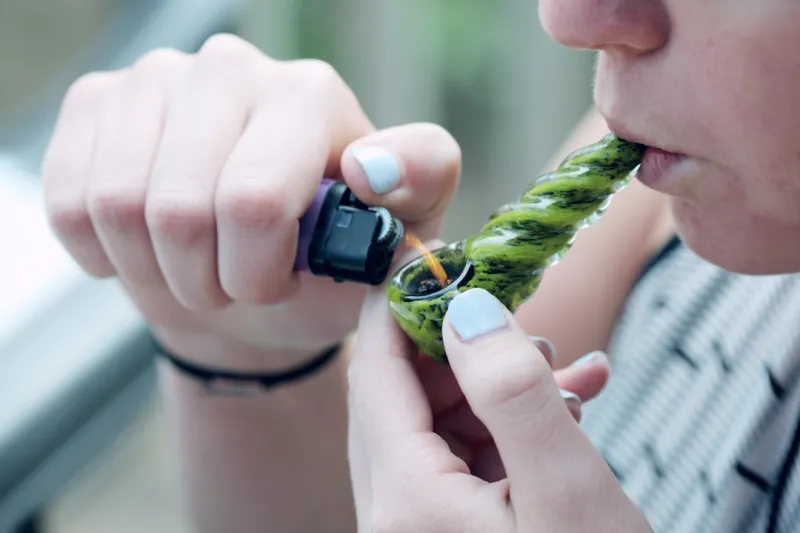
Finding Freedom from Vaping in 2026: A Holistic Journey to Whole‑Self Wellness
A personal, holistic guide to quitting vaping in 2026, combining nutrition, breath work, and communi... Read More
Rethinking Nicotine: A High‑Performance Playbook for Smokes and Vapes
A data‑driven guide shows how high‑performers can integrate nicotine into a strategic productivi... Read More

When Clouds Talk: Decoding the Social Language of Vaping
Vaping isn’t just a habit; it’s a social language. From flavor choices to device aesthetics, dis... Read More
Top Posts

Navigating Autoimmune Disease: A Holistic Path to Empowerment
A personal journey reveals how diet, sleep, mindful movement, and community support empower those living with autoimmune disease to thrive....Read More

The Quiet Power of Rhythm: Syncing Your Body Clock to Stabilize Blood Sugar
Learn to manage blood sugar by syncing meals, movement, and breathwork with your body’s natural clock, using wearable data and simple daily rituals for lastin...Read More

The Complex Relationship Between Eating Disorders and Holistic Wellness
Eating disorders are complex mental health conditions that require a comprehensive approach to treatment. Learn how holistic wellness practices can support reco...Read More

Why Nightmares Matter More Than You Think
Sleep terrors are the dark underbelly of the night that most high‑performance professionals brush off as “just bad dreams.” In reality, they are neuro‑c...Read More
0 Comments
Post Comment
You will need to Login or Register to comment on this post!