
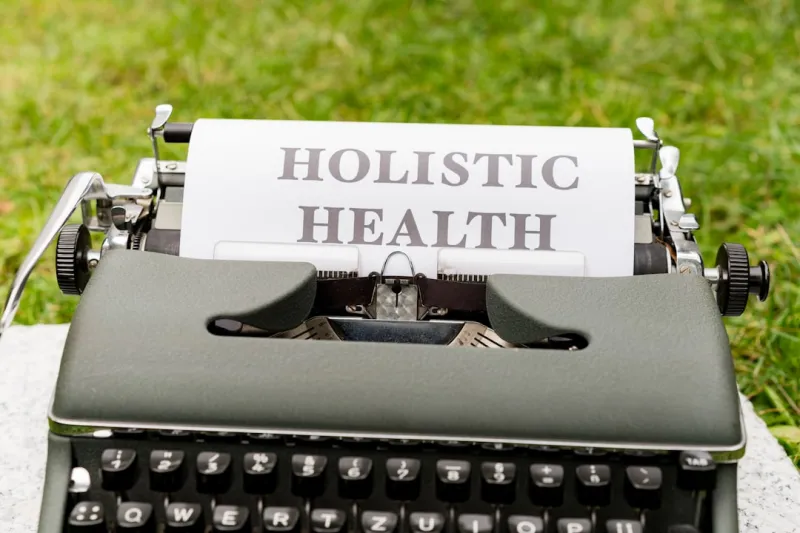
Understanding the Modern Autoimmune Landscape
Autoimmune disease has stepped into the mainstream conversation, no longer confined to niche forums, as research unveils the intricate dance between genetics, environment, and lifestyle. In the past decade, prevalence rates have surged, prompting clinicians to rethink diagnostics and patients to seek answers beyond prescription pills, often turning to holistic frameworks that address gut health, stress pathways, and circadian rhythms. This shift is more than a trend—it reflects a collective yearning for agency in a condition that can feel both invisible and overpowering.
My Personal Journey Through Uncertainty
When my body first whispered that something was amiss—persistent joint stiffness, unexplained fatigue, and a skin rash that refused to fade—I dismissed it as ordinary stress, until lab results confirmed a diagnosis of systemic lupus erythematosus. The revelation was both terrifying and liberating: terrifying because I now faced a lifelong companion, liberating because I finally had a name for the chaos that had been hijacking my daily life. I began chronicling my experiences, and in doing so I discovered that sharing vulnerability can become a catalyst for community‑driven healing.
Holistic Strategies That Changed My Outlook
One of the first pivots I made was to re‑evaluate my diet, embracing an anti‑inflammatory plan rich in omega‑3s, fermented foods, and low‑glycemic vegetables, which helped calm the gut‑immune axis that many studies now recognize as a cornerstone of autoimmune management. Complementing nutrition, I integrated mindful movement practices—such as yoga and tai chi—to nurture the parasympathetic nervous system, reduce cortisol spikes, and improve joint mobility, a synergy echoed in the growing body of research linking gentle exercise to symptom reduction. For deeper mental clarity, I turned to resources like Unlocking Peak Brain Health, discovering that cognitive resilience can be fortified through meditation, targeted micronutrients, and regular sleep hygiene.
Sleep: The Silent Pillar of Autoimmune Health
Sleep emerged as a silent yet powerful ally; nights of fragmented rest amplified inflammation, while consistent, restorative sleep acted like a natural immunomodulator, resetting the body's cytokine balance. I experimented with a bedtime ritual that combined dim lighting, a short gratitude journal, and a magnesium‑rich tea, gradually reclaiming the deep REM cycles that my body desperately needed. The journey reminded me of another personal narrative I shared in Breaking the Night, where I documented the step‑by‑step process of repairing my sleep architecture—a practice now indispensable for anyone battling autoimmune flare‑ups.
Mind‑Body Connection: From Stress to Strength
Stress is more than an emotional state; it is a biochemical trigger that can exacerbate autoimmunity by spiking adrenaline and promoting pro‑inflammatory pathways. By adopting mindfulness meditation and breathwork, I learned to intercept the stress response before it could cascade into a full‑blown flare, a technique that aligns with findings from recent psychoneuroimmunology studies. The practice also dovetails with the philosophy behind Mindful Movement, where the fusion of physical activity and present‑moment awareness creates a protective buffer against hormonal turbulence.
Community Support and the Power of Shared Stories
Living with an autoimmune condition can feel isolating, yet the rise of digital support groups has forged a global tapestry of shared experiences, practical tips, and emotional validation. I regularly participate in online forums where members swap recipe modifications, track symptom patterns, and celebrate small victories, reinforcing the notion that collective wisdom often outpaces isolated medical advice. These communities have also become incubators for innovative coping strategies, ranging from personalized supplementation regimens to creative arts therapies that nurture the soul while soothing the immune system.
Emerging Therapies on the Horizon
Beyond lifestyle adjustments, the biomedical field is buzzing with promising therapies such as microbiome transplants, targeted biologics, and epigenetic modulators that aim to recalibrate the immune system without broad immunosuppression. Early‑phase clinical trials suggest that restoring a balanced gut flora can diminish auto‑reactive T‑cell activity, offering hope for a future where diet and medicine converge seamlessly. While these advances are exciting, I remain cautiously optimistic, recognizing that true progress will require integration of cutting‑edge science with the timeless principles of holistic care.
Balancing Professional Life and Health Management
Maintaining a career while navigating unpredictable flare‑ups demands strategic planning, transparent communication with employers, and flexible work arrangements that honor physical limits without compromising ambition. I adopted a “peak‑performance window” approach, scheduling cognitively demanding tasks during my energy highs and reserving low‑stress periods for administrative duties, a rhythm that has increased productivity while minimizing burnout. This adaptive workflow mirrors the broader shift toward personalized work environments, where health considerations are no longer peripheral but central to sustainable success.
Looking Ahead: A Call to Action for the Autoimmune Community
As awareness of autoimmune disease continues to rise, we must advocate for comprehensive insurance coverage, increased funding for integrative research, and educational curricula that empower patients to become co‑creators of their treatment plans. By sharing our narratives, supporting one another, and demanding evidence‑based holistic options, we can reshape the healthcare landscape into one that respects both the science and the lived experience of each individual. The future belongs to those who blend curiosity, compassion, and courage in the face of chronic uncertainty.
Final Reflections on Resilience and Hope
Living with autoimmunity is an ongoing dialogue between body and mind, a reminder that health is a dynamic equilibrium rather than a static destination. My journey has taught me that resilience is cultivated through daily choices—nourishing foods, mindful breaths, restorative sleep, and supportive connections—that collectively tip the scales toward stability. I invite every reader to embrace their own path with patience and optimism, trusting that each mindful step brings us closer to a world where autoimmune disease is managed with wisdom, grace, and shared humanity.

Lifan Chen is a freelancer based in Toronto specializing in marketing. With expertise in crafting effective marketing strategies and campaigns, Lifan helps businesses grow their brand presence and reach target audiences. As a Toronto-based freelancer, Lifan combines local market insights with creative marketing skills to deliver tailored solutions for clients.
Related Posts
Conducting Your Autoimmune Health: The Power of Everyday Choices
A deep dive into how everyday habits—nutrition, sleep, stress handling, community, and technologyâ... Read More

Navigating Autoimmune Disease: A Holistic Roadmap to Everyday Resilience
A personal, holistic guide to managing autoimmune disease through gut health, mindful movement, rest... Read More
Invisible Triggers: Mapping Your Environment to Tame Autoimmune Flares
Learn how indoor air, chemicals, light, and mold can fuel autoimmune flare‑ups and get a simple th... Read More
Top Posts

Breathing Easy at Work: Turning Sleep Apnea Into a Competitive Edge
Untreated sleep apnea silently erodes focus, decision‑making, and creativity. This article reveals the hidden costs and offers a data‑driven, wearable‑ena...Read More

Rewiring Your Day: Practical Ways to Keep Blood Sugar Stable
Kelly shares her personal journey and data‑driven tactics, including stress‑reduction, laughter, gut microbiome support, meal timing, and simple movement, t...Read More

Unlocking Sustainable Muscle Growth: A Holistic Approach
Learn how to combine progressive overload, smart nutrition, quality sleep, and mental resilience into a holistic plan that fuels sustainable muscle growth and a...Read More

Your Desk as a Physiotherapy Hub: Turning Everyday Work into Movement‑Based Healing
Learn to convert your office chair into a low‑intensity physiotherapy station using movement micro‑breaks, digital posture feedback, and wearable cues, boos...Read More
0 Comments
Post Comment
You will need to Login or Register to comment on this post!