
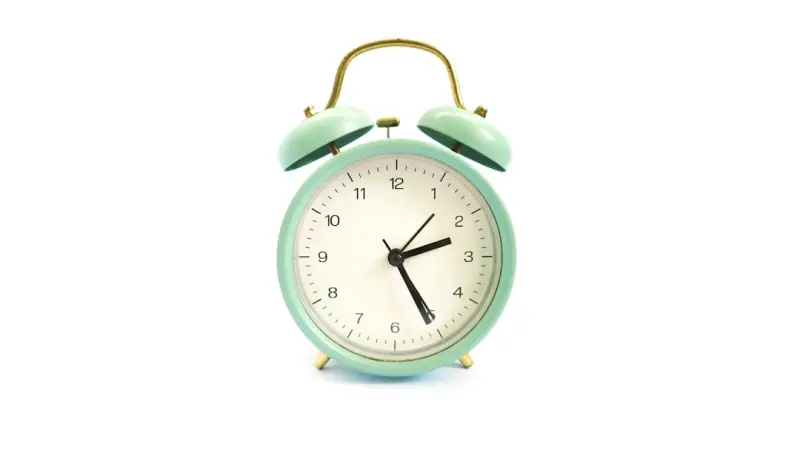
Insomnia feels like an unwanted guest that shows up uninvited, sifts through the quiet, and refuses to leave. Most of us have experienced those nights when the mind spins faster than a centrifuge, and the bedroom becomes a conference room for every lingering worry. Rather than viewing the sleepless hours as a flaw, I’ve started treating them as a laboratory—a place to experiment, observe, and even harvest unexpected insights. Below is my evolving playbook for turning the restless night into a strategic advantage.
Mapping the Night: From Mystery to Measurable
The first step is to stop treating insomnia as an abstract nuisance and start recording it like any other metric. I use a simple spreadsheet (or a habit‑tracking app) to note:
- Sleep onset latency – how many minutes it takes to drift off.
- Wake‑after‑sleep episodes – any mid‑night awakenings.
- Environmental variables – light exposure, room temperature, caffeine intake, and screen time.
- Emotional temperature – a quick 1‑10 rating of stress or excitement before bed.
When you can see patterns, the night stops feeling like a random adversary and becomes a dataset you can query. Over a few weeks I discovered that a late‑afternoon espresso and a bright phone screen were the biggest culprits, not the “racing thoughts” I’d blamed for years.
Light, Darkness, and the Brain’s Internal Clock
Our circadian rhythm is a master conductor, and light is the baton. The modern world floods us with blue wavelengths well past sunset, essentially telling our brains, “Stay alert!” To counteract this, I’ve instituted a “sunset protocol”:
- Dim the lights an hour before bedtime – swap harsh LEDs for amber bulbs.
- Blue‑light filter on all devices – most smartphones have a “night mode” that shifts colors toward red.
- Morning sunlight – a 10‑minute walk outside within the first hour of waking resets the clock.
These small adjustments have shaved 15‑20 minutes off my sleep latency, and the extra rest of those nights has become a bonus rather than a goal.
Re‑imagining the Bedroom as a Sensory Lab
We spend hours curating our workspaces for productivity; why not do the same for our sleep environment? The designing a sensory sleep sanctuary concept borrows from that idea. Think of temperature, sound, and tactile comfort as variables you can tweak:
- Temperature: Aim for 65‑68°F (18‑20°C). A smart thermostat that gradually cools the room after you’re in bed can be a game‑changer.
- Sound: White noise machines, gentle rain playlists, or even a fan can mask disruptive noises. Experiment with volume and frequency until you find the “sweet spot.”
- Texture: Upgrade to breathable linens and a mattress that supports your preferred sleeping position. A simple change from polyester sheets to cotton can improve skin temperature regulation.
Each night, I jot down which combination I used and how it felt. Over time, the bedroom becomes a custom‑built platform for deep rest—or, on those unavoidable restless nights, a space that minimizes irritation.
Leveraging the Awake Hours for Creative Work
There’s a long‑standing myth that insomnia is purely detrimental, but many artists, writers, and scientists have claimed that the quiet hours spark ideas. I’ve begun to harness this by setting a low‑stakes “night‑time project”:
- Idea capture: Keep a small notebook or a voice memo app on the nightstand. Jot down any thoughts that surface, no matter how fragmented.
- Micro‑tasks: Identify quick, non‑stressful tasks you can complete (e.g., organizing a digital folder, sketching a diagram). This satisfies the brain’s need for productivity without the pressure of major decisions.
- Learning bites: Use the quiet to explore a short article or a video on a topic you’re curious about. The curiosity engine shows that feeding the brain with novel information can improve mood and, paradoxically, promote sleep later.
By assigning purpose to the insomnia episode, the night loses its feeling of wasted time. Even if you don’t solve a problem, the act of engaging your mind in a gentle, purposeful way can ease the transition back to sleep.
The Role of Nutrition in Nighttime Wakefulness
What we eat—especially in the hours before bed—can either fuel a calm night or ignite a restless one. Here are three nutritional tweaks that have helped me:
- Limit sugar and refined carbs after dinner. These cause a spike in blood glucose, followed by a crash that can trigger early‑morning awakenings.
- Include magnesium‑rich foods like almonds, pumpkin seeds, or a small serving of leafy greens. Magnesium supports the GABA system, which promotes relaxation.
- Try a light protein snack (e.g., Greek yogurt or a slice of turkey) if you’re hungry. Protein steadies blood sugar and can reduce the urge to check the fridge at 2 a.m.
Pair these with a cup of herbal tea—chamomile, valerian, or lemon balm—to create a ritual that signals the brain it’s time to wind down.
Mindful Unwinding Techniques That Don’t Feel Like “Work”
Traditional meditation can feel like an added task when you’re already exhausted. Instead, I practice “micro‑mindfulness”: short, 30‑second pauses where I focus on my breath or the sensation of my feet on the floor. This brief reset lowers cortisol without demanding the commitment of a full‑length session.
Another favorite is the “body scan” in reverse: start at the toes and mentally “release” tension as you move upward. Because you’re already lying down, it feels like a natural extension of the bedtime routine rather than an extra step.
When to Seek Professional Insight
While many insomnia episodes are manageable with lifestyle tweaks, persistent difficulty falling or staying asleep for more than a month may warrant professional evaluation. A sleep specialist can rule out underlying conditions (such as restless leg syndrome or hormonal imbalances) and may recommend cognitive‑behavioral therapy for insomnia (CBT‑I), which has a strong evidence base.
Building a Personal Insomnia Playbook
Below is a template you can adapt to your own needs. Fill it out each night and review it weekly to spot trends.
| Variable | Entry |
|---|---|
| Time into bed | |
| Lights off | |
| Screen exposure (minutes) | |
| Caffeine after 12 p.m. | Yes/No |
| Evening meals (protein, carbs, magnesium) | |
| Temperature setting | |
| Sound environment | |
| Stress rating (1‑10) | |
| Night‑time activity (reading, note‑taking, etc.) | |
| Wake‑after‑sleep episodes | |
| Total sleep time (approx.) |
Over time this playbook becomes a personal “insomnia handbook,” guiding you toward the conditions that foster restful sleep—or, on rare nights, turning the wakeful period into a productive, low‑stress session.
Final Thoughts: Embracing the Night as a Partner, Not an Enemy
Insomnia is rarely a permanent state; it’s a signal that something in our routine, environment, or mindset needs attention. By shifting perspective—from a problem to a data point, from a failure to an experiment—you empower yourself to respond with curiosity rather than frustration. The next time the clock ticks past 2 a.m., instead of scrolling endlessly, consider pulling out your notebook, adjusting your room’s lighting, or simply noting the day’s stressors. You might discover that the night, once an adversary, can become a hidden ally in creativity, self‑knowledge, and ultimately, better sleep.

Becky Putman is an Ottawa-based freelance writer and marketing professional with a passion for storytelling, animals, and community involvement. She enjoys creating engaging content that informs, inspires, and connects with readers.
Related Posts

The Sleep Epidemic: Unraveling the Mysteries of Insomnia
Insomnia affects millions of people worldwide, causing fatigue, mood disturbances, and increased ris... Read More
When the Clock Stops: Turning Midnight Restlessness into a Design Advantage
Insomnia can be a hidden source of insight. By decoding its physiological signals, leveraging nightâ... Read More

Rewiring the Night: A Holistic Playbook for Persistent Insomnia
A comprehensive, step‑by‑step guide that blends sleep hygiene, nutrition, grounding, and cogniti... Read More
Top Posts
Neurotraining for the Modern Professional: Turning Your Brain Into a Muscle
Treat your brain like a muscle with a structured neurotraining program. Learn progressive overload, targeted cognitive lifts, high‑intensity brain sprints, an...Read More

Micro‑Habits to Master Blood Sugar Without Relying on Diet Trends
Learn how tiny daily actions—like strategic hydration, sensory cues, and cold exposure—can keep your blood sugar steady, empowering you to stay energized wi...Read More
Designing Workspaces to Defeat Prediabetes
Discover how the physical and digital design of your workplace impacts prediabetes risk and get actionable steps— from lighting upgrades to active seating and...Read More

Invisible Triggers: Mapping Your Environment to Tame Autoimmune Flares
Learn how indoor air, chemicals, light, and mold can fuel autoimmune flare‑ups and get a simple three‑day home audit to turn your living space into a suppor...Read More
0 Comments
Post Comment
You will need to Login or Register to comment on this post!