
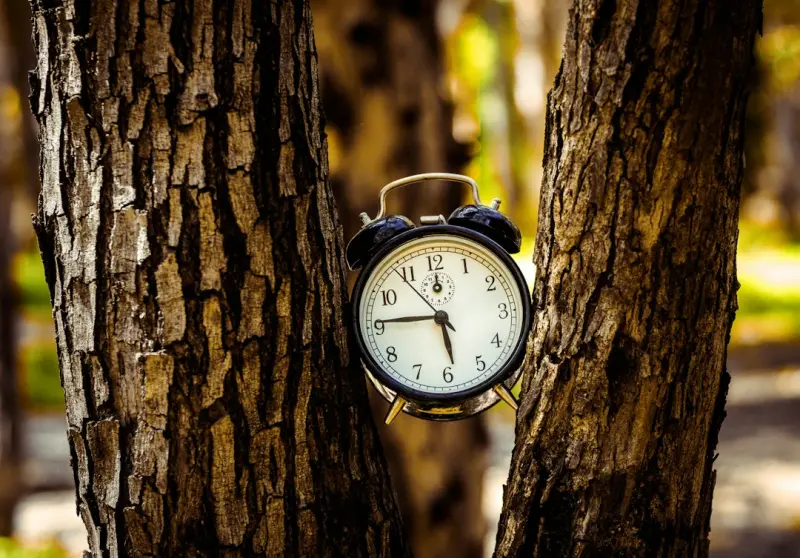
When the Clock Stops: Turning Midnight Restlessness into a Design Advantage
Insomnia is often painted as a personal tragedy—a nightly battle that drains energy, clouds judgment, and erodes morale. For most, the narrative ends with a desperate search for a pill, a soothing playlist, or a meditation app. I’ve been there, too, staring at the ceiling while the rest of the world drifts into oblivion. Yet, after years of living on the edge of darkness, I began to see insomnia not just as an obstacle but as a raw data stream—one that, if decoded, can reshape how we design workspaces, products, and even organizational culture.
In this piece, I’ll walk you through the hidden opportunities that arise when the mind refuses to shut down. We’ll explore three interlocking lenses:
- The physiological feedback loop: how chronic wakefulness rewires hormone signaling and what that tells us about optimal performance zones.
- The cognitive side‑channel: why the brain, when unmoored from sleep, generates a distinct brand of insight that traditional brainstorming can’t match.
- The environmental catalyst: how the physical and digital environment can be retrofitted to harness night‑time alertness rather than fight it.
By the end, you’ll have a practical framework to turn those restless hours into a strategic resource for yourself, your team, and your organization.
The Physiology of a Night Owl: What Your Body Is Really Saying
When the body’s internal clock—our circadian rhythm—gets out of sync, a cascade of hormones begins to dance to a new beat. Cortisol, the “stress” hormone, often spikes in the early morning for insomniacs, while melatonin, the sleep‑inducing hormone, lags behind. This hormonal swing isn’t just a nuisance; it’s a signal that the body is primed for heightened alertness, a state evolutionarily designed for vigilance in the dark.
What does this mean for the modern professional? If you can identify the window when cortisol peaks and melatonin is still low, you have a natural high‑energy slot that can be deliberately allocated to tasks demanding analytical rigor. In practice, this could look like scheduling deep‑work sessions—financial modeling, code debugging, strategic forecasting—between 2 a.m. and 5 a.m. rather than forcing a late‑night caffeine binge.
But the story doesn’t stop at cortisol. Research shows that low‑grade inflammation often accompanies sleep deprivation, nudging the immune system to release cytokines that affect mood and cognition. By pairing these physiological cues with real‑time biometric data—think wearable skin temperature monitors or heart‑rate variability trackers—you can create a feedback loop that tells you exactly when your brain is in “creative overdrive” versus “fatigued haze.” This is the same kind of data‑driven insight that fuels the ideas in Turning Blood Sugar Into a Strategic Asset for High‑Performers, but applied to sleep physiology.
The Cognitive Side‑Channel: Night‑Time Thought Experiments
The human brain is a master of pattern recognition. When the external world quiets down, the brain’s default mode network (DMN) becomes more active, stitching together seemingly unrelated memories, ideas, and emotions. This is why many writers and artists describe “the best ideas” arriving at 3 a.m. For insomniacs, the DMN stays lit longer, creating a prolonged incubation period for novel concepts.
To harness this, I’ve adopted a simple ritual: a “night‑note” notebook that lives beside the bed. As soon as a thought surfaces—whether it’s a flash of a new product feature, a puzzling client problem, or a stray metaphor—I jot it down. The act of externalizing the thought prevents it from evaporating in the morning fog and gives you a searchable archive of nocturnal insights.
Beyond personal note‑taking, there’s a collaborative angle. Teams can set up a shared, time‑stamped document (like a digital whiteboard) where members log their night‑time ideas. The asynchronous nature of these contributions sidesteps the usual “meeting fatigue” and lets the organization tap into a pool of ideas that would otherwise be lost. This approach aligns nicely with the principles in Rewriting the Inner Narrative: A Tactical Guide to Mental Fitness for High‑Achievers, where mental discipline is turned into a competitive lever.
Designing Environments That Respect the Night‑Shift Brain
Most workplaces are built around a 9‑to‑5 rhythm: bright lighting, open‑plan chatter, and constant notifications. For someone whose internal clock runs on a later schedule, this environment feels like a perpetual misfire. The solution isn’t to force the body back into the mainstream; it’s to redesign the workspace to accommodate multiple circadian profiles.
Consider the following interventions:
- Dynamic lighting: Install tunable LEDs that shift from cool, blue‑rich tones in the early evening to warm, amber hues during late‑night hours. This mimics natural light progression and helps regulate melatonin production without fully suppressing alertness.
- Quiet pods with acoustic dampening: Provide sound‑proofed micro‑rooms where night‑shift thinkers can dive deep without competing with daytime chatter. Think of these as “thought vaults” where the brain can safely experiment.
- Digital “sleep‑aware” workflows: Integrate calendar tools that recognize an individual’s sleep profile and suggest optimal times for high‑cognition tasks, automatically rescheduling low‑priority meetings during their natural lull.
- Nutrition stations for the nocturnal mind: Offer low‑glycemic snacks that stabilize blood sugar, preventing the jittery spikes that many insomniacs experience when they reach for sugary fixes. A small, curated selection of fermented nuts or dark chocolate can sustain focus without the crash.
These design tweaks not only improve the experience of those who struggle to fall asleep, they also boost overall productivity by aligning work rhythms with physiological realities. When the environment respects the body’s natural signals, the organization benefits from a workforce that feels seen, heard, and empowered.
Turning Restlessness Into a Measurable Asset
So far we’ve discussed the raw data, the mental goldmine, and the environmental levers. The final piece of the puzzle is turning all of this into a quantifiable asset that can be reported to leadership. Here’s a simple framework:
- Capture: Use wearables or smartphone apps to log sleep latency, heart‑rate variability, and ambient light exposure. Pair this with manual logs of night‑time ideas and tasks completed.
- Analyze: Apply basic statistical models to identify correlations—e.g., “When HRV is above X, idea generation increases by Y%.”
- Act: Adjust scheduling, lighting, and snack offerings based on the insights. Communicate the changes as “Evidence‑Based Night‑Shift Optimization.”
- Report: Create a quarterly “Restfulness Dashboard” that showcases metrics such as “Ideas per Night‑Shift Hour” and “Task Completion Rate during Peak Cortisol Window.”
When you present insomnia as a data point rather than a personal flaw, you shift the narrative from stigma to strategic advantage. Executives love numbers, and a well‑crafted dashboard can turn what once felt like a personal burden into a company‑wide lever for innovation.
Practical Steps to Get Started Tonight
Ready to experiment? Here’s a starter kit you can implement this week:
- Set up a sleep‑trackable device: Even a basic smartwatch can give you a snapshot of sleep latency and HRV.
- Launch a night‑note habit: Keep a small notebook or a notes app on your nightstand. Write down any stray thoughts within five minutes of waking.
- Adjust your lighting: Switch to a warm lamp after sunset and keep a cool‑light desk lamp for late‑night work.
- Schedule one deep‑work block: Identify your personal cortisol peak (often 2–4 a.m. for insomniacs) and block that time for a high‑impact task.
- Share the experiment: Invite a colleague to try the same routine and compare notes. Collective data builds momentum.
These low‑friction actions can quickly surface patterns. Within a few days you’ll start to see whether your brain is producing more actionable ideas, if your focus improves, or if you simply feel less frustrated by the restless nights.
Conclusion: Redefining the Narrative Around Insomnia
Insomnia is rarely a choice, but how we respond to it is. By treating sleeplessness as a source of physiological data, a catalyst for creative cognition, and a design problem to be solved, we shift from a deficit mindset to a growth mindset. The night‑shift brain isn’t broken; it’s operating on a different timetable, and that timetable can be mapped, measured, and leveraged.
When the clock stops, don’t hit the snooze button on potential. Instead, let the darkness illuminate new pathways for performance, innovation, and well‑being.

Related Posts

Turning Insomnia into a Nighttime Narrative: My Creative Sleep Ritual
I transformed restless nights into a soothing bedtime ritual by writing short stories, setting digit... Read More

When the Night Won’t Let You Sleep: Turning Wakefulness Into a Strategic Edge
Insomnia can be a hidden signal about your body and habits. This guide shows how to map triggers, le... Read More
When the Clock Won’t Stop Ticking: Turning Insomnia into a Nighttime Advantage
Learn how to reframe sleeplessness, craft a sensory sanctuary, use breathwork, and leverage data‑d... Read More
Top Posts

The Silent Saboteur: How Sleep Apnea Stifles Your Creative Flow
Sleep apnea does more than disrupt breathing; it chips away at the brain’s ability to generate and refine ideas. Discover the science behind this hidden creat...Read More

Detox Your Home, Detox Your Body: A Practical Guide to Cleaner Living
A practical guide reveals how everyday toxins in air, water, and household surfaces sabotage your detox goals and offers actionable steps to create a healthier,...Read More

The Hidden Lever: Harnessing Neural Drive for Unstoppable Muscle Growth
This article reveals the overlooked power of neural drive, mind‑muscle connection, and strategic recovery, offering a fresh, brain‑first approach to buildin...Read More
Unlocking a Modern Man’s Health Blueprint: Strength, Hormones, and Sustainable Habits
A fresh, evidence‑based roadmap for men focusing on hormone health, functional strength, sleep optimization, stress resilience, and smart tech, turning daily ...Read More
0 Comments
Post Comment
You will need to Login or Register to comment on this post!