
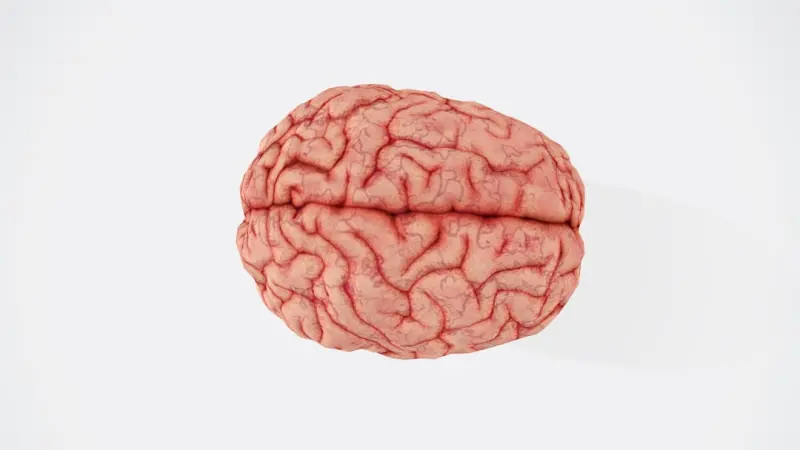
Neurotraining for the Modern Professional: Turning Your Brain Into a Muscle
When I first stepped into a boardroom at age 28, my mind felt like a high‑performance engine—fast, responsive, and ready to tackle any strategic puzzle. A few years later, after juggling multiple product launches, remote‑first meetings, and a growing family, I noticed something subtle but unmistakable: the once‑sharp edges of my cognition were blunting. I could still lead, but my mental stamina was waning, my creative flow stalled, and I found myself reaching for coffee more often than I’d like to admit.
That realization sparked a personal experiment that has since reshaped my entire approach to work and life. I began treating my brain the way I treat any other muscle: with deliberate, progressive overload, targeted exercises, and recovery protocols. The result? A revitalized sense of focus, quicker problem‑solving, and a resilience that carries me through the inevitable peaks and valleys of a high‑tempo career.
In this post, I’m sharing the framework I’ve built—Neurotraining—and how you can apply it today, no matter how packed your schedule. Think of it as a workout plan for your gray matter, complete with warm‑ups, strength circuits, cardio intervals, and cool‑downs.
The Science Behind Neurotraining
The brain is not a static organ; it’s remarkably plastic. Neuroplasticity—the ability of neural pathways to reorganize and strengthen in response to experience—underpins everything from learning a new language to recovering from injury. While we often hear about “brain games” or “memory apps,” the underlying principle is the same: challenge the brain, and it will adapt.
Three key mechanisms drive this adaptation:
- Synaptic potentiation: Repeated activation of a neural circuit strengthens the connections between neurons, making future activation more efficient.
- Myelination: Practice leads to the formation of myelin sheaths around axons, speeding up signal transmission.
- Neurogenesis: In certain brain regions, especially the hippocampus, new neurons can be generated, supporting memory and mood regulation.
By designing activities that target these processes, you can systematically boost cognitive performance—just as weightlifting stimulates muscle fibers to grow stronger.
Why Traditional Brain‑Boost Strategies Fall Short
Most corporate wellness programs focus on surface‑level tactics: occasional meditation sessions, one‑off webinars about nutrition, or a microbreak schedule that feels more like a checklist than a habit. While helpful, these interventions often lack two crucial components:
- Progressive overload: The brain needs increasing challenges, not static “dose‑and‑forget” activities.
- Specificity: Just as a runner won’t improve sprint speed by only running marathons, a general “stay curious” mantra won’t enhance executive decision‑making unless you train the exact mental muscles you use at work.
Neurotraining bridges this gap by providing a structured, escalating program tailored to the cognitive demands of modern professionals.
Designing Your Neurotraining Program
Below is a five‑phase framework you can adopt. Each phase lasts four weeks, but feel free to adjust based on your schedule and progress.
Phase 1: Warm‑Up – Sensory Enrichment
Before you can lift mental “weights,” you need to prime the brain’s sensory pathways. This phase focuses on novelty and sensory variety, which kick‑starts dopamine release—a key neurotransmitter for motivation and learning.
- Daily Novelty Dose: Spend 10 minutes each day engaging with something entirely new—listen to a genre of music you’ve never explored, try a new cooking technique, or read a short article outside your industry.
- Multi‑Sensory Journaling: Write about a recent experience, but incorporate all five senses. This practice reinforces neural networks associated with memory encoding.
Research shows that even brief exposure to novel stimuli can boost brain‑derived neurotrophic factor (BDNF), a protein that supports neurogenesis.
Phase 2: Strength – Targeted Cognitive Lifts
Now that the brain is primed, it’s time to introduce “weights.” Choose activities that align with the mental skills you rely on daily—strategic planning, rapid decision‑making, or creative synthesis.
- Strategic Chess or Go: These games demand forward thinking and pattern recognition. Aim for 15‑minute sessions three times a week, gradually increasing complexity.
- Complex Problem‑Solving Drills: Use case studies or industry simulations that require you to outline a solution within a tight timeframe (e.g., 20 minutes). Treat each session as a set, tracking accuracy and speed.
- Creative Constraint Exercises: Pick a familiar problem and solve it using a random constraint—like “solve it using only three words” or “draw the solution instead of writing.” This forces the brain to forge new pathways.
Track your performance in a simple spreadsheet: note the task, duration, difficulty level, and a subjective difficulty rating. Over weeks, you’ll see measurable improvements—much like logging bench‑press reps.
Phase 3: Cardio – High‑Intensity Cognitive Intervals
Just as cardio improves blood flow and endurance, high‑intensity cognitive intervals boost mental stamina and processing speed. This phase borrows from movement‑based creativity research and applies it to pure mental work.
- Pomodoro‑Style Brain Sprints: Set a timer for 90 seconds of focused, uninterrupted thinking on a specific question (e.g., “What are three ways to improve our onboarding flow?”). Follow with a 30‑second rest. Repeat 8‑10 cycles.
- Speed‑Reading Blitz: Choose a dense article and read as quickly as possible while retaining key points. Use a highlighter to mark the top three takeaways.
- Rapid Ideation Rounds: With a timer, generate as many ideas as possible for a given prompt. The goal is quantity; refinement comes later.
These bursts increase cerebral blood flow, elevate oxygenation, and promote the release of catecholamines, which sharpen focus.
Phase 4: Cool‑Down – Reflective Recovery
Recovery is where the brain consolidates learning. Skipping this step is akin to never stretching after a workout—over time, you risk burnout.
- End‑of‑Day Brain Dump: Spend 5 minutes writing down everything that occupied your mind. This off‑loads working memory, freeing space for deeper processing overnight.
- Mindful Walking: Take a 10‑minute walk without devices, focusing on breath and surroundings. This low‑intensity activity supports the default mode network, critical for memory integration.
- Sleep Hygiene Upgrade: Aim for a consistent bedtime, limit blue‑light exposure an hour before sleep, and consider a short (<20 min) nap if you’re sleep‑deprived. Quality sleep is when the brain performs its most essential “maintenance” work.
Phase 5: Integration – Translating Gains to Real‑World Performance
Finally, bring the neurotraining benefits back to the boardroom.
- Pre‑Meeting Warm‑Ups: Run a quick 2‑minute brain sprint on the meeting agenda to activate relevant neural pathways.
- Post‑Meeting Debrief: Use the brain dump technique to capture insights and action items while they’re still fresh.
- Quarterly Skill Review: Assess which cognitive “muscles” have improved and which need additional work. Adjust your neurotraining plan accordingly.
Tools and Resources to Accelerate Your Neurotraining
While the core program relies on low‑tech habits, certain tools can amplify results:
- Digital Distraction Blockers: Apps like Freedom or Focus@Will help you maintain the deep‑work windows needed for strength and cardio phases.
- Adaptive Learning Platforms: Services such as Lumosity or Elevate offer customized difficulty scaling, ensuring progressive overload.
- Wearable EEG Headsets: For the tech‑savvy, devices like Muse can provide real‑time feedback on focus levels during brain sprints.
Remember, tools are supplements, not substitutes. Consistency in the core habits matters far more than any gadget.
Case Study: My Own Neurotraining Journey
When I first implemented the program, my baseline metrics looked like this:
- Average time to generate three strategic options: 12 minutes
- Recall accuracy for meeting details after 24 hours: 68%
- Self‑rated mental fatigue after a full day: 7/10
After eight weeks of disciplined neurotraining, the numbers shifted dramatically:
- Strategic option generation time dropped to 7 minutes—a 42% improvement.
- Recall accuracy climbed to 86%.
- Mental fatigue rating fell to 4/10, and I felt more energized for evening activities.
What made the difference? The systematic progression and the deliberate coupling of mental “exercise” with recovery. It wasn’t a miracle; it was the cumulative effect of small, consistent overloads.
Common Pitfalls and How to Avoid Them
Even the most motivated professionals can stumble. Here are the top three traps and quick fixes:
- Plateauing: If progress stalls, increase difficulty—choose a more complex game, add an extra brain sprint, or shorten rest intervals.
- Skipping Recovery: Treat rest as non‑negotiable. Missing cool‑down days leads to mental fatigue and reduced consolidation.
- One‑Size‑Fits‑All Approach: Tailor the program to your role. A data scientist may prioritize analytical drills, whereas a marketer might focus on rapid ideation.
Integrating Neurotraining Into a Corporate Culture
Organizations can reap massive ROI by embedding neurotraining into professional development frameworks:
- Team Brain‑Boost Sessions: Replace a quarterly lunch‑and‑learn with a 30‑minute neurotraining workshop. Teams can practice chess puzzles or run group problem‑solving sprints.
- Performance Metrics: Include cognitive KPIs—such as decision‑making speed or creative output—alongside traditional metrics in performance reviews.
- Leadership Modeling: Executives who openly share their neurotraining routines set a cultural tone that values mental fitness.
When a company invests in its collective brain health, innovation accelerates, turnover drops, and employee satisfaction climbs—a win‑win for the bottom line.
Final Thoughts: Your Brain Is the Ultimate Asset
If you’ve ever felt the mental drag after back‑to‑back meetings, you’re not alone. The good news is that, unlike many aspects of aging, cognitive decline is not inevitable. By treating your brain like any other high‑performance asset—through progressive overload, specificity, and recovery—you can unlock a level of mental agility that fuels both personal fulfillment and professional impact.
Start small. Pick one novelty habit, schedule a 15‑minute brain sprint, and honor your cool‑down. In a few weeks, you’ll notice sharper focus, quicker insight, and a resilience that feels almost like a superpower.
Remember, the brain thrives on challenge and variety. Give it the training it deserves, and watch it become the most valuable lever in your leadership toolkit.

Brandy Miller is a dynamic freelance writer based in the vibrant city of Cambridge, Ontario. With a passion for storytelling that knows no bounds, she crafts compelling narratives that captivate and inspire. Brandy’s love for writing shines through in her versatile work, whether she’s penning thought-provoking articles or engaging content that resonates with readers. Her unique perspective and friendly tone make her a sought-after voice in the writing community. When she’s not weaving words together, you can find her exploring the beautiful landscapes of Ontario, always seeking new adventures and inspiration for her next piece. Brandy is not just a writer; she’s a creative force, making her mark one word at a time.
Related Posts

How Movement Shapes Your Mind: The Science of Embodied Brain Health
Discover the science behind embodied cognition and learn practical, low‑effort movement habits tha... Read More
Unlocking Brain Health in 2026: Holistic Strategies for a Sharper Mind
Explore 2026’s top holistic strategies—from nutrition and movement to sleep and tech—to sharpe... Read More

Unlocking Cognitive Vitality: A Holistic Blueprint for Brain Health
Explore a holistic blueprint for brain health that integrates nutrition, exercise, sleep, stress red... Read More
Top Posts

Living Wide Awake: How I Redefined My Social World with Narcolepsy
I share my journey from isolation to vibrant social connections, revealing how narcolepsy can become a catalyst for deeper relationships, smarter environment de...Read More

A Holistic Perspective on Living with Cancer
A personal, empowering look at cancer through a holistic lens, blending mind‑body practices, nutrition, and community support to inspire hope and resilience....Read More

Micro-Progressive Hydration: Tiny Water Habits for Big Brain Gains
Learn the science behind sipping water in tiny, timed intervals and how this subtle habit fuels sharper focus, steadier energy, and stronger overall health....Read More

Men’s Mental Maintenance: Keep Your Brain in Peak Shape
A step‑by‑step guide shows men how to treat their brain like a high‑performance engine, integrating movement, nutrition, social connection, digital hygien...Read More
0 Comments
Post Comment
You will need to Login or Register to comment on this post!