
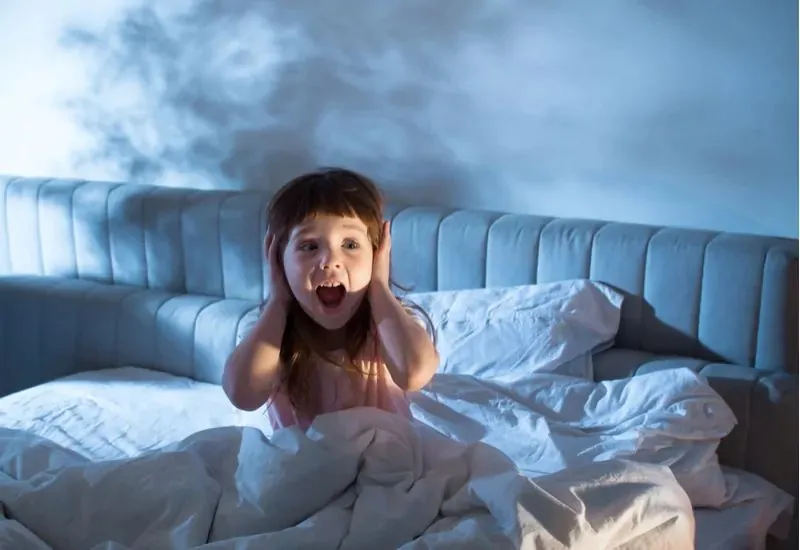
Understanding Sleep Terrors in Children
Sleep terrors, also known as sleep anxiety or pavor nocturnus, are episodes of intense fear, panic, or anxiety that occur during deep sleep, typically in the early hours of the night. They are a type of sleep disorder that can affect children and adults alike, but are more common in children. During a sleep terror episode, a child may scream, cry, or thrash about, and may appear to be awake, but they are actually still asleep. Sleep terrors can be very distressing for both the child and the parents, and it is essential to understand the causes and how to deal with them.
Sleep terrors are thought to occur during the transition from deep sleep to lighter sleep, when the brain is in a state of heightened arousal. This can be triggered by a variety of factors, including stress, anxiety, and fatigue. Children who experience sleep terrors may also have other sleep disorders, such as sleepwalking or nightmares. In some cases, sleep terrors can be a symptom of an underlying medical condition, such as sleep apnea or restless leg syndrome.
Causes of Sleep Terrors in Children
There are several factors that can contribute to sleep terrors in children. These include:
* Genetics: Sleep terrors can run in families, suggesting a genetic component. * Stress and anxiety: Children who are experiencing stress or anxiety during the day may be more likely to have sleep terrors at night. * Sleep disruptions: Disruptions to a child's sleep patterns, such as traveling across time zones or staying up late, can trigger sleep terrors. * Medical conditions: Certain medical conditions, such as sleep disorders, can increase the risk of sleep terrors.
Symptoms of Sleep Terrors
The symptoms of sleep terrors can vary from child to child, but common symptoms include:
* Screaming or crying * Thrashing about or flailing * Appearing to be awake, but actually still asleep * Rapid heartbeat and breathing * Sweating or trembling * Difficulty breathing
How to Deal with Sleep Terrors
While sleep terrors can be distressing, there are several things that parents can do to help their child. These include:
* Establishing a bedtime routine: A calming and predictable bedtime routine can help to reduce stress and anxiety. * Creating a safe sleep environment: Ensuring that the child's bedroom is safe and comfortable can help to reduce the risk of injury during a sleep terror episode. * Reducing stress and anxiety: Encouraging relaxation techniques, such as deep breathing or visualization, can help to reduce stress and anxiety.
Preventing Sleep Terrors
While it is not possible to completely prevent sleep terrors, there are several things that parents can do to reduce the risk. These include:
* Encouraging regular sleep patterns: Establishing a consistent sleep schedule can help to regulate the child's sleep patterns. * Reducing stress and anxiety: Encouraging relaxation techniques and reducing stress and anxiety can help to reduce the risk of sleep terrors. * Getting enough sleep: Ensuring that the child gets enough sleep can help to reduce the risk of sleep terrors.
The Importance of Mental Health in Children
Sleep terrors can be a symptom of underlying mental health issues, such as anxiety or depression. It is essential to prioritize mental health in children and to seek professional help if sleep terrors persist or are severe. Promoting mental health in children can help to reduce the risk of sleep terrors and other sleep disorders.
Seeking Professional Help
If sleep terrors are severe or persistent, it is essential to seek professional help. A healthcare professional can help to identify underlying causes and develop a treatment plan. In some cases, preventive care may be necessary to prevent sleep terrors.
Conclusion
Sleep terrors can be a distressing and disrupting experience for both children and parents. Understanding the causes and symptoms of sleep terrors can help to reduce the risk and impact of these episodes. By prioritizing mental health, establishing a bedtime routine, and creating a safe sleep environment, parents can help to reduce the risk of sleep terrors and promote healthy sleep habits in their child.
Final Tips
* Keep a sleep diary to track sleep patterns and identify triggers * Encourage relaxation techniques, such as deep breathing or visualization * Establish a consistent sleep schedule * Create a safe sleep environment
By following these tips and seeking professional help if necessary, parents can help to reduce the risk of sleep terrors and promote healthy sleep habits in their child.
Some key takeaways from this article include:
- Sleep terrors are episodes of intense fear, panic, or anxiety that occur during deep sleep.
- Sleep terrors can be triggered by stress, anxiety, and fatigue.
- Establishing a bedtime routine and creating a safe sleep environment can help to reduce the risk of sleep terrors.
- Prioritizing mental health and seeking professional help if necessary can help to reduce the risk of sleep terrors.
By prioritizing sleep health and mental wellbeing, parents can help to promote healthy sleep habits in their child and reduce the risk of sleep terrors.

Related Posts

When Nightmares Turn Real: Living Through Sleep Terrors
A personal journey through the unsettling world of sleep terrors, offering science‑backed tips, so... Read More

Unmasking the Quiet Triggers Behind Sleep Terrors
Discover how lighting, sound, temperature, food, and scent quietly fuel sleep terrors—and get a st... Read More

When Nighttime Becomes a Battlefield: Decoding Sleep Terrors and How to Win
Sleep terrors can feel like a hostile takeover of the night, but they’re rooted in a split‑brain... Read More
Top Posts

When Data Meets Narrative: A New Frontier in Cancer Care
Combining patient stories with advanced data analytics offers a richer, more personalized approach to cancer treatment, enhancing symptom management, adherence,...Read More

Taste the Edge: Using Flavor Science to Boost Focus and Creativity
Explore the neuroscience behind taste and its impact on cognition, learn practical flavor hacks, and create a personalized “taste strategy” to enhance focus...Read More

The Hidden Power of Micro‑Movement: Turning Everyday Motion Into Peak Performance
Micro‑movement—brief, frequent bursts of activity—can dramatically improve focus, creativity, and wellbeing. This article reveals the science behind it an...Read More

Unlocking a Modern Man’s Health Blueprint: Strength, Hormones, and Sustainable Habits
A fresh, evidence‑based roadmap for men focusing on hormone health, functional strength, sleep optimization, stress resilience, and smart tech, turning daily ...Read More
0 Comments
Post Comment
You will need to Login or Register to comment on this post!