
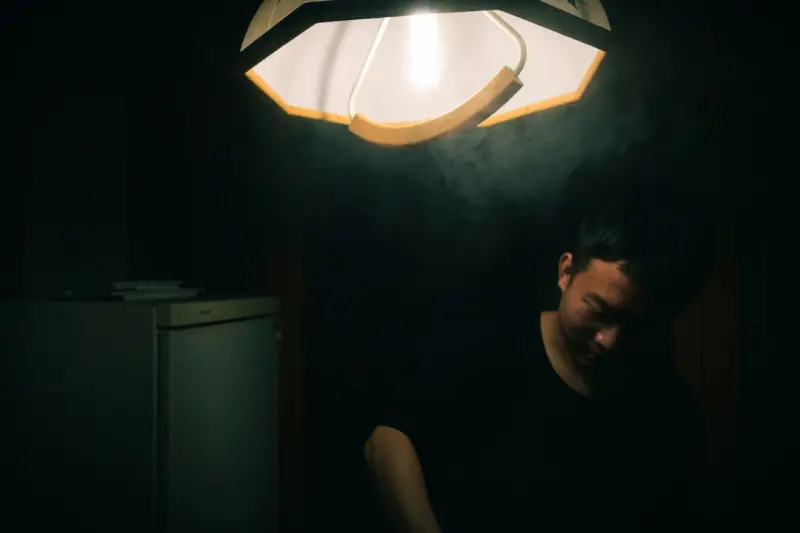
Sleep terrors have long been the hushed nightmare that flickers on the periphery of our nocturnal awareness. For most of us, the experience is a vague, unsettling notion—an abstract fear of something that could happen in the dark. In reality, these episodes are far more common than the headlines suggest, and they hold a surprisingly practical key for anyone looking to sharpen resilience, spark unconventional ideas, and recalibrate the way we relate to our own unconscious narratives.
Redefining the Phenomenon
Most people conflate sleep terrors with vivid nightmares or the occasional night‑time panic attack. The distinction is subtle but crucial. While nightmares occur during rapid eye movement (REM) sleep and are often remembered upon waking, sleep terrors erupt during the deepest stage of non‑REM sleep. The body jolts awake, heart racing, breath shallow, yet the memory of the event can be fragmented or entirely absent.
What makes them especially intriguing is the physiological surge that accompanies each episode: a spike in adrenaline, a flood of cortisol, and a rapid mobilization of the sympathetic nervous system. This cocktail is the same that fuels elite athletes before a sprint, the same that pushes innovators into a hyper‑focused state when a deadline looms. The difference? In the case of sleep terrors, the trigger is internal, not external.
Why We Ignore the Signal
Our culture glorifies uninterrupted sleep as the gold standard of productivity. Anything that disturbs that continuity is labeled a "problem" to be eliminated. Consequently, many treat sleep terrors as a medical anomaly to be medicated away. This mindset strips the episodes of their informational value, reducing them to a nuisance rather than a data point.
When we start to listen—really listen—to the body’s alarm system, a new narrative emerges. The terror is not a malfunction; it is a high‑intensity feedback loop telling us something is out of sync. Perhaps a lingering stressor, a lingering emotional wound, or an unresolved decision is demanding attention before we can safely slip into restorative rest.
Biology Meets Narrative
The surge of stress hormones during a terror episode wakes the nervous system, but the brain (or rather, the mind) remains largely locked in a pre‑conscious state. This creates a unique window where the logical cortex is dormant, yet the emotional and instinctual centers are hyper‑active. In this liminal space, abstract patterns can surface without the usual filters of rational analysis.
Think of it as a “raw data dump” from the subconscious. The mind is tossing out symbols, sensations, and fragmented scenes—much like a brainstorming session that has no agenda, no hierarchy, and no judgment. If captured correctly, these fragments can become the raw material for breakthroughs.
Harvesting the Afterglow
Turning a moment of panic into a creative advantage requires a deliberate post‑episode ritual. Below is a three‑step protocol that transforms the chaos into clarity:
- Immediate Grounding: Within minutes of awakening, engage the five‑sense technique—feel the floor, note the temperature, listen to a steady sound. This re‑orients the nervous system and reduces lingering hyper‑arousal.
- Micro‑Journaling: Keep a bedside notebook and a pen (no phone). Write down any images, feelings, or words that surface, even if they feel nonsensical. The act of externalizing the experience prevents the mind from re‑absorbing the stress and helps preserve the fleeting content.
- Pattern Mapping: At the end of the day, revisit the notes. Look for recurring symbols—water, doors, climbing, voices. These motifs often point toward underlying themes: unresolved projects, interpersonal dynamics, or personal values that demand integration.
By treating the terror episode as a data point rather than a malfunction, you create a feedback loop that continuously informs personal growth and professional decision‑making.
From Personal Insight to Team Dynamics
Imagine a leadership team that acknowledges the informational value of sleep disruptions. Instead of stigmatizing sleeplessness, they could introduce a “night‑time insight” channel—a secure, optional space where members can anonymously share fragments captured after a distressing night. Over time, patterns emerge that reveal collective stressors—perhaps an upcoming product launch, a market shift, or an internal restructuring.
These insights can be woven into strategic planning sessions, turning what once felt like a personal weakness into an organizational asset. The key is to foster a culture that treats subconscious signals with the same respect we give to market data.
Practical Environmental Tweaks
While we should not strive to provoke sleep terrors, we can create a sleep environment that reduces unnecessary triggers and supports a smoother transition through sleep cycles. Small adjustments—like regulating room temperature, minimizing sudden auditory spikes, and managing exposure to artificial light in the evening—can make a measurable difference.
For a deeper dive into how environmental cues shape our nightly experience, explore environmental design for optimal cognition. The principles outlined there apply equally to calming the nervous system before bed.
Leveraging Temperature‑Based Breathing Techniques
One of the most under‑utilized tools for calming the post‑terror surge is a structured breathwork routine that incorporates brief exposure to cool air. By alternating short, deliberate inhales of cool air with longer, relaxed exhales, you can gently coax the sympathetic system back toward parasympathetic dominance.
Research indicates that this method not only accelerates heart‑rate recovery but also reinforces a sense of control over the physiological response. For a practical guide on integrating such techniques into your nightly routine, see temperature‑based breathing techniques. While the original context focuses on metabolic health, the core practice is equally effective for calming the nervous spikes that accompany terror episodes.
When the Terrifying Becomes a Mentor
In the same way that many high‑performing individuals have learned to turn insomnia into a quiet mentor, the same principle can be applied to sleep terrors. The distinction lies in the timing and intensity of the signal. Insomnia offers a prolonged, conscious struggle; terror episodes provide a brief, high‑intensity flash of data.
Both demand the same skill set: observation without judgment, documentation, and synthesis. By honoring the terror episode as a mentor rather than an adversary, you begin to cultivate a resilient mindset that thrives on internal signals rather than fearing them.
Integrating the Practice into a Busy Lifestyle
Professionals often balk at the notion of adding another ritual to an already packed schedule. The beauty of the terror‑harvesting protocol is its brevity. The grounding phase takes under two minutes; micro‑journaling a minute; daily pattern mapping can be slotted into a commute or lunch break. Over a month, the time investment is negligible, while the potential payoff—enhanced self‑awareness, pre‑emptive problem detection, and a richer well of creative material—can be substantial.
Final Thoughts: Embrace the Night’s Whisper
Sleep terrors are not a curse; they are an urgent whisper from the body’s alarm system, offering raw, unfiltered insight. By shifting our perspective from avoidance to curiosity, we unlock a hidden reservoir of personal and professional intelligence. The next time you feel that sudden rush of panic in the night, remember: it is not just a disruption—it is an invitation to explore the deeper layers of your mind, to map the unseen terrain, and to bring that hidden knowledge into daylight.

Related Posts

Living in the Shadows: My Battle with Sleep Terrors
A personal account of battling sleep terrors, revealing holistic strategies—from diet to breathwor... Read More

Nighttime Battles: Turning Sleep Terrors into Tools for Healing
A personal guide to decoding sleep terrors, using grounding, environment tweaks, nutrition, and stor... Read More

When Shadows Stir: Unpacking Sleep Terrors From a Whole‑Person Lens
Sleep terrors are a physiological alarm that reveals hidden stress. This article breaks down the neu... Read More
Top Posts
Turn Your Health Insurance Into a Personal Wellness Engine
Learn how to leverage preventive benefits, mental health coverage, and smart savings strategies to make your health insurance work harder for your health....Read More

Navigating Autoimmune Waters with Data: Building Your Personal Health Dashboard
By turning the body into a source of real‑time data, this post guides autoimmune patients on building a personalized health dashboard, leveraging wearables, c...Read More

When Numbers Talk: A Compassionate Roadmap for Living with Prediabetes
Prediabetes can feel like a looming threat, but reframing it as a personal signal opens the door to compassionate change. This guide offers mindful data practic...Read More
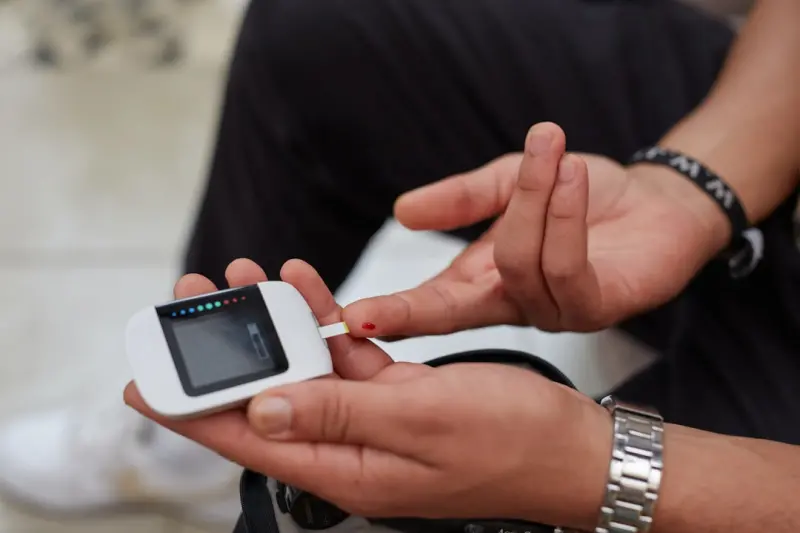
Why Your Digital Habits Could Be the Missing Piece in Prediabetes Control
A fresh look at managing prediabetes through small, tech‑driven habit changes—glucose dashboards, smart alerts, and community data sharing—to stabilize bl...Read More
0 Comments
Post Comment
You will need to Login or Register to comment on this post!