
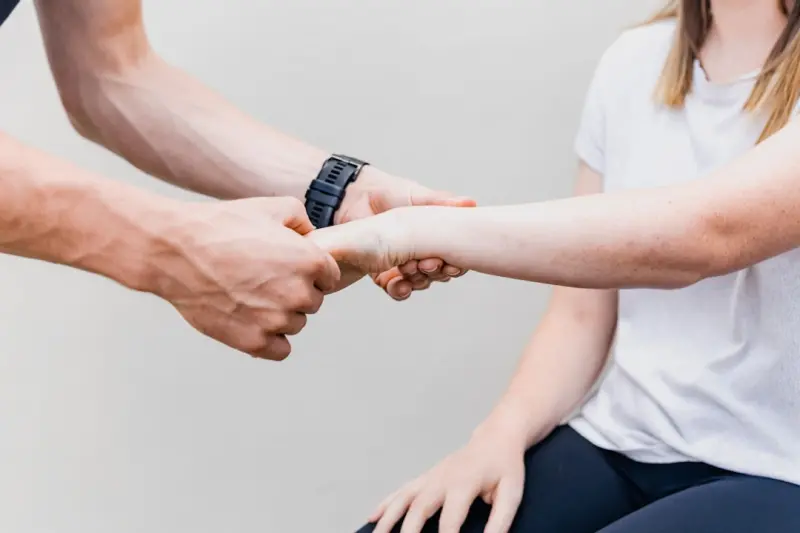
Why the Modern Digital Nomad Needs a New Kind of Physiotherapy
Every time I zip open my suitcase, I hear that familiar whisper: “Your body is going to thank you later.” It’s a line I’ve heard from countless clients, but as someone who’s spent the last decade hopping between co‑working spaces in Bali, cafés in Lisbon, and mountain retreats in Colorado, I’ve learned that “later” can quickly turn into “never” if you don’t treat mobility as a passport‑control checkpoint.
Physiotherapy has traditionally been associated with post‑surgery rehab, sports injuries, or the occasional “back‑pain‑because‑I‑sit‑too‑long” scenario. Those narratives are still valid, but they don’t capture the reality of a growing tribe of professionals who live out of a backpack, juggle Wi‑Fi reliability, and treat the world as their office. The digital nomad lifestyle is a double‑edged sword: it grants unparalleled freedom while subtly eroding the musculoskeletal foundations we rely on for that very freedom.
What Makes the Nomadic Body Unique?
Think about the daily rhythm of a nomad:
- Irregular sleeping patterns. You might be working at sunrise in a beach hut, then catching a red‑eye flight to a new city.
- Variable workstations. From standing desks in coworking hubs to laptop tables on a train, your ergonomics are constantly shifting.
- Frequent luggage hauling. Carrying a 20‑kg backpack up a narrow stairwell is a far cry from walking a predictable commute.
- Spontaneous adventure. One day you’re hiking a volcano, the next you’re cycling through a historic district.
Each of these variables taxes the spine, hips, shoulders, and core in unpredictable ways. Conventional physiotherapy protocols—usually based on stable environments and predictable activity patterns—fall short because they can’t anticipate the “what‑if” scenarios that nomads live daily.
From Reactive to Proactive: Building a Mobile‑First Physiotherapy Toolkit
The first shift in mindset is moving from “fix it after it breaks” to “prevent the break before it happens.” Below is a portable toolkit you can pack alongside your chargers and passport.
1. Self‑Myofascial Release (SMR) on the Go
A compact foam roller or a set of TheraBand balls can be your secret weapon. When you’re in a new city, find a quiet corner of a park, roll out the tension in your calves and IT band, and you’ll notice a measurable difference in hip stability within minutes. The key is consistency: a 5‑minute session each morning before you open your laptop.
2. Micro‑Mobility Drills
These are short, targeted movements that you can perform in a hotel room or even a cramped airplane seat. Think of “cat‑cow” spinal articulations, “scapular wall slides,” and “hip circles.” They cost nothing, take 2–3 minutes, and reset the nervous system after long periods of static posture.
3. Wearable Biomechanics Monitors
Smart wearables have leaped beyond heart‑rate tracking. Devices that monitor lumbar load, shoulder elevation, and gait symmetry now integrate with physiotherapy platforms that deliver real‑time cues. When the sensor detects excessive forward head posture, a gentle vibration prompts you to roll back your shoulders. It’s the digital equivalent of a therapist’s hands-on cue—just quieter.
4. Cold‑Water Immersion for Rapid Recovery
When you finish a grueling hike up a volcanic ridge, a quick dip in a cold lake or a portable ice bath can dramatically reduce inflammation and accelerate muscle repair. The science behind this is explored in Cold Water Immersion: Unlocking Immune Power and Mental Clarity, but the takeaway for nomads is simple: incorporate a 5‑minute cold plunge after any high‑intensity activity to keep soreness at bay.
5. Nutrition That Supports Connective Tissue
While on the road, it’s tempting to survive on quick carbs and caffeine. Yet collagen‑boosting foods—bone broth, leafy greens, and omega‑3‑rich fish—are essential for tendon resilience. Pair this with a daily vitamin D supplement (especially if you spend long hours indoors) to keep your musculoskeletal system primed for whatever the next destination throws at you.
Integrating Physiotherapy Into the Nomadic Workflow
Here’s how to make physiotherapy a seamless part of your daily itinerary, rather than an after‑thought.
Morning “Body Check‑In” Routine
Start each day with a 10‑minute body scan. Stand in front of a mirror (or use your phone’s front camera), observe alignment, then perform a series of micro‑mobility drills. This mirrors the “pre‑flight checklist” that pilots use, ensuring you’re cleared for take‑off—both literally and metaphorically.
Scheduled “Recovery Slots”
Just as you block out time for meetings, block out 15‑minute slots for SMR, stretching, or a brief cold‑water dip. Treat these appointments with the same rigor as a client call. Over time, you’ll notice reduced incidents of lower‑back flare‑ups and tighter shoulders.
Leverage Local Resources
Many co‑working spaces now feature wellness rooms equipped with foam rollers, yoga mats, and even physiotherapy‑grade resistance bands. When you’re in a city, scout these amenities and make them part of your routine. It’s an excellent way to network with like‑minded professionals while also caring for your body.
Virtual Physiotherapy Consultations
Technology has turned the traditional clinic model on its head. Platforms now offer live video sessions with licensed physiotherapists who can assess your posture, prescribe exercises, and monitor progress through the same wearable data you collect. This hybrid approach blends the convenience of telehealth with the expertise of a hands‑on therapist.
Case Study: From “Nomad Burnout” to “Nomad Balance”
Last year, I worked with Maya, a freelance graphic designer who had been hopping between three continents in six months. She complained of chronic neck pain, intermittent shoulder spasms, and a lingering sense of fatigue that no amount of caffeine could fix.
We instituted a mobile physiotherapy plan:
- Daily micro‑mobility drills during morning coffee.
- Two 5‑minute SMR sessions per day—one in the hotel, one in the coworking space.
- A wearable lumbar load monitor that nudged her to adjust posture every 30 minutes.
- Cold‑water immersion after each weekend hike.
- Weekly 30‑minute virtual physiotherapy check‑ins.
After eight weeks, Maya reported a 70% reduction in neck pain and was able to add a weekly yoga class to her schedule without feeling “over‑committed.” Her story underscores a powerful truth: physiotherapy isn’t a one‑size‑fits‑all prescription; it’s a flexible, adaptive system—much like the nomadic lifestyle itself.
Beyond the Body: The Mental Edge of Proactive Physiotherapy
Physical discomfort is a silent productivity killer. When your shoulders are tense, your mind is less capable of focusing on complex design tasks. Conversely, a well‑aligned spine sends positive feedback to the brain, boosting confidence and creativity.
Research shows that regular movement and proper recovery can increase neuroplasticity, essentially sharpening your problem‑solving abilities. So, when you invest in physiotherapy, you’re also investing in cognitive performance—a critical advantage when you’re juggling multiple client deadlines across time zones.
Bridging Community and Care: A Nomadic Physiotherapy Network
One of the most rewarding developments in the past few years has been the emergence of nomad‑focused wellness collectives. These groups meet in shared spaces, exchange tips on local physiotherapy resources, and even organize “mobility pop‑ups” where a traveling physiotherapist offers on‑site assessments.
For example, the Community Gardens initiative, while originally aimed at seniors, has inspired a parallel movement among digital nomads: “Urban Green‑Spaces for Mobility.” By integrating light resistance training into garden maintenance, participants gain functional strength while also contributing to a greener cityscape.
The Future: AI‑Driven Personalized Physiotherapy for the Road Warrior
Imagine an app that pulls data from your wearable, calendar, and even weather forecast to generate a daily physiotherapy plan tailored to your itinerary. On a rainy day, the app might suggest indoor mobility circuits; on a sunny day, a short outdoor stretch routine before you explore the city.
Machine learning algorithms can identify patterns—like recurring neck tension during long flights—and proactively adjust your program. While fully autonomous AI physiotherapists are still on the horizon, early prototypes are already piloted in major tech hubs, promising a future where physiotherapy is as fluid as your travel plans.
Takeaway Checklist for the Wandering Professional
- Pack a compact foam roller or massage balls.
- Commit to a 10‑minute morning body scan.
- Integrate micro‑mobility drills into daily routines.
- Utilize wearable tech for real‑time posture feedback.
- Schedule regular cold‑water immersion after intense activity.
- Prioritize collagen‑supporting nutrition.
- Leverage virtual physiotherapy consultations.
- Engage with local wellness communities and “mobility pop‑ups.”
- Stay curious about AI‑driven personalized programs.
By treating your body as the most valuable piece of travel gear, you’ll find that the world remains an open road—not a series of painful stops. The next time you zip open that suitcase, remember: your best adventure begins with a body that’s ready to move.

Brody Lambert is an emerging freelance writer whose fresh voice and thoughtful approach are quickly making their mark. As a fairly new entrant in the world of freelance writing, Brody brings a blend of curiosity and dedication that fuels every project, crafting stories and content that resonate with authenticity and clarity.
Related Posts
Beyond the Clinic: How Wearable Tech Is Revolutionizing Physiotherapy Prehab
Discover the power of wearable technology in physiotherapy prehab, from real‑time feedback to AIâ€... Read More
The Next Wave of Physiotherapy: How Holistic Care Is Redefining Recovery
Explore how modern physiotherapy merges holistic health, wearable tech, and personalized movement pl... Read More
Movement in Motion: A Physiotherapy Blueprint for Hybrid Teams
A practical guide for hybrid teams to integrate micro‑movements, tele‑physio, and data‑driven ... Read More
Top Posts

Unlocking the Secrets of Longevity: A Holistic Playbook for 2026
A 2026‑focused, holistic guide reveals daily rituals, biometric monitoring, and community strategies that transform longevity from a goal into a sustainable l...Read More

Navigating Prediabetes: A Holistic Roadmap to Balance and Vitality
I share my journey from a shocking prediabetes diagnosis to a vibrant, balanced life using holistic habits that stabilize blood sugar, boost energy, and empower...Read More
The Ultimate Guide to Muscle Gain: A Holistic Approach
Gain muscle in a sustainable way with a holistic approach. Learn how to optimize your diet, exercise, sleep, and stress levels for maximum muscle growth and rec...Read More
How Hormonal Rhythms Can Power Your Career and Well‑Being
Learn how to view the menstrual cycle as a strategic asset, aligning tasks, nutrition, and recovery with each hormonal phase to boost productivity, confidence, ...Read More
0 Comments
Post Comment
You will need to Login or Register to comment on this post!