

Why Traditional Sleep Advice Often Misses the Mark
Most sleep guidelines assume a one‑size‑fits‑all remedy—dark room, cool temperature, and a strict bedtime—but for many restless thinkers those prescriptions become background noise that the brain simply tunes out, leaving the night feeling like an endless rehearsal of worries. When the mind has been trained to chase productivity until the early hours, the usual “turn off the lights and count sheep” mantra feels like an invitation to keep counting thoughts instead, and the resulting frustration creates a feedback loop where the very act of trying to sleep becomes a source of anxiety. This is why a fresh perspective that respects the brain’s natural curiosity and its need for purposeful closure can be more effective than any blanket rule, especially when paired with intentional daytime habits that gently reshape the internal clock without forcing it.
Micro‑Daylight: Harnessing Natural Light to Reset Your Circadian Clock
Instead of waiting for sunrise to magically fix a sleepless night, deliberately exposing yourself to short bursts of bright, natural light in the morning and early afternoon can dramatically shift the body’s internal timing, signaling to the suprachiasmatic nucleus that the day is indeed progressing. Research shows that even a five‑minute walk under open sky, or a brief session by a sunny window, can boost melatonin suppression during daylight and enhance its release once darkness falls, creating a more pronounced contrast that the brain uses as a cue for sleep readiness. By integrating these micro‑daylight moments into daily routines—perhaps while sipping coffee on a balcony or stepping outside between meetings—you build a rhythmic pattern that quietly trains the nervous system to anticipate rest without the need for aggressive sleep‑restriction tactics.
Strategic Naps: The Science of the 90‑Minute Power Reset
Short, intentional naps can serve as a controlled “reset button” for the sleep pressure that builds up over a long day, but the key lies in timing the nap to align with a full sleep cycle of roughly ninety minutes, allowing the brain to move through light and deep stages without waking during grogginess. This approach prevents the common post‑nap inertia that often deters people from napping, while still granting the restorative benefits of a brief deep‑sleep phase that can lower cortisol levels and sharpen mental clarity for the evening ahead. By scheduling a mid‑afternoon nap—ideally between 1 pm and 3 pm—and keeping it strictly within the 80‑to‑100‑minute window, you give your body a chance to discharge accumulated adenosine, making it easier to drift into sleep when the night finally arrives.
Creative Sensory Journaling: Turning Nighttime Thoughts into Tangible Art
When the mind races at bedtime, the impulse to ruminate can be redirected into a tactile, creative outlet that both honors the thoughts and provides a concrete ending point, a technique I call sensory journaling. By gathering a small tray of colored pencils, textured paper, or even scented markers, you give the brain permission to spill its worries onto a surface, converting abstract anxiety into lines, shapes, or aromas that can be visually and olfactorily processed. This act of externalizing thoughts creates a natural “closure” ritual, signaling to the nervous system that the mental workday is complete, and the subsequent act of setting the journal aside becomes a cue that the brain can finally let go and transition toward sleep.
The “No‑Screen” Buffer: Replacing Blue Light with Analog Rituals
Rather than simply turning off devices an hour before bed, replace that digital vacuum with purposeful analog activities that engage the senses without triggering the brain’s alert pathways—think a short chapter of a printed novel, a handwritten gratitude list, or a brief session of tea‑making that emphasizes aroma and texture. These low‑stimulus rituals serve as a gentle bridge between the high‑frequency world of screens and the low‑frequency environment needed for melatonin production, allowing the visual cortex to relax while the somatosensory system remains engaged in a calming manner. By establishing a consistent, screen‑free buffer zone, you not only reduce blue‑light exposure but also cultivate a predictable pre‑sleep routine that the body learns to associate with the onset of rest.
Movement‑Minded Bedtime: Light Stretch Sequences That Signal Sleep
Incorporating a brief, low‑impact stretch routine—such as gentle neck rolls, cat‑cow spinal movements, and ankle rotations—can activate the parasympathetic nervous system, lowering heart rate and signaling to the brain that it’s time to wind down, all without the adrenaline surge that more vigorous exercise can provoke late in the evening. These movements encourage proprioceptive feedback, reminding the body of its physical boundaries and fostering a sense of groundedness that counteracts the mental “flight‑or‑fight” mode often present during insomnia. When paired with mindful breathing, this sequence becomes a non‑verbal language that tells the nervous system, “We’re safe, we’re still, we’re ready for sleep.”
Mindful Breath‑Counting Meets Rhythm: A Simple Audio Cue Technique
Combining the timeless practice of breath‑counting with a subtle, rhythmic auditory cue—like a low‑volume metronome set to 60 beats per minute—creates an external pacemaker that entrains the brain’s default mode network, encouraging synchronization between respiratory cycles and neural activity. As you inhale for four counts and exhale for six, the gentle tick anchors each breath, reducing the likelihood of wandering thoughts and fostering a meditative state that naturally promotes melatonin release. This method is especially useful for those who find traditional meditation intimidating, as the rhythm provides a concrete structure that the mind can latch onto, turning the act of breathing into a soothing, almost musical experience that eases the transition into sleep.
Building a Personal Insomnia Playbook: Tracking, Tweaking, Triumph
All of the techniques above become far more powerful when you treat them as data points in a personalized sleep playbook, documenting factors such as daylight exposure minutes, nap duration, sensory journaling sessions, and pre‑bedtime activities alongside subjective sleep quality scores. By reviewing this log weekly—perhaps using a simple spreadsheet or a dedicated sleep‑tracking app—you can identify patterns, adjust variables, and celebrate incremental victories, turning insomnia from a vague frustration into a manageable project with clear metrics. For deeper insight, consider linking to resources like Designing a Sleep Sanctuary to refine your environment, and explore Nighttime Narrative for complementary storytelling techniques, creating a holistic, evidence‑based strategy that empowers you to reclaim restorative nights.

Deb Roberts is a freelancer who writes on various subjects, bringing versatility and depth to her work. Alongside her broad writing expertise, she has a special passion for horses.
Related Posts

When Cortisol Takes the Bed: Unmasking the Biochemistry Behind Insomnia
Insomnia often stems from elevated cortisol and neuroinflammation rather than just poor habits. This... Read More

How Temperature, Air, and Light Shape Your Sleep – A Practical Guide
A deep dive into the often‑overlooked factors of temperature, air, and light that sabotage sleep, ... Read More

Turning Insomnia into a Strategic Edge for High‑Impact Professionals
Insomnia often feels like a setback, but it can be a powerful tool for deep thinking. Discover a dat... Read More
Top Posts

Rewriting the Food Narrative: Community, Creativity, and Nature in Eating Disorder Recovery
Discover fresh, holistic approaches—community kitchens, creative expression, and nature immersion—to rewrite your relationship with food and foster lasting ...Read More
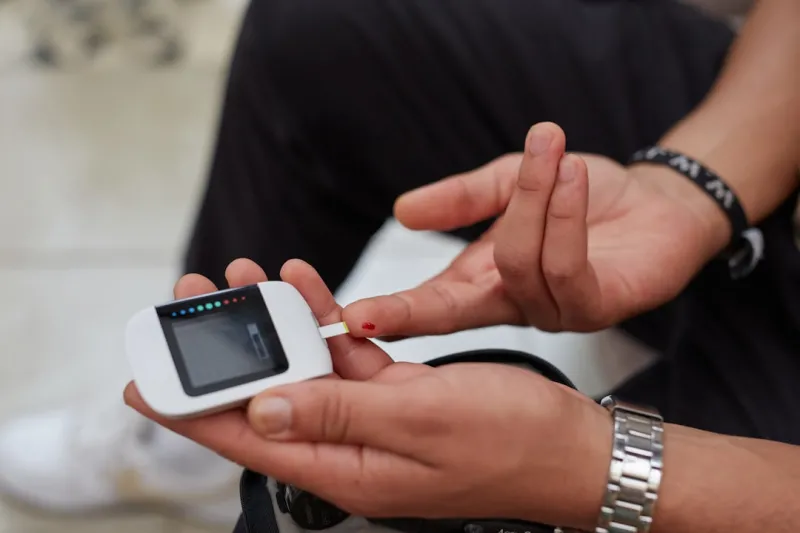
Understanding Prediabetes: A Wake-Up Call for a Healthier Lifestyle
Prediabetes is a silent warning sign that can creep up on anyone. Learn how a holistic approach can help prevent and manage prediabetes, reducing the risk of de...Read More

Deb Roberts’ Holistic Blueprint for Real‑World Weight Loss Success
Deb Roberts shares a holistic, science‑backed weight‑loss plan that balances gut health, liver support, and mindset, offering sustainable results beyond qui...Read More

Synaptic Gardening: Cultivating Brain Health Through Playful Curiosity
Learn to treat your brain like a garden by integrating short, purposeful play sessions that stimulate neurogenesis, enhance emotional regulation, and improve de...Read More
0 Comments
Post Comment
You will need to Login or Register to comment on this post!