

Living with narcolepsy feels like walking a tightrope over a bustling highway while the wind keeps shifting. One moment you’re steady, the next an unexpected wave pulls you toward the ground. For many, the condition is a silent current that reshapes daily routines, professional ambitions, and personal relationships. This piece shares the strategies I’ve built over years of trial, error, and a lot of curiosity—tools that go beyond the usual medical advice and tap into the power of technology, environment, and community.
Understanding the Hidden Landscape
Most public conversations about narcolepsy focus on the obvious: sudden bouts of overwhelming drowsiness and vivid nighttime episodes. Yet the condition weaves itself into subtler aspects of life. Cognitive fog, fragmented focus, and occasional muscle weakness can surface during meetings, while the need for short “power pauses” can be misread as laziness. Recognizing that these experiences are not isolated symptoms but interconnected threads helps reframe the narrative from one of deficiency to one of unique neuro‑physiological wiring.
My own breakthrough came when I stopped treating each episode as an isolated mishap and started mapping them. By logging the time of day, activity, and emotional tone before each episode, patterns emerged. Certain types of mental load, ambient temperature shifts, and even specific auditory frequencies seemed to act as catalysts. The key insight? The brain’s alertness circuitry is highly responsive to external cues, and by adjusting those cues, you can often soften the impact of an episode before it fully manifests.
Why Conventional Advice Misses the Mark
Typical guidance—“take scheduled naps,” “avoid heavy meals,” “keep a consistent bedtime”—is rooted in a one‑size‑fits‑all mindset. While those tips can be helpful, they ignore the fact that each person’s rhythm is a mosaic of genetics, lifestyle, and environment. For instance, a short, scheduled pause might work for a night‑shift worker but could disrupt a freelance graphic artist who relies on uninterrupted creative flow.
Moreover, many recommendations unintentionally reinforce stigma. When a colleague suggests “just try to stay awake,” it implies that the condition is a matter of willpower. The reality is far more nuanced: the brain’s orexin system—the chemical hub that regulates alertness—functions differently, and no amount of sheer determination can fully compensate for that biochemical landscape.
Tech‑Enabled Strategies That Actually Work
Modern tools have turned the tide for many of us. Below are the most effective digital allies I’ve integrated into my workflow:
- Wearable vigilance monitors. Devices that track heart‑rate variability and subtle skin conductance changes can forecast an upcoming wave of drowsiness up to 15 minutes in advance. When the sensor flags a rise in low‑frequency variance, a gentle vibration reminds me to pause or shift tasks.
- Smart lighting rigs. While “light” is a buzzword in many health posts, I’m speaking of programmable LEDs that mimic natural dawn. A gradual increase in blue‑rich wavelengths in the morning can nudge the brain’s alertness centers, reducing the need for abrupt stimulants.
- Task‑segmentation apps. Platforms that break larger projects into micro‑chunks (often 15‑20 minutes) paired with built‑in timers help maintain focus. By aligning these micro‑chunks with personal energy peaks, I can ride the wave rather than fight it.
- Environmental cue management. Simple adjustments—like placing a scented diffuser with invigorating aromas in the workspace—can serve as subtle anchors that signal the brain to stay alert. For a deeper dive into how environmental triggers can be re‑engineered, see this resource.
When it comes to holistic well‑being, the interplay between physical vitality and mental stamina is critical. A look into the broader picture of bodily health reveals hidden pillars that support neurological equilibrium. For a comprehensive perspective on these foundational elements, explore this deeper look.
Designing Your Day Around Unpredictable Waves
Instead of forcing a rigid schedule, I built a fluid framework that accommodates inevitable fluctuations:
- Anchor blocks. I reserve two to three “anchor” periods each day—times when I deliberately keep the calendar light. These windows are earmarked for high‑cognition tasks, but I also accept that they might need to shift.
- Strategic micro‑pauses. A 3‑minute eye‑closing break, combined with a breath‑focus exercise, can reset the brain’s alertness circuitry. I keep a small timer on my desk to remind me, preventing the pause from stretching into a prolonged lapse.
- Dynamic workload rotation. By alternating between visually intensive work (like data dashboards) and auditory or kinesthetic tasks (like brainstorming sessions), I balance neural demands, reducing the chance of a sudden “shutdown.”
- Pre‑emptive nutrition timing. While many articles champion “avoid heavy meals,” I’ve discovered that spacing lighter, protein‑rich bites every 2‑3 hours helps maintain steady metabolic flow without triggering unwanted drowsiness spikes.
These practices are not static; they evolve with each season, travel itinerary, and even mood. The goal is to create a living system that adapts rather than a rigid blueprint that cracks under pressure.
Community and Advocacy
Isolation can amplify the challenges of narcolepsy. Engaging with peers—whether through online forums, local meet‑ups, or workplace support groups—provides a reality check and a source of fresh ideas. I’ve found that sharing a simple “what worked today?” post can spark a chain of innovations that benefit the entire community.
Beyond personal networking, advocating for policy changes is essential. Simple accommodations like “flexible break policies” and “quiet zones” in offices can make a world of difference. When I approached my manager with a concise proposal outlining the productivity gains from a brief, scheduled pause, the response was overwhelmingly positive. It turned a perceived weakness into a strategic advantage for the team.
Looking Forward: Research on the Horizon
The scientific community is exploring several promising avenues that could reshape management strategies in the coming years. Emerging studies on orexin‑targeting medications aim to fine‑tune alertness without the jittery side effects of traditional stimulants. Parallel research into gene‑editing techniques holds the potential to address the root cause of the condition, though ethical considerations remain paramount.
Meanwhile, advances in neuro‑feedback are becoming more accessible. By training the brain to recognize and modulate its own alertness signals, individuals can develop a self‑regulatory skill set that complements medical treatments. As these technologies become mainstream, they promise to shift the conversation from “coping” to “optimizing.”
In the meantime, the most powerful tool remains the willingness to experiment, iterate, and share. The journey with narcolepsy is rarely linear, but each adjustment—whether a new app, a rearranged desk, or a candid conversation with a colleague—adds a brick to a sturdier, more resilient foundation.
If you’re navigating similar currents, remember that the landscape is yours to map. Embrace the data, lean into community, and give yourself permission to redesign the day on your own terms. The horizon is bright for those willing to chart a course beyond the obvious.

Kelly Reynolds is a dynamic freelance writer hailing from the picturesque landscapes of Alberta. A master of the written word, she juggles her passion for storytelling with the exhilarating chaos of being a mother to five spirited children. With an impressive portfolio that spans various genres, Kelly captivates readers through her engaging blog posts and thought-provoking articles.
Related Posts

Living with Narcolepsy: Designing Workflows That Respect Your Brain’s Rhythm
A practical guide on turning narcolepsy’s challenges into workplace strengths, using wearables, st... Read More
When Dreams Hijack Daylight: Turning Narcolepsy into a Creative Superpower
Explore how brief REM bursts in narcolepsy become a hidden wellspring of artistic inspiration, offer... Read More

Turning Narcolepsy into a Workplace Advantage
Explore how narcolepsy’s unique brain dynamics can become a superpower at work, with practical ste... Read More
Top Posts

Decoding Liver Enzyme Results: A Personal Guide to Understanding and Acting on Your Blood Tests
A personal, science‑backed guide to turning confusing liver enzyme numbers into clear, actionable steps for better health....Read More
Tiny Mental Breaks: How Micro‑Mindfulness Reshapes Daily Calm
Learn the power of micro‑mindfulness: tiny, intentional pauses paired with movement and soundscapes that build lasting calm and resilience in a busy world....Read More
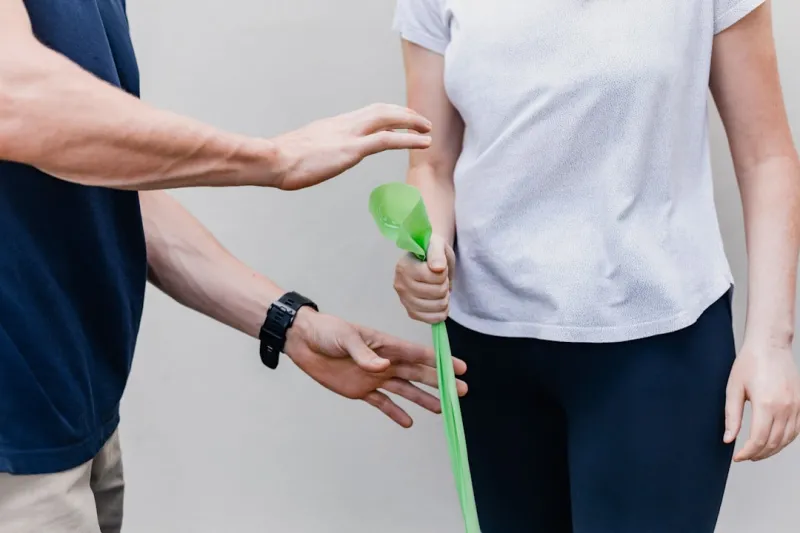
Physiotherapy Trends 2024: Tammy French’s Holistic Blueprint for Movement Mastery
Tammy French shares a fresh, holistic take on physiotherapy, blending movement mastery, nutrition, and community to transform pain into thriving motion....Read More

Eating Disorders Unveiled: Jessica Hall’s Holistic Path to Recovery
Jessica Hall shares her raw experience with eating disorders and offers holistic, actionable steps—mindful meals, community, and professional care—to foster...Read More
0 Comments
Post Comment
You will need to Login or Register to comment on this post!