

When Autoimmune Flare Meets the Boardroom: Strategies for High‑Performers
Let’s be real: living with an autoimmune condition feels a bit like juggling flaming torches while riding a unicycle on a tightrope. Add a demanding career to the mix, and you’ve got a circus act that would make even the most seasoned performer break a sweat. I’ve spent the past decade navigating this precarious balance, learning (sometimes the hard way) how to keep the flames from scorching the business side of my life. Below is the playbook I’ve assembled—part science, part street‑smarts, and a generous dash of humor—to help fellow high‑achievers turn flare‑ups from career‑killers into manageable blips.
1. Redefine “Productivity” on Your Terms
Traditional productivity metrics—hours logged, meetings attended, emails answered—assume a baseline of steady energy. Autoimmune disease shatters that assumption. The first step is to rewrite the definition of output so that it aligns with your fluctuating stamina.
- Outcome‑First Thinking: Shift focus from “how many tasks I completed” to “what impact those tasks delivered.” When you’re firing on all cylinders, you can tackle the long to‑do list. On low‑energy days, concentrate on high‑impact micro‑tasks that still move the needle.
- Energy‑Mapping: For a week, log your energy peaks and troughs in 30‑minute blocks. Use a simple spreadsheet or a note‑taking app. You’ll start to see patterns—maybe your creative brain spikes after a short walk, or your analytical mind sharpens after a protein‑rich snack.
- Micro‑Sprints: Break work into 15‑ to 20‑minute bursts with a clear objective, followed by a 5‑minute recovery pause. This mimics the Lymphatic Flow Hacks principle of short, intentional movement to keep the system flowing.
2. Build a “Flare‑Ready” Digital Workspace
The modern office is increasingly virtual, which is a double‑edged sword. On the one hand, you can control your environment; on the other, the relentless ping of notifications can become a stress catalyst. Here’s how to make your digital habitat work for you:
- Notification Hygiene: Turn off non‑essential alerts during your identified low‑energy windows. A simple Do Not Disturb mode can prevent the cascade of stress‑induced cortisol spikes that exacerbate inflammation.
- Automated Status Updates: Use tools like Slack or Teams to set a recurring status that signals when you’re in “focus mode” or “recovery mode.” This lets teammates know when to expect a delayed response without you having to type it out each time.
- Smart Email Timing: Align with the insights from When the Inbox Never Sleeps. Schedule non‑urgent emails for peak energy periods and batch‑process inbound mail to avoid the mental fatigue of constant inbox monitoring.
3. Leverage Data‑Driven Self‑Experimentation
Autoimmune conditions are notoriously individualized. What triggers a flare for one person might be benign for another. Treat your body like a high‑performance machine—collect data, run hypotheses, iterate.
- Track Core Biometrics: Use a wearable or a simple journal to record sleep quality, resting heart rate, skin temperature, and perceived pain levels. Correlate these metrics with diet, stress events, and work schedules.
- Run One‑Variable Experiments: Change only one factor at a time—say, reducing caffeine after 2 pm—and observe the impact over a two‑week period. Document results meticulously; the pattern will surface sooner than you think.
- Share Findings with Your Care Team: Bring concrete data to appointments. Clinicians appreciate patients who come prepared with objective evidence, and it can accelerate the tweaking of medication or lifestyle recommendations.
4. Adopt “Strategic Rest” as a Competitive Edge
Rest is often mischaracterized as laziness, especially in high‑pressure industries. In reality, strategic rest is a performance multiplier. Think of it as a tactical retreat that positions you for the next offensive.
- Power‑Naps on Demand: A 10‑minute nap can reset your autonomic nervous system, lowering inflammatory markers without the grogginess of a longer sleep cycle.
- Active Recovery: Light activities—gentle yoga, tai chi, or a brisk walk—stimulate circulation and help the lymphatic system clear metabolic waste, echoing the principles from Lymphatic Flow Hacks.
- Digital Sunset: Implement a hard stop on all screens at least an hour before bedtime. Blue light suppresses melatonin, which can destabilize your immune rhythm.
5. Communicate Proactively with Stakeholders
Transparency builds trust. You don’t have to disclose every medical detail—just enough to set realistic expectations.
- Pre‑emptive Planning: When you anticipate a potential flare (e.g., after a known trigger like a stressful deadline), let your manager know ahead of time and propose a contingency plan.
- Documented SOPs: Create a simple “flare playbook” that outlines who covers which responsibilities, what tools to use, and how communication should flow. This reduces the mental load on you and assures the team that continuity is maintained.
- Empathy Training: Offer a brief educational session on autoimmune disease for your department. When colleagues understand that fatigue isn’t a “choice,” they’re more likely to accommodate flexible arrangements without judgment.
6. Nutrition as Tactical Fuel, Not a One‑Size‑Fits‑All Diet
Nutrition is a frequent topic in the blogosphere, but the real challenge lies in translating broad guidelines into a personalized, work‑friendly menu.
- Meal‑Prep for Energy Stability: Batch‑cook anti‑inflammatory dishes (think salmon, leafy greens, turmeric‑spiced quinoa) and portion them into microwavable containers. This reduces decision fatigue during low‑energy periods.
- Strategic Snacking: Keep protein‑rich snacks (Greek yogurt, nuts, boiled eggs) at your desk to curb blood‑sugar swings that can trigger inflammatory pathways.
- Hydration Hacks: Auto‑immune flare-ups often correlate with dehydration. Use a marked water bottle and set hourly reminders to sip. Add a pinch of sea salt to support electrolyte balance.
7. Cultivate a Support Network Outside the Office
Professional life isn’t the only arena where you’ll need allies. A robust support system can buffer the emotional toll of chronic illness.
- Peer Groups: Join online forums or local meetups for people with similar autoimmune conditions. Shared experiences can surface coping mechanisms you never considered.
- Mentorship: Find a senior colleague who has navigated health challenges while climbing the corporate ladder. Their insights can be a roadmap for balancing ambition with self‑care.
- Family & Friends: Educate loved ones on your “energy budget.” When they understand that a short walk is sometimes more restorative than a marathon TV binge, they’ll be more supportive of your choices.
8. Reframe Setbacks as Data Points, Not Defeats
Every flare is a data point, not a failure. The mindset shift from “I’m broken” to “I’m learning” is subtle but powerful.
- Journaling Wins and Misses: Record what you did the day a flare occurred—what you ate, your stress levels, work demands. Over time, patterns emerge, turning uncertainty into actionable intelligence.
- Celebrate Micro‑Victories: Completed a presentation while feeling a mild ache? That’s a win. Acknowledging successes, however small, reinforces resilience.
- Iterate Your Playbook: As you gather more data, refine your strategies. The playbook is a living document, not a static rule set.
Conclusion: Turning the Autoimmune Narrative Into a Competitive Advantage
Autoimmune disease isn’t a career‑ending plot twist—it’s a variable that, when understood and managed, can sharpen your strategic thinking. By redefining productivity, engineering a flare‑ready digital environment, leveraging data‑driven experimentation, and embedding strategic rest into your routine, you not only survive the inevitable ups and downs but also position yourself as a more adaptable, insightful leader.
Remember: the goal isn’t to cure the disease (that’s the realm of science and medicine) but to craft a professional life that respects your body’s signals while still chasing excellence. The next time your immune system decides to throw a curveball, you’ll be ready with a well‑practiced swing.

William Roy is a freelance writer originally from Montreal who moved to Ottawa with his wife of 50 years to be closer to their grandkids. Alongside his writing, William has a passion for fishing.
Related Posts
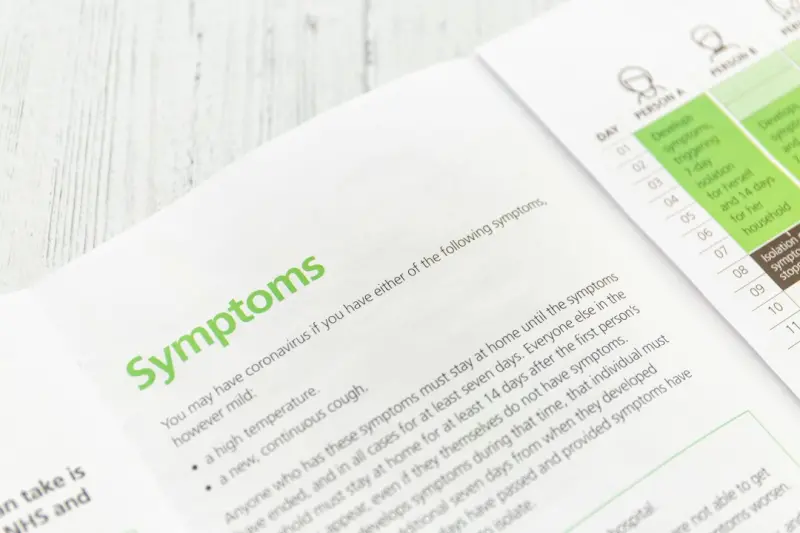
When the Immune System Goes Rogue: A Data‑Driven Playbook for Living with Autoimmune Disease
Living with autoimmune disease can feel like a hidden chess match. This post offers a data‑driven ... Read More

Living with Autoimmune Disease: My Holistic Roadmap to Resilience
A heartfelt guide sharing how mindful nutrition, gentle movement, restorative sleep, and supportive ... Read More

Transforming Autoimmune Challenges into Strategic Advantages
This article reveals a fresh, data‑driven approach to managing autoimmune disease, showing how per... Read More
Top Posts

The Digital Birth Companion: How AI and Wearables are Shaping Modern Pregnancy
A deep dive into how AI, wearables, and virtual communities are revolutionizing pregnancy, offering personalized birth plans, real‑time health monitoring, and...Read More

Moving Beyond the Mirror: How Body Literacy Reshapes Eating Disorder Recovery
Explore the power of body literacy—learning to read and respond to your body’s signals—to rebuild trust, reduce disordered eating patterns, and foster las...Read More

The Connection Between Physical and Mental Health: A Holistic Approach
The relationship between physical and mental health is complex and bidirectional. Learn how prioritizing physical health can have a positive impact on mental we...Read More
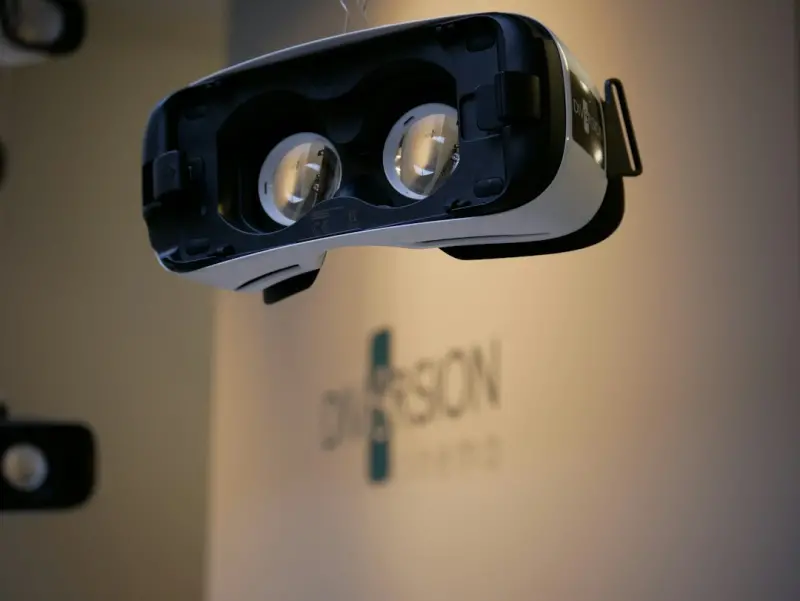
Beyond the Clinic Walls: The Virtual Reality Revolution in Physiotherapy
Virtual reality is reshaping physiotherapy by delivering immersive, data‑rich rehab experiences that boost patient motivation, improve outcomes, and integrate...Read More
0 Comments
Post Comment
You will need to Login or Register to comment on this post!