
When the Inbox Never Sleeps: The Silent Insomnia Trigger Most Professionals Overlook
It’s 11 p.m. and the glow of my laptop screen still flickers with a half‑finished email. I know the feeling all too well: the brain’s “to‑do” list has expanded into a digital avalanche, and the quiet lull of night is constantly interrupted by the buzz of notifications. As someone who’s spent years juggling product launches, client calls, and late‑night brainstorming sessions, I’ve realized that my own insomnia isn’t a mysterious medical condition—it’s a habit, a cultural cue, and ultimately, a performance leak.
In this post I’ll pull back the curtain on how our modern work habits—especially the habit of checking and replying to emails after hours—feed the insomnia cycle, why it matters for high‑performers, and what concrete, science‑backed steps you can take to reclaim your night.
The “Always‑On” Myth and Its Neurological Fallout
When we tell ourselves that we’re “always on” we’re not just talking about being reachable. We’re describing a neurochemical state where the brain’s sympathetic nervous system stays activated, releasing cortisol and adrenaline long after the sun has set. Those stress hormones are the same ones that get you pumped for a sprint or a product demo. When they linger, they tell your brain “stay alert,” and that’s the first brick in the insomnia wall.
Research shows that exposure to blue‑light wavelengths—like those emitted from laptops and phones—directly suppresses melatonin, the hormone that signals bedtime. Even a few minutes of scrolling through an email thread can push your melatonin production back by an hour or more. The result? A delayed sleep onset, fragmented REM cycles, and the dreaded “second‑wind” that leaves you wide awake at 3 a.m. while your inbox is still buzzing.
Why the Email‑Induced Insomnia Is Especially Toxic for Leaders
Leadership roles demand high‑stakes decision making, strategic thinking, and the ability to anticipate market shifts. Sleep deprivation impairs all of those faculties. Decision fatigue sets in, and the brain defaults to the easiest, most habitual choices—often the very shortcuts that cause strategic missteps.
- Reduced risk assessment: Sleep‑deprived leaders are more likely to underestimate potential downsides and overestimate the probability of success.
- Impaired emotional regulation: Irritability spikes, making it harder to navigate conflict or give constructive feedback.
- Creativity slump: The brain’s default mode network, which fuels innovative thinking, operates most efficiently during deep REM sleep. Cut that off, and ideas go stale.
In short, those midnight email replies aren’t just stealing your rest—they’re siphoning the very cognitive capital you need to steer your organization.
Connecting the Dots: Gut Health, Sleep, and Email Overload
One surprising ally in the fight against insomnia is the gut microbiome. A balanced gut can help regulate the production of neurotransmitters like serotonin, a precursor to melatonin. If you’re constantly hitting “send” after dark, you’re also likely to reach for caffeine or sugary snacks to power through, both of which further disrupt gut flora.
For a deeper dive on how gut health fuels focus (and indirectly, better sleep), check out Engineering Your Gut for Unstoppable Focus. The principles there—prebiotic foods, timed meals, and mindful eating—can create a foundation that makes your brain less prone to the “need to respond now” panic that fuels late‑night emailing.
Real‑World Signals: When Your Body Is Trying to Tell You Something
If you’re wondering whether your email habits are truly the culprit, look for these red‑flag symptoms:
- Racing thoughts that start as “Did I forget to reply?” and spiral into a mental loop.
- Frequent trips to the bathroom at night—cortisol can increase diuresis.
- Daytime “energy crashes” followed by a sudden urge to check the inbox for a quick dopamine hit.
- Heightened sensitivity to light—your eyes feel strained even from the soft glow of a night‑lamp.
These cues often masquerade as generic stress, but when you pair them with a habit of post‑work email checks, they become a clear insomnia warning system.
Three Proven Strategies to Break the Cycle
Below are actionable steps, grounded in sleep science, that you can implement tonight (and tomorrow) to shut down the insomnia‑email feedback loop.
1. Institute a Hard “Digital Sunset”
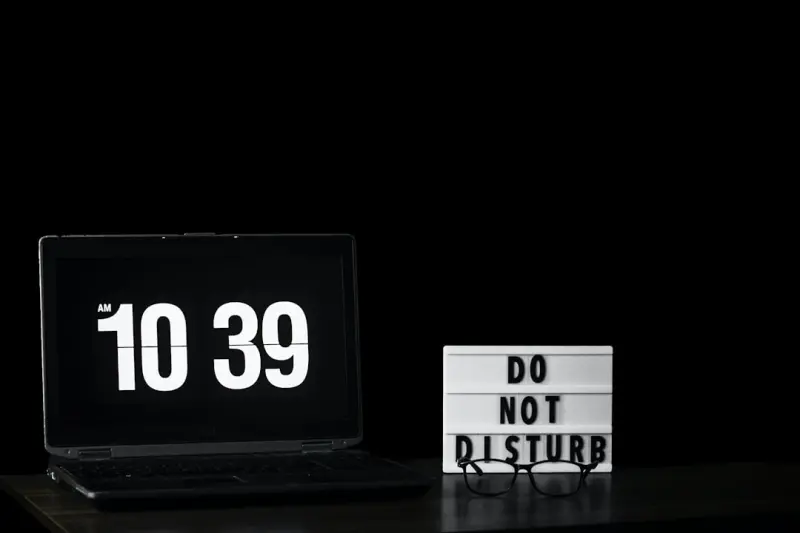
Set a firm cut‑off time for all work‑related notifications—ideally two hours before you intend to sleep. Use built‑in “Do Not Disturb” modes on your devices, and consider a phone‑free zone in the bedroom. If you must stay reachable for emergencies, route those alerts through a separate device that you can silence after the cutoff.
2. Swap the “Reply Now” Urgency for a “Scheduled Review”
Psychology tells us that urgency is a perception, not a fact. Create a daily “Inbox Review” window (e.g., 9–10 a.m. and 4–5 p.m.) and communicate that window to your team and clients. When an email arrives outside those windows, let it sit in a “Pending” folder. The simple act of moving it out of the inbox reduces the brain’s “action‑required” signal.
For teams that need rapid collaboration, use tools like Slack’s “snooze” feature or email “delay send” options to batch messages. This keeps the flow of information steady without demanding your immediate attention.
3. Optimize Your Pre‑Sleep Routine with Sensory Cues
Our bodies thrive on consistency. Pair a dim, amber‑tinted light with a short meditation or gentle stretching routine for 15 minutes before bed. This signals the pineal gland that it’s time to produce melatonin. If you find your mind still racing, a quick “brain dump”—writing down every lingering thought—can offload the mental clutter that otherwise fuels nocturnal email checks.
Leveraging Organizational Culture for Collective Sleep Health
Insomnia isn’t just an individual problem; it’s a cultural symptom. Companies that reward “always‑on” behavior inadvertently encourage sleep‑deprived decision makers, which can cascade into poorer outcomes across the board. Here’s how you can champion a healthier culture:
- Model the behavior: Leaders who visibly turn off devices after hours set a powerful precedent.
- Introduce “No‑Email Days”: A quarterly day where internal communication is limited to essential channels only.
- Provide resources: Offer workshops on sleep hygiene, and give access to sleep‑tracking apps that integrate with wellness programs.
- Redefine success metrics: Shift from “hours logged” to “outcomes delivered,” rewarding efficiency over overtime.
When the broader ecosystem respects sleep as a performance lever, individuals feel safer to disconnect, and the collective productivity spikes.
When Email Isn’t the Only Culprit: Holistic Sleep Checks
While the email habit is a major driver, don’t overlook other contributors that can amplify insomnia:
- Nutrition timing: Heavy meals close to bedtime can increase metabolic activity and disrupt the gut‑brain axis.
- Exercise patterns: Intense workouts late in the evening raise core body temperature, delaying sleep onset.
- Environmental factors: Bedroom temperature, noise levels, and even the presence of electronic devices can affect sleep quality.
For a comprehensive approach that also tackles gut health, see Rewiring the Night: A Holistic Playbook for Persistent Insomnia. Though it covers broader strategies, integrating those insights with the email‑focused tactics outlined here creates a full‑stack defense against sleeplessness.
Measuring Success: How to Know Your New Routine Is Working
Track these simple metrics over a two‑week period after implementing the digital sunset:
- Sleep latency: Time it takes to fall asleep after lights out. Aim for under 20 minutes.
- Wake‑after‑sleep‑onset (WASO): Minutes awake during the night. Reduce this by at least 30%.
- Subjective sleep quality: Rate each morning on a 1‑10 scale. Look for a steady upward trend.
- Productivity index: Compare the number of high‑impact tasks completed before and after the change. You’ll often see a boost as cognitive clarity returns.
Data‑driven validation not only reinforces the habit but also provides tangible proof to share with leadership, helping embed the practice into company policy.
Final Thoughts: Sleep as the Real Competitive Edge
In a world that glorifies hustle, the quiet power of a full night’s sleep is the ultimate differentiator. By recognizing that the habit of late‑night email checking is a hidden insomnia trigger, you reclaim not just personal health, but also strategic clarity, creative spark, and resilient decision making. The next time you feel the urge to type “just one more reply” at midnight, remember: the real ROI lies in the hours you spend asleep, not in the emails you send.
Take the first step tonight. Set that digital sunset, schedule your inbox, and let your brain finally switch off. Your future self—and your bottom line—will thank you.

Kelly Reynolds is a dynamic freelance writer hailing from the picturesque landscapes of Alberta. A master of the written word, she juggles her passion for storytelling with the exhilarating chaos of being a mother to five spirited children. With an impressive portfolio that spans various genres, Kelly captivates readers through her engaging blog posts and thought-provoking articles.
Related Posts

When the Night Won’t Let Go: Rethinking Insomnia for Modern Professionals
Insomnia isn’t just a nighttime problem—it reflects daytime choices, environment, and hidden phy... Read More

Listening to the Night: Turning Insomnia into Insight
Insomnia is the body’s signal that something’s unfinished. Learn temperature tricks, scent exper... Read More

Sleepless Strategy: Turning Insomnia Into a Business Edge
This post explores how brief periods of insomnia can be intentionally leveraged for sharper strategi... Read More
Top Posts
Reclaiming Rhythm: How Small Everyday Shifts Empower Women’s Hormonal Health
This article reveals how tiny daily actions—like desk micro‑movements, mindful commuting, and simple nutrition tweaks—can harmonize hormones, improve slee...Read More

The 2026 Body Detox Reset: My Holistic Blueprint for Clean Living
A practical 7‑day detox guide blending nutrition, liver care, and mental reset to help you cleanse, feel lighter, and boost vitality in 2026....Read More
Silent Signals: How Your Office Environment Shapes Blood Pressure
A deep dive into the hidden environmental factors at work that raise blood pressure, with actionable steps—from air quality hacks to micro‑movement breaksâ€...Read More

Neurodiversity & Eating Disorders: A Fresh Perspective
A deep dive into the unique ways neurodiversity influences eating disorders, offering practical tools, environmental tweaks, and strengths‑based approaches fo...Read More
0 Comments
Post Comment
You will need to Login or Register to comment on this post!