
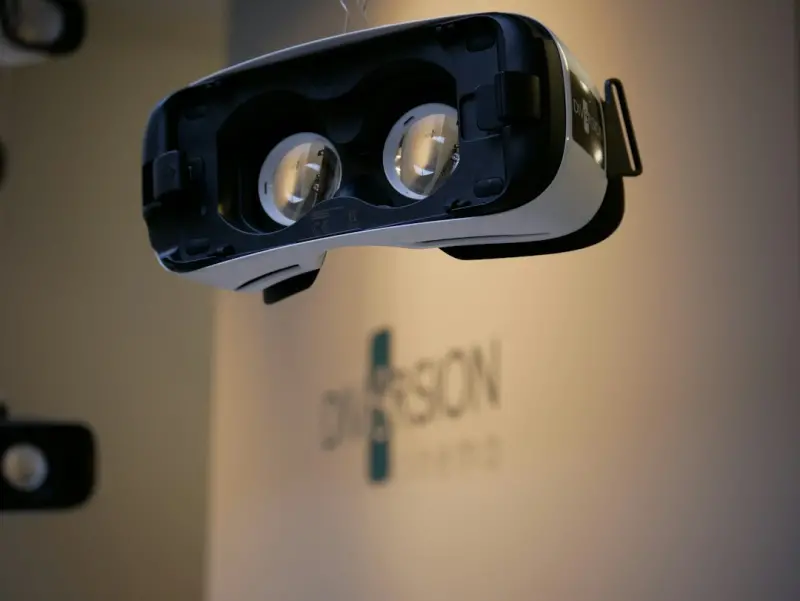
Beyond the Clinic Walls: The Virtual Reality Revolution in Physiotherapy
When I first walked into a physiotherapy lab in the early 2000s, the air smelled of rubber mats, antiseptic, and a faint hint of ambition. The tools of the trade were simple: a foam roller, a set of dumbbells, and a therapist’s intuition honed over years of hands‑on practice. Fast forward three decades, and the same room now hums with the soft whir of motion‑capture cameras, and a patient may be slipping on a headset that transports them to a sun‑lit beach while they work on their ankle stability. This is not a sci‑fi fantasy; it is the emerging reality of virtual reality (VR) in physiotherapy, and it is reshaping how we think about healing, motivation, and measurable outcomes.
Why VR Isn’t Just a Fancy Distraction
Critics often dismiss VR as a gimmick—an eye‑catching distraction that does little for true rehabilitation. The truth, however, is far more nuanced. VR creates an immersive, controllable environment where therapists can manipulate variables in real time, providing precise feedback that traditional settings can’t match. Think of it as moving from a static photograph to a dynamic video where every movement is tracked, quantified, and instantly adjusted.
- Objective Data Capture: Advanced headsets and motion sensors record joint angles, speed, and symmetry with millimetric accuracy. This data feeds directly into patient records, allowing for longitudinal analysis without the guesswork.
- Enhanced Patient Engagement: The gamified nature of VR turns repetitive exercises into missions. A simple knee extension becomes “collecting shells on a virtual shore,” boosting adherence rates dramatically.
- Safe Exposure to Real‑World Challenges: Patients recovering from vestibular disorders can practice balance on a simulated moving train without risking a fall.
- Personalized Progression: Algorithms adjust difficulty on the fly, ensuring the patient is always working at the optimal therapeutic threshold—neither too easy nor overwhelming.
From Theory to Practice: Real‑World Applications
Let’s walk through three concrete scenarios where VR is already making a measurable impact.
1. Post‑Operative Knee Rehabilitation
Traditional protocols involve a series of isolated motions—quadriceps sets, straight‑leg raises, and controlled weight‑bearing. In a VR setup, the patient might find themselves in a serene garden, tasked with gently lifting a virtual stone to a pedestal. The system records the exact degree of knee flexion and the force applied, providing real‑time cues (“increase your range by 5 degrees”) and rewarding successful attempts with visual and auditory feedback. Studies have shown that patients using VR report a 30‑40% increase in adherence and demonstrate faster gains in strength and proprioception.
2. Neurological Rehabilitation After Stroke
Regaining motor function after a stroke is a marathon, not a sprint. VR can simulate daily activities—grasping a coffee mug, navigating a crowded kitchen—while breaking them into manageable micro‑tasks. The immersive context re‑engages neuroplastic pathways that are otherwise dormant in a sterile clinic environment. Moreover, therapists can overlay visual cues, such as highlighting the intended movement trajectory, which has been linked to improved cortical activation patterns.
3. Chronic Low‑Back Pain Management
Low‑back pain often has a psychosomatic component. By immersing patients in calming environments and guiding them through targeted core‑activation drills, VR can shift the pain narrative from “painful restriction” to “controlled empowerment.” The technology also integrates biofeedback, allowing patients to see their muscle engagement in real time—a powerful motivator for those who have struggled with vague, “I feel it” sensations.
Integrating VR with Core Physiotherapy Principles
VR does not replace the hands‑on expertise of a therapist; it amplifies it. Here’s how seasoned clinicians can weave VR seamlessly into their practice:
- Assessment First, Tech Second: Conduct a thorough manual evaluation before introducing VR. This ensures that the virtual tasks are calibrated to the patient’s baseline capabilities.
- Hybrid Sessions: Alternate between traditional hands‑on techniques and VR modules. For instance, a 30‑minute manual stretch followed by a 15‑minute VR balance game keeps the session dynamic.
- Data‑Driven Decision Making: Use the objective metrics captured by the headset to fine‑tune treatment plans. If the system flags asymmetry, you can target that specific deficit in the next manual session.
- Patient Education: Explain the purpose of each VR scenario. When patients understand that “collecting shells” is actually a calibrated ankle‑stability drill, they’re more likely to stay motivated.
Beyond the Screen: The Role of Environment and Lifestyle
While VR brings the world to the patient, the patient’s real environment still matters. The design of physical spaces—lighting, acoustics, ergonomics—continues to influence recovery trajectories. Pairing VR sessions with a well‑lit, clutter‑free home rehab area maximizes the transfer of virtual gains to real‑world function.
Moreover, a holistic approach to physiotherapy now embraces strategic hydration. Proper fluid balance supports muscle elasticity, joint lubrication, and neural transmission—all crucial for the fine motor tasks practiced in VR. Encourage patients to sip water before and after sessions, and consider integrating short education clips within the VR experience about optimal hydration practices.
Challenges and Considerations
No technology is without its hurdles. Here are the most common obstacles and practical solutions.
Cost and Accessibility
High‑end VR setups can be pricey, but the market is rapidly democratizing. Mid‑range headsets paired with open‑source software can deliver therapeutic-grade experiences at a fraction of the cost. Clinics can also explore leasing models or shared equipment pools to reduce upfront investment.
Technical Literacy
Both therapists and patients may feel intimidated by the tech. Providing hands‑on training workshops, creating simple user manuals, and designating a “tech champion” on staff can smooth the adoption curve.
Motion Sickness and Fatigue
Some users experience cybersickness, especially during high‑velocity simulations. Start with low‑intensity, static environments and gradually increase movement complexity as tolerance builds.
Data Privacy
VR systems collect granular motion data, which is subject to privacy regulations. Ensure that your platform complies with HIPAA (or relevant local legislation) and that patients consent to data capture.
Future Directions: AI‑Powered Adaptive Therapy
The next frontier lies at the intersection of VR, artificial intelligence, and predictive analytics. Imagine a system that not only records movement but also predicts injury risk based on subtle deviations in gait patterns, then automatically adjusts the therapy protocol. Early prototypes are already leveraging machine learning to identify “hidden” compensations that even seasoned clinicians might miss.
Such AI‑driven platforms could also personalize the visual and auditory ambience—selecting calming ocean waves for a patient battling anxiety, or high‑energy beats for an athlete craving motivation. The therapy becomes a living, breathing ecosystem, continuously tuned to the patient’s physical and emotional state.
Getting Started: A Practical Checklist for Clinics
- Identify Target Patient Populations: Start with groups that benefit most—post‑operative orthopedics, neurological rehab, chronic pain.
- Choose Scalable Hardware: Opt for devices with proven clinical validation and an active developer community.
- Partner with Content Creators: Collaborate with physiotherapy‑focused VR studios that understand therapeutic goals.
- Train Your Team: Allocate dedicated time for staff to become comfortable with headset setup, software navigation, and troubleshooting.
- Integrate Data Pipelines: Ensure that motion capture data feeds into your electronic health records (EHR) for seamless documentation.
- Gather Feedback: Use patient satisfaction surveys and outcome metrics to refine the VR modules.
Conclusion: Embracing the Digital Frontier Without Losing the Human Touch
Physiotherapy has always been a blend of science, art, and human connection. Virtual reality adds a powerful new brushstroke to that canvas, offering precision, engagement, and scalability previously unimaginable. As clinicians, our role is not to let the technology dominate the therapeutic relationship, but to harness it as a tool that deepens our ability to listen, motivate, and heal.
If you’re curious about how emerging tech can dovetail with tried‑and‑true practices like habit‑stacking, hydration, and recovery strategies, the answer lies in thoughtful integration. By blending immersive VR experiences with evidence‑based nutrition, movement, and lifestyle principles, we can usher in a new era where patients not only recover faster but also rediscover the joy of movement.
The future of physiotherapy isn’t a distant horizon; it’s a headset away. Let’s step into it together, guided by data, compassion, and the unshakeable belief that every body can move better.

Related Posts
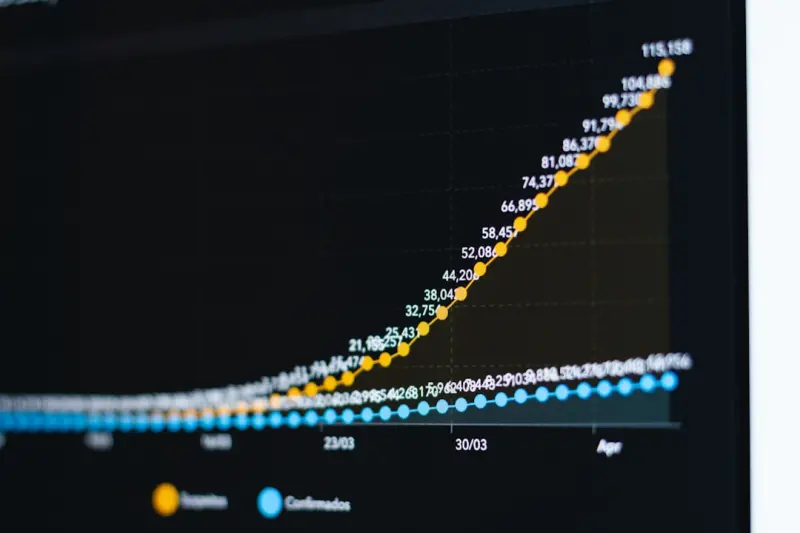
Anticipatory Rehabilitation: Turning Data into Movement Freedom
Physiotherapy is evolving into anticipatory rehabilitation, using wearables and data analytics to pr... Read More

Creative Arts as a Catalyst in Physiotherapy: Boosting Healing Through Music, Dance, and Movement
Explore the transformative power of creative arts in physiotherapy, from rhythmic music to movement ... Read More
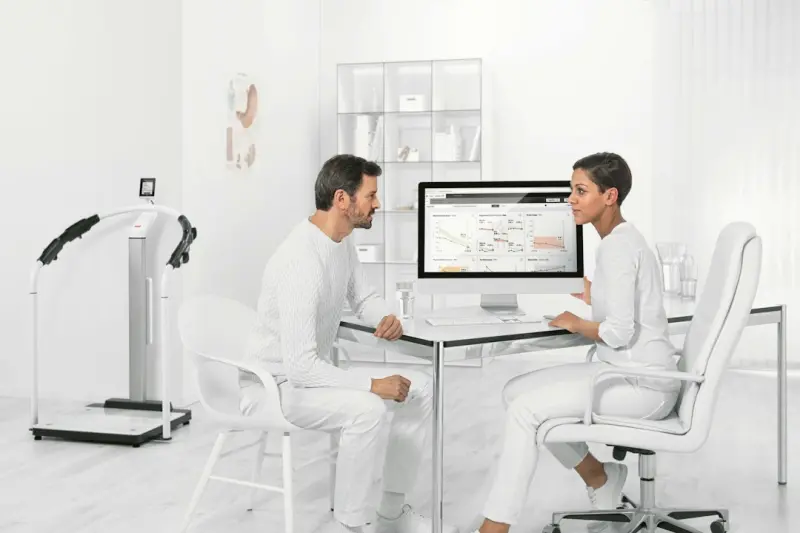
Beyond the Clinic: How AI and Motion Capture are Redefining Physiotherapy
The post examines how artificial intelligence, motion‑capture, virtual reality, and wearable senso... Read More
Top Posts

Sunlit Detox: Leveraging Light, Cold, and Breath to Reset Your Body
Discover how aligning with sunrise light, brief cold shocks, and diaphragmatic breathing creates a synergistic detox routine that enhances liver function, lymph...Read More

A Whole‑Body Detox Journey: My Holistic Blueprint for Vibrant Health
Explore my personal 7‑day detox blueprint, from nutrient‑dense meals to sleep and movement rituals, and learn sustainable habits to keep your body thriving....Read More

Unlocking Nutrition Synergy: How Smart Food Pairings Boost Health
Explore how strategic food combinations amplify nutrient absorption, improve digestion, and support lasting vitality—turn each meal into a health‑boosting e...Read More
Adaptive Thermogenesis: Turning Your Body Into a Fat‑Burning Engine
Discover how brief cold showers, a dash of spice, and frequent micro‑movements can rewire your body’s thermostat, boost metabolic rate, and help you lose we...Read More
0 Comments
Post Comment
You will need to Login or Register to comment on this post!