
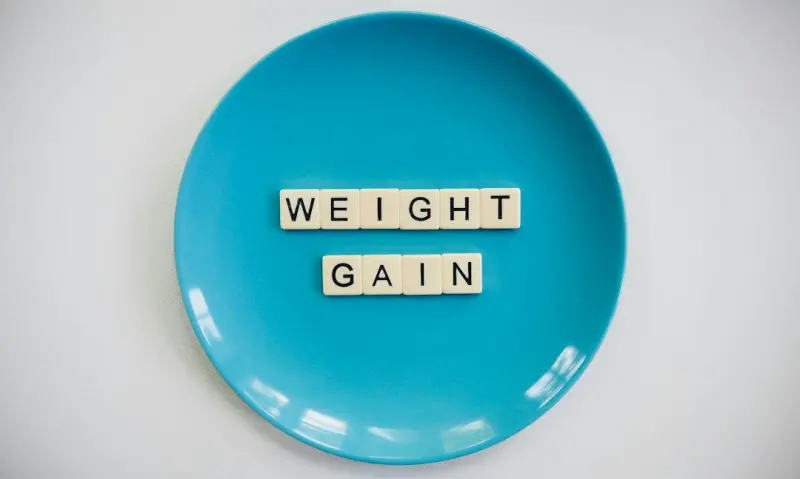
Why Your Weight Loss Journey Needs a Story, Not a Spreadsheet
When I first stepped onto the scale after a decade of “quick‑fix” diets, the numbers stared back at me like a cold, impersonal report card. I’d tried calorie counters, macro calculators, and the latest trend‑filled apps, yet nothing seemed to stick. The breakthrough didn’t happen when I cut another carb or added another 10‑minute walk. It happened when I started treating my own life as a narrative—when I realized that the story I tell myself about food, body, and change is the real engine of sustainable weight loss.
The Problem with Pure Data
Data is powerful, but it’s also limited. Numbers can tell you how many calories you ate, what your macronutrient split looks like, or how many steps you logged. They cannot explain the why behind a midnight fridge raid or the how of a sudden loss of motivation after a stressful meeting. When you rely solely on spreadsheets, you end up chasing metrics while the emotional undercurrent that fuels your choices remains unaddressed.
In my own research I discovered a growing body of evidence that narrative psychology can reshape habits. By rewriting the story you live by, you create a mental framework that aligns your daily actions with a larger, personally meaningful plot.
Enter Narrative Journaling
Imagine you’re the protagonist of a novel. Every chapter has a conflict, a turning point, and a resolution. Your weight loss quest becomes a hero’s journey rather than a monotonous tally of grams and ounces. Narrative journaling is the practice of documenting that journey in story form:
- Set the Scene: Describe where you are, what you feel, and why this moment matters.
- Identify the Antagonist: Is it stress, a busy schedule, or an old habit?
- Map the Allies: Friends, supportive apps, or community groups that back you up.
- Outline the Quest: Your specific, realistic goal (e.g., “run a 5K in three months” or “cook three new plant‑based meals each week”).
- Celebrate Small Victories: Write about each win as a plot twist that propels the story forward.
When you put pen to paper (or fingers to keyboard), you externalize the internal dialogue that often runs on autopilot. This externalization makes it easier to spot patterns, challenge limiting beliefs, and rewrite the script.
How to Start Your Weight‑Loss Narrative
Below is a step‑by‑step guide that helped me transform a vague desire to “lose weight” into a vivid, lived story:
- Choose a Narrative Lens: Are you a detective solving the mystery of cravings? Or perhaps a builder constructing a healthier version of yourself? Pick a metaphor that resonates.
- Write a Prologue: Draft a short paragraph that captures your current reality and the spark that set you on this path.
- Define the Villain(s): List the top three obstacles that sabotage you. Give them names—“The Midnight Snacker,” “The Desk‑Bound Demon,” etc.
- Introduce Your Crew: Identify people, tools, or habits that will support you. This is where you can incorporate community resources, such as an online forum or a local walking group.
- Chart the Quest: Break your main goal into weekly “chapters.” Each chapter should have a clear, measurable objective and a narrative hook.
- Record Daily Entries: Write in first person, describing what happened, how you felt, and what the next step will be. Keep the tone honest but hopeful.
- Reflect Monthly: At the end of each month, reread your entries. Highlight recurring themes, celebrate growth, and adjust the plot as needed.
Storytelling Meets Science: The Sweet Spot
While narrative journaling is rooted in psychology, it can be complemented by scientific tools without letting data dominate. For example, you might track your sleep quality or stress levels using a wearable, but instead of letting those numbers dictate your day, you weave them into your story.
Think of your interactive fitness challenges as plot devices—unexpected side quests that keep the main story exciting. Or use a blood‑sugar stability framework as a subtle sub‑plot that informs your dietary choices without becoming the headline.
Why Narrative Beats “Willpower” Every Time
Traditional weight‑loss advice often touts “willpower” as the ultimate weapon. But willpower is a finite resource that depletes under stress. Narrative journaling, on the other hand, builds a self‑reinforcing identity. When you view yourself as the “hero” who overcomes cravings, each successful choice feels like a badge of honor, not a sacrifice of will.
Research shows that people who identify with a “healthy self‑image” are more likely to maintain weight‑loss behaviors long‑term. By crafting a story where the healthy version of you already exists, you align your subconscious with your conscious actions.
Practical Tips for Maintaining Momentum
Even the best stories can stall without proper pacing. Here are tactics to keep your narrative flowing:
- Visual Anchors: Create a mood board or digital collage that reflects the next chapter of your journey. Place it where you’ll see it daily.
- Voice‑Modulated Recording: Occasionally record a short audio diary—your “narrator’s voice.” Listening back can reignite emotional connection.
- Community Publishing: Share selected excerpts with a trusted group (online forum, friends, or a therapist). The feedback acts as applause for your hero.
- Mini‑Rituals: Celebrate each chapter’s completion with a non‑food reward—new workout gear, a massage, or a nature hike.
- Adapt the Plot: If a chapter feels too rigid, rewrite it. Flexibility prevents the story from becoming a prison.
Common Pitfalls and How to Dodge Them
1. Over‑Analyzing the Narrative. It’s tempting to dissect every sentence for hidden meaning. Remember, the story is a guide, not a thesis.
2. Ignoring Data Completely. While the narrative is central, dismissing all metrics can blind you to health signals. Use data as background color, not the main picture.
3. Stagnant Plot. If your chapters repeat without progression, you’re stuck in a loop. Introduce new challenges, settings, or allies to keep it fresh.
4. Neglecting Emotional Depth. A story that only lists actions feels hollow. Dive into feelings—fear, excitement, doubt—because they drive behavior.
Success Stories: From Numbers to Narrative
Below are anonymized snapshots from readers who embraced storytelling:
- “I used to log every bite in an app. After I started writing a ‘food adventure’ diary, I realized I was actually avoiding social events because I felt judged. By rewriting that chapter, I invited friends over for pot‑luck style, and my weight steadied without feeling deprived.”
- “My nightly cravings were a villain I could never defeat. When I cast them as ‘The Midnight Whisper,’ I set a rule: the hero (me) can only confront the whisper with a 5‑minute stretch, not a cookie. Over months, the whisper lost its power.”
- “I turned my weekly grocery trip into a ‘treasure hunt.’ Each time I chose a whole‑food ingredient over a processed one, I wrote a line in my story: ‘The hero discovers a hidden gem that fuels tomorrow’s victory.’ It made healthy choices feel like discoveries, not chores.”
Integrating Narrative Journaling into a Busy Life
Time constraints are real. Here’s a streamlined routine that fits into a hectic schedule:
- Morning 5‑Minute Set‑Up: Jot down the day’s “quest” (e.g., “choose a salad for lunch”).
- Midday 2‑Minute Check‑In: Note any obstacles that appeared and how you responded.
- Evening 7‑Minute Reflection: Write a short paragraph summarizing the day’s story arc, highlight a win, and set tomorrow’s plot hook.
Consistency, not length, fuels the transformation.
Final Thoughts: Your Story Is Your Superpower
Weight loss is often framed as a battle against numbers, but numbers are merely signposts along a richer journey. By giving yourself a narrative identity, you turn everyday choices into meaningful scenes, and each healthy habit becomes a stepping stone in a larger adventure.
Start tonight: open a fresh document, declare the title of your story, and write the opening line. The rest will follow, one paragraph at a time. Remember, the hero’s greatest weapon isn’t a calorie calculator—it’s the story you dare to live.

Tammy French is a Montessori Teaching Assistant and freelance writer passionate about education, creativity, and inspiring lifelong learning through engaging content.
Related Posts

The Creative Kitchen: Turning Cooking into a Weight‑Loss Power Play
Explore a fresh, creative approach to weight loss by treating cooking as an artistic playground—us... Read More
Turn Up the Heat: How Ambient Temperature Can Accelerate Your Weight Loss Journey
Learn how modest changes to your indoor climate can activate brown fat, increase daily calorie burn,... Read More

Unlocking Metabolic Flexibility: A Sustainable Path to Fat Loss
Learn a practical, science‑backed approach to metabolic flexibility that rewires your body’s fue... Read More
Top Posts
Rewiring Autoimmune Health: Soil‑Based Probiotics, Detox, and Daily Rituals
Learn a holistic, step‑by‑step plan that blends soil‑based probiotics, intentional detox, breath work, and community support to calm the immune system and...Read More
Touch, Talk, and Thrive: How Human Connection Fuels Healthy Aging
This article explores the science behind social connection as a powerful anti‑aging tool, offering practical strategies—from micro‑community zones at home...Read More

Desk‑Bound Men: Rewire Vascular Health Today
A practical guide for men who spend most of their day seated, offering micro‑movements, nutrition tweaks, and workspace hacks to protect cardiovascular health...Read More
Feeding the Engine: Harnessing the Gut‑Liver Axis for Peak Health
Learn how the gut‑liver axis influences metabolism, and get practical nutrition, movement, stress, and sleep strategies to keep your liver thriving and your b...Read More
0 Comments
Post Comment
You will need to Login or Register to comment on this post!