
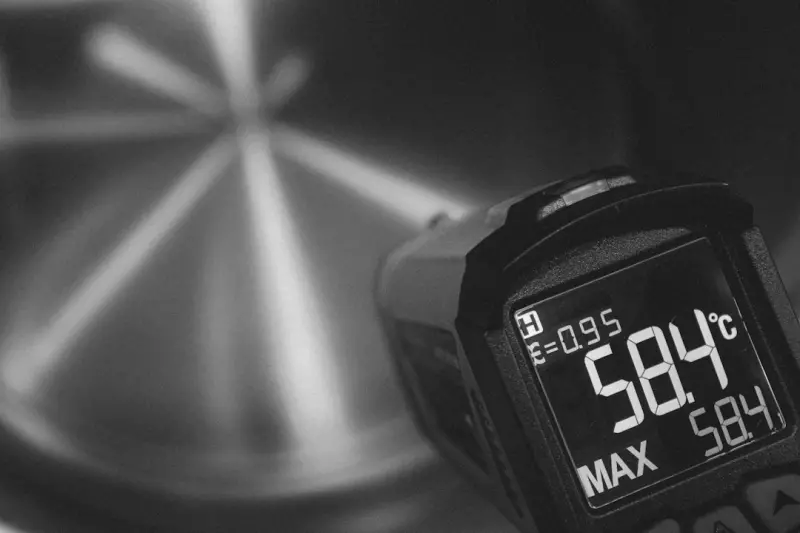
Imagine strolling into your living room after a long day and feeling an invisible, calorie‑burning hug from the very air you breathe. It sounds like a sci‑fi plot, but the truth is that the temperature of the spaces we inhabit can subtly (and sometimes dramatically) influence how our bodies store—or shed—fat. In this post, I’ll walk you through the surprisingly powerful link between ambient temperature, metabolic rate, and sustainable weight loss, then give you a toolbox of practical, data‑driven tweaks you can start using tonight.
Why Temperature Matters More Than You Think
Most weight‑loss conversations revolve around calories in versus calories out, macronutrient ratios, or the latest superfood craze. While those factors are undeniably important, they often overlook a hidden variable: thermogenesis—the process by which your body generates heat. Your body is constantly balancing heat production and loss to maintain a core temperature of roughly 98.6°F (37°C). When you expose yourself to cooler environments, you trigger non‑shivering thermogenesis, a calorie‑burning response primarily driven by brown adipose tissue (BAT). BAT is like a furnace that burns stored fat to keep you warm, and it’s far more metabolically active than the white fat that typically clings to our midsections.
Conversely, staying in an overly warm environment can reduce the need for this natural furnace to kick in, leading to a slower metabolic rate. The sweet spot? A modestly cool indoor climate that nudges your body to work just a little harder—without making you shiver or feel uncomfortable.
The Science Behind the Chill
Researchers have documented that a drop of just 5°F (about 3°C) in ambient temperature can increase daily energy expenditure by 5‑10% in healthy adults. This isn’t about freezing yourself; it’s about creating a gentle, sustained thermal gradient that encourages your BAT to stay active. A landmark study published in the Journal of Clinical Endocrinology found that participants who spent eight hours a day in a room set to 66°F (19°C) burned an average of 150 extra calories per day compared to those in a 74°F (23°C) environment.
What’s more, this effect compounds over time. Add a modest calorie deficit from diet, and those extra thermogenic calories become a potent accelerator for weight loss—especially for individuals who have plateaued despite diligent diet and exercise.
Practical Home Hacks to Harness Thermogenesis
- Set a Cool Baseline. Aim for an indoor temperature of 66‑68°F (19‑20°C) during waking hours. Use a programmable thermostat so the temperature only dips when you’re at home, saving energy and ensuring comfort.
- Embrace the Power of the Draft. Open a window for a few minutes each morning, especially in the winter. A brief exposure to cooler outdoor air can prime your BAT for the day ahead.
- Dress for the Temperature. Swap heavy jackets for layered, breathable clothing. Light sweaters and a thin scarf can keep you comfortable while still allowing your body to generate heat.
- Cool‑Down After Workouts. Instead of immediately stepping into a hot shower, let your body cool naturally for 5‑10 minutes. This prolongs the post‑exercise thermogenic effect.
- Cold Water Immersion. A quick 2‑minute foot soak in cold water (around 55°F/13°C) can stimulate peripheral circulation and activate brown fat without the shock of an ice bath.
These tactics are low‑cost, low‑risk, and can be seamlessly woven into a busy executive’s schedule—no need for expensive gym equipment or extreme fasting protocols.
Wearable Tech: Turning Data Into Thermogenic Action
If you’re already tracking steps, heart rate, and sleep, why not add temperature to the mix? Modern wearables now offer skin temperature sensors that can alert you when your body temperature drifts too high, prompting you to adjust your environment. Pair this data with a simple temperature‑adjustment rule:
- When skin temperature rises above 97°F (36°C) for more than 30 minutes, lower the thermostat by 2‑3°F.
- When skin temperature falls below 95°F (35°C), consider a short walk or a warm beverage to avoid excessive shivering, which can be counterproductive.
This feedback loop creates a personalized climate that nudges your metabolism without you having to think about it constantly.
Integrating Food Choices: The Fermented Edge
Temperature isn’t the only hidden lever. What you eat can amplify thermogenesis. Fermented foods, for example, support a healthy gut microbiome that influences how efficiently you extract calories from food. If you’re curious about how gut health intersects with metabolic performance, check out The Executive’s Secret Weapon: Leveraging the Gut Microbiome for High Performance. A balanced gut can improve insulin sensitivity, making it easier for your body to mobilize fat stores when the thermostat calls for a little extra heat production.
Similarly, Fermented Foods: A Hidden Ally in Blood Sugar Mastery dives deeper into specific strains that boost metabolic flexibility—another key piece of the temperature‑weight loss puzzle.
Movement That Matches Your Climate
While ambient temperature can do a lot of heavy lifting, pairing it with movement that aligns with your environment maximizes results. Consider these climate‑congruent activities:
- Indoor Walking in a Cool Room. Set your treadmill or walking path in a room kept at 66°F. The slight chill forces your muscles to work a bit harder to stay warm.
- Low‑Intensity “Thermic” Circuits. Combine bodyweight moves (squats, lunges, planks) with short bursts of high‑intensity interval training (HIIT) in a cooler environment to keep brown fat engaged.
- Outdoor Activities in Seasonal Weather. Early morning jogs during fall or winter provide natural cold exposure, further stimulating thermogenesis.
These strategies don’t replace your regular fitness regimen; they complement it, ensuring that every calorie you burn is amplified by your environment.
Behavioral Tweaks: The Power of Micro‑Triggers
One of the most effective ways to sustain any habit is to embed it within a micro‑trigger—a tiny cue that automatically prompts an action. For temperature‑driven weight loss, try the following:
- “Thermal Check‑In” at 9 AM. When you glance at your smartwatch, let it remind you to verify the thermostat setting.
- “Cool‑Sip” Routine. Replace your mid‑morning coffee with a glass of cool water (around 60°F/15°C). This not only hydrates but also subtly lowers core temperature.
- “Evening Breeze” Pause. Five minutes before bed, open a window just enough for a gentle breeze. This can improve sleep quality and keep nighttime metabolism steady.
Micro‑triggers keep the behavior top‑of‑mind without overwhelming your schedule—a technique I’ve used repeatedly when designing high‑performance routines for busy leaders.
Potential Pitfalls and How to Avoid Them
While the concept is simple, there are a few common missteps:
- Excessive Cold Stress. If you feel uncomfortable or begin to shiver uncontrollably, you’re likely over‑cooling. Aim for a mild chill, not a freeze.
- Neglecting Nutrient Density. Temperature tricks won’t compensate for a diet lacking essential vitamins and minerals. Prioritize whole foods, lean proteins, and fiber.
- Ignoring Individual Variability. Some people have naturally higher brown fat activity; others may need a more aggressive approach. Use wearable data to personalize settings.
Putting It All Together: A Sample 7‑Day Blueprint
Below is a concise, actionable plan you can adopt. Feel free to adjust based on personal preferences and seasonal constraints.
| Day | Morning | Midday | Evening |
|---|---|---|---|
| 1 | Set thermostat to 66°F; open window for 5 min. | Wear light layers; 15‑minute brisk walk. | Cool‑sip water before dinner; 2‑minute foot soak. |
| 2 | Check skin temperature on wearable; adjust thermostat if >97°F. | Eat a fermented kimchi side dish. | Cool breeze for 5 min before bed. |
| 3 | Cold shower (30 sec) after workout. | Lunch in a cool conference room. | Light sweater; read in 66°F study. |
| 4 | Outdoor jog in crisp morning air. | Maintain thermostat at 67°F. | Warm herbal tea (not hot) after dinner. |
| 5 | Wear a breathable, slightly thin shirt. | Mid‑afternoon “cool‑sip” water. | Set thermostat to 68°F for sleep. |
| 6 | Skin temperature check; adjust as needed. | Include fermented yogurt in snack. | 5‑minute window breeze before lights out. |
| 7 | Reflection: review wearable data; note any changes in energy. | Maintain cool ambient settings. | Prepare next week’s temperature plan. |
At the end of the week, you’ll likely notice subtle shifts—perhaps a modest uptick in daily calorie burn, better sleep, and a heightened sense of alertness. Those small wins compound, turning a modest temperature tweak into a sustainable weight‑loss catalyst.
Final Thoughts: Temperature as a Quiet, Consistent Ally
Weight loss is rarely about a single silver bullet; it’s a symphony of nutrition, movement, mindset, and—often overlooked—environment. By intentionally shaping the climate around you, you create a silent partner that works around the clock to keep your metabolism humming. The best part? It requires minimal cost, modest effort, and can be fine‑tuned with the data you already collect.
If you’ve ever felt stuck on a plateau, consider turning down the thermostat just a notch. It may just be the nudge your body needs to reignite fat‑burning pathways and help you finally see the scale move in the direction you’ve been working toward.
Ready to experiment? Start small, track your results, and let the ambient temperature become an unexpected but powerful lever in your weight‑loss journey.

Nikki McDonald is a freelancer based in Waterloo. She brings her skills and expertise to various projects, balancing her professional work with a personal life that includes her husband, Stewart.
Related Posts
A Holistic Blueprint for Sustainable Weight Loss
Learn how to transform weight loss from a calorie‑counting task into a holistic lifestyle redesign... Read More
Designing Your Space for Sustainable Weight Loss
Discover how strategic kitchen layout, lighting, scent, and habit‑stacking can turn your home into... Read More

Rewriting Your Weight Story: How Narrative Therapy Fuels Sustainable Fat Loss
A fresh take on weight loss shows that changing the story you tell yourself—seeing yourself as a h... Read More
Top Posts

The Nighttime Brain Hijack: Why Insomnia Thrives in High‑Performance Culture
Insomnia isn’t just a sleep problem for high‑achievers; it’s a brain hijack fueled by decision fatigue, digital overload, and sympathetic dominance. This ...Read More
Neurodiversity & Eating Disorders: A Fresh Perspective
A deep dive into the unique ways neurodiversity influences eating disorders, offering practical tools, environmental tweaks, and strengths‑based approaches fo...Read More

Reclaiming Hormonal Harmony: A Personal Blueprint for Women's Health
A relatable guide to balancing hormones naturally, blending nutrition, mindful movement, stress tactics, and community support for lasting women’s health....Read More
Nikki’s Proven Path to Muscle Gain: Holistic Hacks for Real Results
Nikki McDonald shares her personal blueprint for muscle gain, blending smart nutrition, sustainable workouts, recovery rituals, and mindset tricks to build real...Read More
0 Comments
Post Comment
You will need to Login or Register to comment on this post!