

Why the Microbiome Matters in Autoimmune Health
Living with an autoimmune condition feels like navigating a storm that never quite clears; the immune system, meant to protect, turns its weapons on the body’s own tissues, creating a relentless cycle of inflammation and fatigue. Over the past decade I’ve watched research pivot from generic symptom suppression to a nuanced understanding that the gut‑brain‑immune axis is the true command center, where trillions of microbes act as both messengers and moderators of immune tolerance. When the microbial community is out of balance, it whispers false alarms to immune cells, prompting them to overreact to harmless proteins, a phenomenon now recognized as molecular mimicry.
What many patients overlook is that environmental toxins—heavy metals, pesticide residues, and even everyday plasticizers—can silently erode the protective lining of the gut, making it permeable enough for antigens to slip through and trigger auto‑reactivity. This “leaky gut” scenario isn’t a myth; studies show that chronic exposure to low‑level pollutants can upregulate zonulin, the protein that governs tight‑junction integrity, leading to an immune system that is constantly on high alert. The irony is that our modern conveniences, while convenient, are also the silent saboteurs of immune equilibrium, and the first step toward repair is acknowledging their presence.
Enter soil‑based probiotics, a class of microorganisms that originated in the earth’s fertile layers and have been re‑introduced into our diets to re‑seed the gut with ancestral allies. Unlike typical lactobacilli and bifidobacteria, these spore‑forming bacteria survive the acidic stomach environment and colonize the colon, where they produce short‑chain fatty acids that fortify the mucosal barrier and modulate T‑reg cells, the peace‑keepers of immune response. In my own regimen, a daily dose of a high‑potency soil‑based blend has coincided with measurable reductions in C‑reactive protein and a noticeable easing of joint stiffness, suggesting that restoring this ancient partnership can recalibrate immune signaling pathways.
A Holistic Blueprint for Autoimmune Resilience
Detoxification is often dismissed as a wellness buzzword, yet when approached methodically it becomes a cornerstone of autoimmune recovery, especially when paired with the right microbial support. The practice of deliberate sweating—through sauna sessions, hot yoga, or brisk outdoor walks—stimulates the lymphatic system, encouraging the excretion of lipophilic toxins that would otherwise linger in adipose tissue and perpetuate inflammation. For those curious about a science‑backed guide, I recommend exploring the principles outlined in hidden body detox, which details how heat‑induced perspiration can complement gut health strategies.
Breath work is another underappreciated tool; intentional diaphragmatic breathing activates the parasympathetic nervous system, reducing cortisol spikes that exacerbate autoimmune flare‑ups. A simple routine—inhale for four counts, hold for seven, exhale for eight—performed twice daily can lower systemic inflammation markers and improve gut motility, creating a more hospitable environment for beneficial microbes to thrive. Pair this with mindful movement that respects joint limitations—think low‑impact circuit training or aquatic therapy—and you establish a feedback loop where physical stress is transformed into regenerative signaling.
Timing of nutrients, especially protein and fermented foods, can further synchronize the circadian rhythm of immune cells, a subtle yet powerful lever that most conventional diets ignore. Consuming a probiotic‑rich snack within the first two hours after waking aligns with the body’s natural cortisol peak, enhancing microbial colonization and reinforcing the gut barrier before the afternoon stressors set in. Conversely, limiting heavy meals after 7 p.m. supports melatonin production, which has been shown to modulate cytokine release and promote restorative sleep—a critical factor for autoimmune repair.
Stress, however, remains the most insidious trigger, capable of flipping the immune system from a state of tolerance to aggression with just a few weeks of chronic pressure. While mindfulness meditation is widely touted, I find that creating a personal “auditory sanctuary”—a curated playlist of low‑frequency tones and nature sounds—can provide an immediate reduction in sympathetic arousal, allowing the brain to reset its threat detection pathways. This auditory buffer, combined with a nightly ritual of gratitude journaling, trains the nervous system to interpret stressors as manageable rather than catastrophic, thereby dampening the cascade that fuels auto‑immunity.
Community connection often surfaces as a peripheral suggestion, yet for autoimmune patients it can be a lifeline that prevents isolation‑induced inflammation. Engaging in supportive groups, whether virtual forums or local meet‑ups, offers shared coping strategies, accountability for dietary changes, and emotional validation that collectively lower the neuro‑endocrine stress response. In practice, I schedule a weekly video call with fellow travelers on the same path, where we exchange recipes that incorporate fermented vegetables, discuss recent lab results, and celebrate small victories—a habit that has markedly improved my adherence to the holistic protocol.
Nutrition remains the backbone of any autoimmune strategy, and the emphasis should shift from restrictive elimination to restorative inclusion. Incorporating a diverse array of prebiotic fibers—such as chicory root, Jerusalem artichoke, and raw oats—feeds the newly introduced soil‑based microbes, encouraging them to outcompete pathogenic species. Simultaneously, omega‑3‑rich foods like wild salmon and flaxseed provide the eicosanoid precursors necessary for anti‑inflammatory signaling, creating a nutrient matrix that supports both microbial health and immune modulation.
Ultimately, the journey toward autoimmune resilience is less about a single miracle cure and more about orchestrating a symphony of micro‑ and macro‑level interventions that reinforce each other. By marrying soil‑based probiotics with intentional detox, rhythmic breathing, circadian‑aligned nutrition, stress‑mitigating soundscapes, and a supportive community, you construct a multi‑layered defense that trains the immune system to recognize true threats while ignoring benign signals. The evidence is mounting, and the personal anecdotes are compelling: a recalibrated microbiome can indeed rewrite the narrative of auto‑immunity from perpetual battle to sustainable harmony.
If you’re ready to experiment with this integrative approach, start small—add a high‑quality soil‑based probiotic to your morning routine, schedule a weekly sauna, and set aside ten minutes each evening for breath work and a calming playlist. Track your symptoms, lab values, and energy levels over the next six weeks, and you’ll likely notice a subtle but steady shift toward fewer flare‑ups and greater vitality. The path is iterative, but each intentional choice compounds, turning the tide against a disease that once felt immutable.

Related Posts
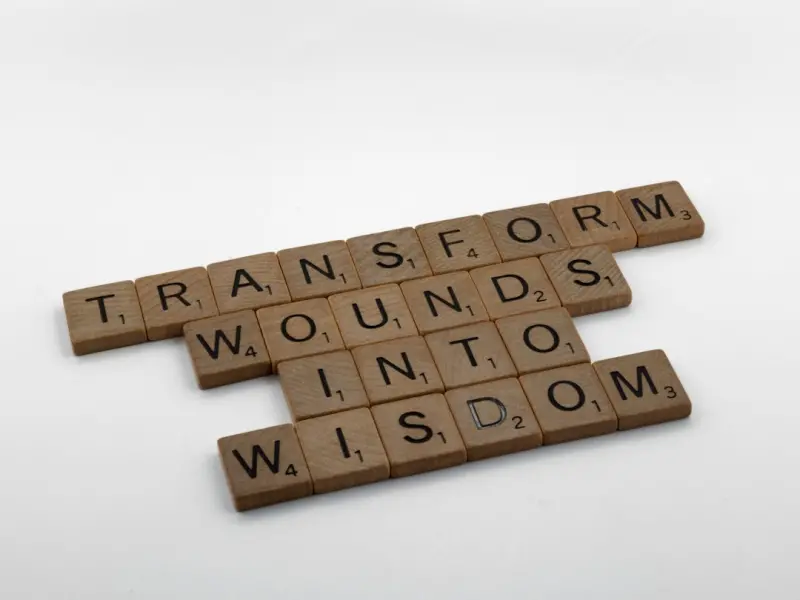
Transforming Autoimmune Challenges into Strategic Advantages
This article reveals a fresh, data‑driven approach to managing autoimmune disease, showing how per... Read More

Navigating Autoimmune Waters with Data: Building Your Personal Health Dashboard
By turning the body into a source of real‑time data, this post guides autoimmune patients on build... Read More

Invisible Triggers: Mapping Your Environment to Tame Autoimmune Flares
Learn how indoor air, chemicals, light, and mold can fuel autoimmune flare‑ups and get a simple th... Read More
Top Posts

When the Night’s Shadows Spark Unexpected Light
Sleep terrors are more than frightening moments; they can reveal hidden stress, boost creativity, and guide lifestyle tweaks. This article unpacks the brain’s...Read More

Deb Roberts’ Holistic Blueprint for Real‑World Weight Loss Success
Deb Roberts shares a holistic, science‑backed weight‑loss plan that balances gut health, liver support, and mindset, offering sustainable results beyond qui...Read More

Turn Down the Noise: Auditory Hacks to Tame Insomnia
A practical guide to using pink noise, binaural beats, and nature sounds—combined with dim lighting and breathing exercises—to calm the mind and conquer ins...Read More

Redefining Women’s Health With Real‑Time Hormone Tracking
Real‑time hormone tracking moves women’s health from a static calendar to a dynamic, data‑driven conversation, empowering personalized nutrition, exercise...Read More
0 Comments
Post Comment
You will need to Login or Register to comment on this post!