
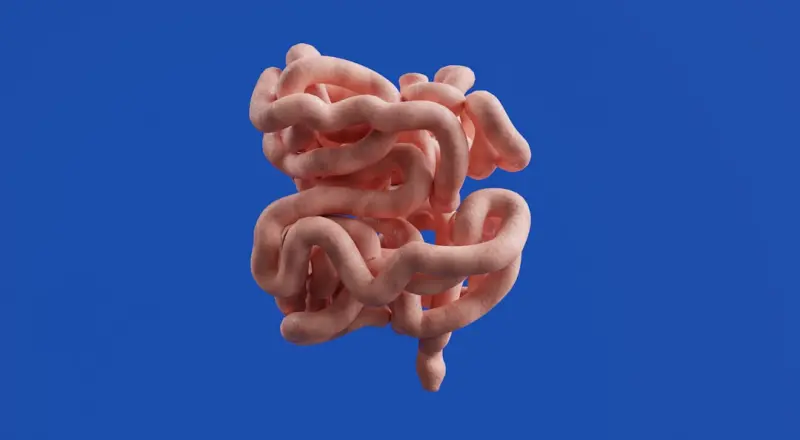
Imagine your brain as a high‑performance engine, humming smoothly when the fuel is pure, the air is clean, and the timing is perfect. Now picture the same engine sputtering because the fuel mixture is off‑balance. In the realm of neuroscience, that “fuel” isn’t gasoline—it’s the trillions of microbes living in your gut, collectively known as the gut microbiome. While most of us think of brain health in terms of puzzles, supplements, or cardio, the reality is that the gut‑brain axis is a two‑way street where the state of our intestinal ecosystem can dramatically influence cognition, mood, and long‑term neural resilience.
Why the Gut‑Brain Axis Matters More Than You Think
For decades, researchers have known that the vagus nerve provides a direct highway between the gut and the brain. Recent breakthroughs, however, have revealed that this connection is far more intricate than a simple electrical conduit. Microbial metabolites—short‑chain fatty acids (SCFAs) like butyrate, propionate, and acetate—cross the blood‑brain barrier and act as signaling molecules that regulate neuroinflammation, neurogenesis, and synaptic plasticity.
In practical terms, an imbalance in these metabolites can manifest as:
- Foggy thinking and reduced processing speed
- Heightened anxiety and mood swings
- Impaired memory consolidation
- Long‑term vulnerability to neurodegenerative diseases
Conversely, a thriving, diverse microbiome can enhance focus, support emotional regulation, and even bolster the brain’s capacity to form new connections—a phenomenon known as neuroplasticity.
Four Pillars of a Brain‑Friendly Microbiome
Building a gut environment that fuels cognition isn’t about a single miracle food or a trendy supplement. It’s a holistic practice built on four interlocking pillars: diversity, fiber, fermented foods, and stress management.
1. Diversity is the Bedrock
The most resilient microbiomes are the most diverse. Think of a rainforest: the greater the variety of plant and animal life, the more stable the ecosystem. In the gut, a diverse microbial community can adapt to dietary changes, fend off pathogens, and produce a broader spectrum of beneficial metabolites.
To nurture diversity, rotate your protein sources (fish, legumes, pasture‑raised poultry) and experiment with a wide array of plant foods—especially those with distinct phytonutrient profiles like purple cabbage, turmeric, and seaweed.
2. Fiber: The Fermentation Fuel
Fiber isn’t just “roughage” for regularity; it’s the primary substrate for microbial fermentation. Soluble fibers (found in oats, beans, and apples) dissolve in water and become a feast for SCFA‑producing bacteria. Insoluble fibers (whole‑grain wheat bran, nuts, and seeds) add bulk and help maintain gut motility.
Aim for at least 30 grams of fiber daily, and consider a “prebiotic power hour” where you combine a handful of berries, a tablespoon of ground flaxseed, and a splash of kefir. This combo supplies both soluble fibers and fermentable sugars that spark microbial fireworks.
3. Fermented Foods: Direct Microbial Inoculation
While prebiotics feed existing microbes, fermented foods introduce new, beneficial strains straight into the gut. Yogurt, kimchi, sauerkraut, miso, and kombucha are rich in Lactobacillus, Bifidobacterium, and other lactic‑acid bacteria that have been shown to reduce cortisol levels and improve mental clarity.
Start modestly—one small serving a day—to avoid overwhelming your system. Over time, you’ll notice a smoother digestive rhythm and a steadier mood.
4. Stress Management: The Silent Saboteur
Chronic stress releases cortisol, which can alter gut permeability (“leaky gut”) and shift the microbial balance toward inflammation‑promoting species. Simple practices like deep‑breathing, short walks in nature, or a few minutes of mindfulness can mitigate this effect. If you’re already familiar with the power of micro‑rituals, you might recall Reclaiming Mental Space: Micro‑Rituals for a Fog‑Free Mind, which outlines bite‑sized habits that calm the nervous system and indirectly support gut health.
From Plate to Prefrontal Cortex: How Specific Foods Talk to Your Brain
Not all foods are created equal in the gut‑brain dialogue. Some act as “neuro‑nourishers” by directly influencing neurotransmitter pathways. Below is a quick guide:
- Omega‑3‑rich fish (salmon, sardines) – Provide DHA, a building block for neuronal membranes.
- Polyphenol‑dense berries (blueberries, blackcurrants) – Feed beneficial bacteria and reduce oxidative stress.
- Turmeric (curcumin) – Modulates gut inflammation and boosts BDNF, a protein crucial for learning.
- Dark chocolate (≥70% cacao) – Contains flavonoids that enhance blood flow to the hippocampus.
If you want a deeper dive into how taste and texture can be engineered to train your brain, check out Flavor Architecture: Nutrition That Trains Your Brain. The article explores how culinary design can synergize with the microbiome to amplify cognitive outcomes.
Practical 7‑Day Gut‑Brain Reset Plan
Implementing change can feel daunting, so here’s a realistic weekly roadmap that aligns with the four pillars. Adjust portions based on your caloric needs, but keep the core concepts intact.
- Day 1 – Fiber Focus: Breakfast—overnight oats with chia seeds, blueberries, and almond milk. Lunch—lentil soup with kale. Dinner—quinoa bowl with roasted veggies and a side of kimchi.
- Day 2 – Fermentation Boost: Add a serving of kefir or kombucha to your morning routine. Snack on a small portion of sauerkraut with avocado toast.
- Day 3 – Diversity Day: Rotate protein to grass‑fed beef, then incorporate a plant‑based protein like tempeh for dinner. Include a side of seaweed salad.
- Day 4 – Stress‑Lite: Begin the day with a 5‑minute breathing exercise. Take a 15‑minute walk outdoors after lunch. End with a short gratitude journal.
- Day 5 – Omega‑3 Power: Grill salmon for dinner; drizzle with lemon‑tahini sauce. Pair with steamed broccoli and sweet potato.
- Day 6 – Polyphenol Party: Snack on dark chocolate and a handful of walnuts. Add a turmeric‑spiced lentil stew for lunch.
- Day 7 – Reflect & Reset: Review your energy levels, mood, and mental clarity. Note any patterns—perhaps you felt sharper after Day 2’s fermented foods. Plan the next week’s menu based on those insights.
Consistency is the secret sauce. Even if you can’t follow the plan perfectly, the habit of prioritizing gut‑friendly foods and stress‑reducing practices will gradually shift your microbial landscape toward a brain‑boosting equilibrium.
The Science‑Backed Benefits You’ll Notice
Within a few weeks of adopting a gut‑centric regimen, many report:
- Improved focus—tasks that previously felt mentally draining become more manageable.
- Stabilized mood—fewer mood swings and a smoother emotional baseline.
- Better sleep quality—thanks to the production of serotonin, a precursor to melatonin.
- Enhanced memory recall—especially short‑term recall during work meetings.
These outcomes aren’t just anecdotal. A 2022 meta‑analysis of 31 randomized controlled trials found that probiotic supplementation improved attention and working memory scores by an average of 12% compared with placebo groups. While supplements can be a useful adjunct, whole‑food strategies remain the most sustainable path.
Potential Pitfalls and How to Navigate Them
Even with the best intentions, certain missteps can blunt the benefits:
- Over‑reliance on processed “prebiotic” powders—they may lack the complex fiber matrix needed for diverse microbial fermentation.
- Neglecting hydration—SCFA production generates acids; adequate water intake helps buffer pH and supports gut lining integrity.
- Ignoring individual sensitivities—Some people experience temporary bloating when increasing fermentable fibers; start slowly and monitor symptoms.
Remember the principle of “slow and steady wins the race.” Your microbiome, like any ecosystem, needs time to adapt and flourish.
Measuring Progress: From Subjective Feelings to Objective Data
While you might initially gauge success by how clear your thoughts feel, you can also employ low‑cost metrics to track change:
- Stool consistency chart (Bristol Stool Scale)—aim for types 3–4 for optimal transit.
- Daily mood & focus journal—rate clarity on a 1‑10 scale each evening.
- Home test kits—some companies now offer microbiome sequencing at a reasonable price, providing a snapshot of diversity and dominant strains.
Collecting this data empowers you to iterate on your diet and lifestyle, much like a scientist refining an experiment.
Future Frontiers: Personalized Microbiome‑Based Brain Health
Artificial intelligence and machine learning are already being applied to microbiome datasets, allowing for highly personalized recommendations. Imagine an app that, after analyzing your stool sample, suggests specific fermented foods, fiber ratios, and even timing of meals to sync with your circadian rhythm—optimizing both digestion and cognitive performance.
While we’re not quite there yet for the average consumer, early pilots show promising results: participants receiving AI‑driven diet plans reported a 15% increase in working memory scores over a 12‑week period.
Takeaway: Your Brain Deserves a Microbial Ally
In a world obsessed with nootropics, brain‑training apps, and endless productivity hacks, the most potent, low‑tech brain booster sits quietly in your belly. By feeding the right microbes, you create an internal environment that supports neurochemical balance, reduces inflammation, and fuels neurogenesis.
Start small—add a spoonful of kefir, swap a processed snack for an apple, or take a breath before your next email. Over time, these micro‑adjustments compound, turning your gut into a launchpad for sharper thinking, steadier mood, and a brain that ages with grace.

Tom Ferguson is a Canadian freelance writer with a passion for storytelling, current events, and thoughtful commentary. Drawing on years of writing experience, he shares engaging insights on a wide range of topics, bringing a uniquely Canadian perspective to his work.
Related Posts

Neuro‑Fitness: Building Brain Strength with Adaptive Learning Loops
Adopt a fitness mindset for your brain: discover micro‑learning sprints, adaptive difficulty, move... Read More
Rewilding Your Brain: How Nature Restores Cognitive Vitality
Exploring the science behind nature's impact on the brain, this article offers practical ways to int... Read More
Unlocking Brain Plasticity Through Intermittent Novelty
Intermittent novelty—deliberate, spaced bursts of new experiences—acts like high‑intensity int... Read More
Top Posts

The Complex Relationship Between Eating Disorders and Holistic Wellness
Eating disorders are complex mental health conditions that require a comprehensive approach to treatment. Learn how holistic wellness practices can support reco...Read More

How to Keep Blood Sugar Steady While Juggling a High‑Tempo Remote Career
Discover a three‑pillar system—macro‑timing, real‑time data, and environmental tweaks—to manage blood sugar, enhance focus, and sustain performance in...Read More

Revitalize Your Body: A Holistic Detox Journey
A holistic detox isn’t a crash diet—it's a daily ritual of nourishing foods, mindful movement, and supportive practices that empower your body to cleanse an...Read More

The Ice‑Breaker: How Cold Exposure Supercharges Men’s Health
Cold exposure isn’t a trendy gimmick—it’s a proven, ancient method that can raise testosterone, improve metabolism, and sharpen mental focus. Learn a simp...Read More
0 Comments
Post Comment
You will need to Login or Register to comment on this post!