
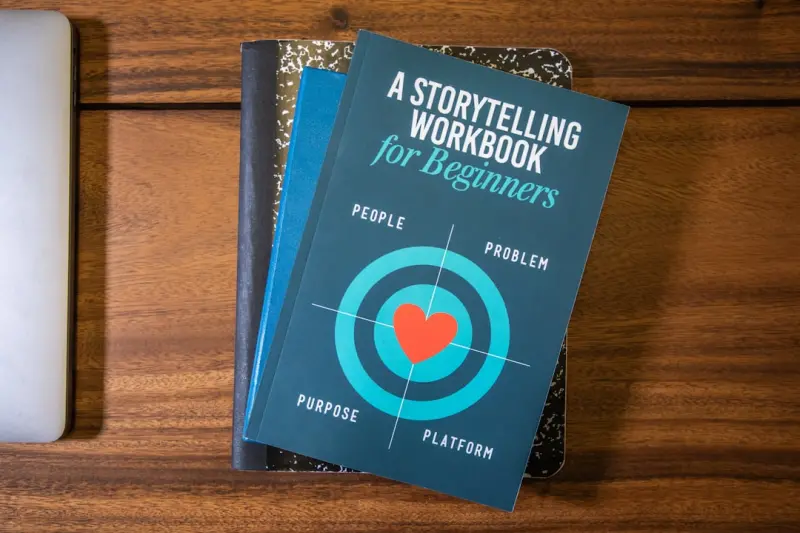
When I first started exploring the science of aging, I was dazzled by the endless list of diets, supplements, and gadgets promising a longer, healthier life. Yet, amid the noise, a quieter truth kept resurfacing in my conversations with older friends, mentors, and even strangers in the park: the most powerful antidote to cognitive decline isn’t a pill or a protocol—it’s the habit of continually shaping and reshaping our personal story.
The Narrative Engine: Why Storytelling Fuels Brain Health
Our brains are wired for patterns. From the moment we can speak, we organize experience into cause‑and‑effect arcs, assigning meaning to moments that might otherwise be random. Neuroscientists now know that this narrative processing activates the prefrontal cortex, the hippocampus, and the default mode network—all regions critical for memory consolidation and executive function. In simple terms, when we weave our lives into stories, we give our neurons a workout that’s more nuanced than a crossword puzzle.
But there’s a catch: the brain thrives on novelty. A story that never changes becomes a static script, and the neural pathways supporting it grow stale. This is why re‑authoring—the act of revisiting, revising, and expanding our personal narratives—acts as a natural form of mental “strength training.”
From Memory Lane to Memory Lab: Turning Everyday Moments into Narrative Experiments
Below are practical ways to convert routine experiences into story‑building exercises. Each method can be tailored to any lifestyle, whether you’re a retiree with a garden, a remote worker, or a grandparent juggling school runs.
- Chronicle Micro‑Milestones. Instead of waiting for big events (birthdays, anniversaries), jot down the subtle victories of the day—a new recipe you tried, a surprising conversation with a neighbor, a moment you felt genuinely curious. Over a week, these snippets become a tapestry that your brain treats as a series of mini‑adventures.
- Swap Roles in Your Own Tale. Write a short paragraph describing a recent challenge from three perspectives: your current self, your 20‑year‑old self, and your future 80‑year‑old self. This mental “role‑play” forces you to re‑evaluate assumptions and strengthens perspective‑taking circuits.
- Embed Sensory Detail. The richer the sensory description (smell of fresh basil, the feel of morning dew), the deeper the encoding in the hippocampus. When you replay a story in your head, include at least one sensory cue; it anchors the memory and makes it more vivid.
Micro‑Projects: Small Creative Quests that Keep the Narrative Engine Running
Research on neuroplasticity shows that learning a new skill, even at a modest level, stimulates the production of brain‑derived neurotrophic factor (BDNF), a protein that supports neuron growth. The key is to choose projects that are both meaningful and manageable. Here are five ideas that blend purpose with novelty:
- Legacy Photo Essays. Select 10 photos from different decades of your life. Write a one‑sentence caption that captures the emotional core of each moment. Compile them into a digital album and share with family. This exercise reinforces episodic memory while creating a tangible artifact.
- Neighborhood Sound Mapping. Spend an hour each week recording ambient sounds—children playing, a distant train, birdsong. Later, write a short “soundscape story” describing how those noises reflect your community’s rhythm. Auditory processing engages additional cortical areas, broadening the brain’s network.
- Recipe Remix. Take a family favorite dish and experiment with one new ingredient or technique each month. Document the process, noting the taste, texture, and the feelings it evokes. Food, culture, and creativity intersect here, reinforcing the gut‑brain connection.
- Mini‑Mentor Sessions. Offer a 30‑minute skill‑share with a younger neighbor or colleague—whether it’s knitting, budgeting, or storytelling. Teaching solidifies your own knowledge and triggers dopamine release, the brain’s “reward” neurotransmitter.
- Micro‑Travel Journals. Even a stroll down a new street counts. Sketch the architecture, note a quirky shop sign, and write a brief vignette about the people you imagine living there. Spatial navigation combined with imagination activates the parietal lobes.
Each micro‑project is a narrative seed. When you revisit, expand, or share it, you’re essentially watering a mental garden that keeps blooming throughout the years.
Social Story Circles: The Collective Power of Shared Narrative
Humans are inherently social storytellers. A story circle—a small, regular gathering where participants exchange personal anecdotes—creates a feedback loop of empathy, memory reinforcement, and emotional regulation. Studies have shown that older adults who engage in frequent group storytelling demonstrate slower cognitive decline and higher levels of serum oxytocin, the “bonding hormone.”
Starting a story circle is straightforward:
- Invite 4‑6 friends or neighbors with a shared interest (gardening, books, local history).
- Set a consistent schedule (e.g., first Thursday of each month) and a brief theme (“first day at a new job,” “a moment of unexpected kindness”).
- Rotate the role of “narrator” and “listener,” encouraging each person to ask open‑ended questions that deepen the tale.
- Document the stories—via voice notes, handwritten journals, or a shared Google Doc—so they become part of a growing archive.
Beyond the cognitive boost, these circles nurture a sense of belonging, a crucial factor in longevity. Loneliness is a proven risk factor for accelerated aging, comparable to smoking or obesity. By weaving yourself into a fabric of shared stories, you counteract that risk.
Building a Personal Archive: The Digital Memory Vault
In the era of cloud storage, preserving stories has never been easier. A “digital memory vault” doesn’t have to be a sprawling database; a simple, well‑organized folder structure suffices. Here’s a quick blueprint:
- Categories. Create main folders: Family & Friends, Travel & Places, Food & Recipes, Projects & Hobbies, Reflections.
- Metadata. For each file (photo, audio, text), add tags like date, location, emotion, and a short keyword. This makes retrieval a breeze and reinforces associative memory when you later search.
- Periodic Review. Set a quarterly reminder to revisit the vault, add new entries, and reflect on patterns. This “memory audit” is a structured way to practice narrative revision.
When you pair this archive with the concept of gut as a cognitive powerhouse, you’ll notice how sensory details (taste, smell) become richer in your recollections. Feeding both gut health and narrative richness creates a virtuous loop for mental clarity.
The Stress‑Story Connection: Turning Challenge into Narrative Fuel
Stress is often painted as the villain of aging, but not all stress is created equal. Hormetic mastery—the practice of applying low‑dose, manageable stressors—can actually fortify the brain. When you frame a stressor as a plot twist in your life story, you shift perception from threat to opportunity, reducing cortisol spikes and enhancing resilience.
Practical ways to harness this:
- Cold‑Shower Chapters. Treat each brief cold shower as a “heroic initiation” scene. Note the immediate sensations, the breath work, and the after‑glow of accomplishment.
- Timed Brain‑Bends. Set a timer for 5 minutes of a challenging puzzle (Sudoku, a language app). View it as the “climactic conflict” that your protagonist must solve.
- Physical Micro‑Adventures. Take a short, unfamiliar walking route. Observe how the new environment creates suspense and curiosity, both of which stimulate neurogenesis.
By embedding these stressors within a narrative framework, you diminish the anxiety associated with them and amplify their neuroprotective benefits.
Action Blueprint: 30‑Day Narrative Revitalization Challenge
Ready to put theory into practice? Here’s a simple, 30‑day roadmap that integrates the concepts above. Feel free to adjust the timeline to match your schedule.
- Day 1‑5: Capture Micro‑Milestones. Keep a pocket notebook or a notes app. Record three small moments each day, focusing on sensory detail.
- Day 6‑10: Launch a Story Circle. Invite a small group, set a theme, and hold the first meeting. Record the session (with consent) for later reflection.
- Day 11‑15: Initiate a Micro‑Project. Choose one of the five ideas listed earlier and begin. Document progress daily.
- Day 16‑20: Build Your Archive. Transfer the week’s notes, photos, and recordings into a structured digital folder. Add tags and a brief reflective paragraph.
- Day 21‑25: Reframe Stress. Identify one source of mild stress (e.g., a tight deadline). Write a short “heroic” narrative around confronting it, then execute the stressor with intention.
- Day 26‑30: Review & Revise. Revisit your archive, select a favorite story, and rewrite it from a different perspective (past, present, future). Share the revised version with your story circle.
By the end of the month, you’ll have a richer personal narrative, a growing archive, and a set of mental habits that keep your brain agile. More importantly, you’ll have turned the abstract concept of “healthy aging” into a lived, story‑driven experience.
Closing Thought: The Endless Chapter
Age isn’t a static number; it’s a series of chapters you author each day. The more you engage with the act of storytelling—alone, with others, through projects, and even through the strategic use of stress—the more you reinforce the neural pathways that keep cognition bright and resilient. So, pick up that pen, open that voice‑memo app, and start writing the next page of your vibrant, ever‑evolving life.

Sarah Gray is a proud Canadian who calls Brampton home, where she lives with her husband, Paul. A passionate home cook and gifted storyteller, Sarah loves creating delicious recipes and sharing stories inspired by everyday life, family, and cherished experiences. When she isn't experimenting in the kitchen, she's busy crafting engaging content that reflects her warmth, creativity, and love of connection. Above all, Sarah treasures time spent with her grandchildren, embracing every opportunity to create lasting memories with the people she loves most.
Related Posts

Curiosity as a Longevity Engine: How Learning Keeps You Young
Curiosity isn’t just a mental pastime—it’s a powerful anti‑aging tool. Discover how asking q... Read More
Embracing Vibrant Longevity: A Holistic Guide to Healthy Aging
A personal, science‑backed guide to thriving later in life—covering nutrition, movement, sleep, ... Read More

Tiny Trips, Big Gains: Redefining Healthy Aging Through Weekly Micro‑Adventures
Micro‑adventures—short, intentional outings—combine movement, curiosity, and social connection... Read More
Top Posts

Breathwork and Rhythm: A Fresh Path to Balanced Blood Sugar
Learn a simple, sustainable approach to blood sugar management using breathwork, rhythmic movement, and community support for lasting metabolic balance....Read More
Social Rhythm & Purpose: Keys to Longevity
Longevity isn’t just about diet and exercise; it’s driven by the quality of our social rhythm and the depth of our purpose. This article reveals science-bac...Read More
Microbiome Reset: A New Frontier in Body Detox
A gut‑focused approach to detox offers lasting results. Learn practical ways to diversify your microbiome, incorporate fermented foods, manage stress, and tra...Read More
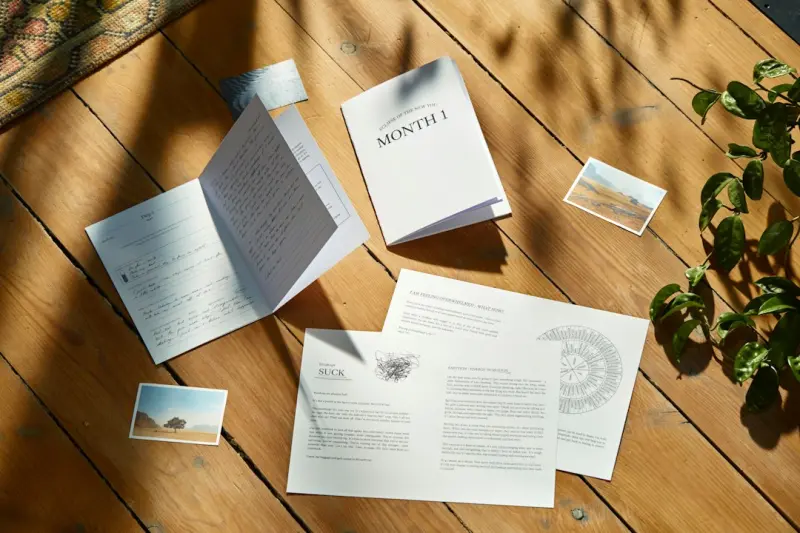
Micro‑Creative Rituals: Tiny Daily Practices That Supercharge Your Brain
Micro‑creative rituals—simple, daily acts like doodling or humming—activate the brain’s reward system and strengthen neural pathways, offering a practic...Read More
0 Comments
Post Comment
You will need to Login or Register to comment on this post!