
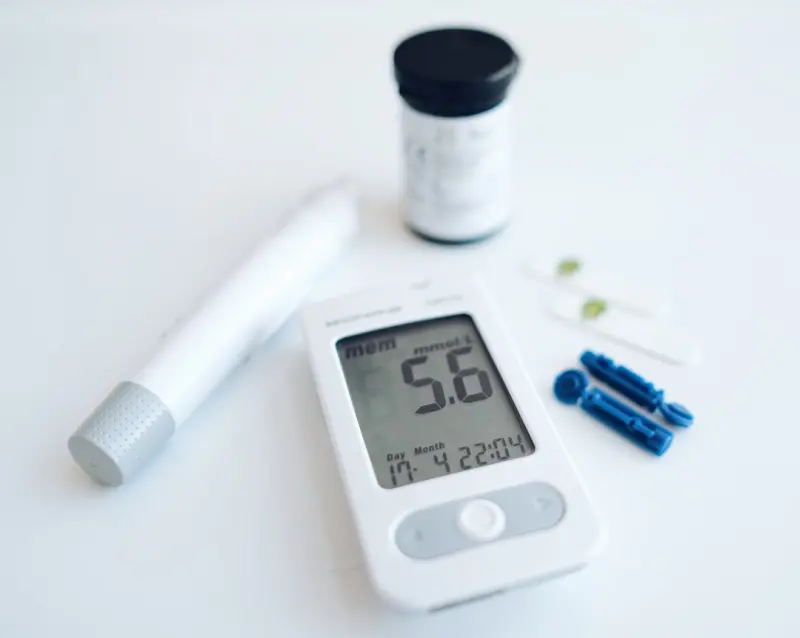
When I first learned that my fasting glucose hovered just above the normal range, the label “prediabetes” felt like a vague warning sign—something I could ignore until it turned into a full‑blown emergency. Over the past few years, I’ve turned that uneasy feeling into a laboratory for experiments, tweaking tiny daily choices and watching the numbers shift in real time. This post is a deep dive into the practical, science‑backed strategies that helped me move the needle, and it’s designed for busy professionals who need results without a massive overhaul.
The Hidden Architecture of Blood Sugar
Most of us think of glucose as a simple “fuel” that spikes after a carb‑heavy lunch and drops after a jog. In reality, it’s part of a complex network that includes insulin sensitivity, hepatic glucose output, and even the gut microbiome. When one piece of that architecture is out of sync, the whole system can wobble, landing you squarely in the prediabetic zone.
Key takeaway: Small, targeted interventions can restore balance faster than you’d expect—if you understand which lever to pull.
1. Re‑engineer Your Meal Timing, Not Just Your Meal Content
We’ve all heard the mantra “eat less, move more.” While useful, it misses the timing factor that modern research highlights. Your body’s insulin response follows a circadian rhythm, meaning the same breakfast can provoke a dramatically different glucose spike depending on when you eat it.
- Early‑day advantage: Consuming the bulk of your carbs before noon aligns with peak insulin sensitivity, reducing post‑meal glucose spikes.
- Evening caution: A carbohydrate‑rich dinner can keep your liver releasing glucose overnight, sabotaging fasting glucose readings.
- Strategic fasting windows: Even a modest 10‑hour eating window (e.g., 8 am–6 pm) can improve fasting glucose by 5‑10 % within weeks.
Experiment with a simple protocol: shift a typical evening snack to a mid‑morning bite and monitor how your glucose trends respond. The data often surprises you.
2. Harness the Power of Continuous Glucose Monitoring (CGM)
Traditional finger‑stick tests give you a snapshot; a CGM provides a movie. By wearing a sensor for 10‑14 days, you can see the exact impact of each meal, stress episode, or walk on your glucose curve. The visual feedback turns abstract concepts into tangible cause‑and‑effect relationships.
When I first strapped a CGM on, the spikes after a seemingly “healthy” smoothie (loaded with fruit juice) were eye‑opening. By swapping that for a low‑glycemic berry blend with added protein, my post‑drink peak dropped by nearly 30 %.
Use the CGM data to answer three essential questions:
- Which meals cause the highest peaks?
- How does stress (like a tight deadline) affect my glucose?
- Do short walks after meals flatten the curve?
Armed with this insight, you can fine‑tune your diet and activity with surgical precision.
3. Upgrade Your Gut: The Microbiome‑Glucose Connection
While many focus solely on diet, the community of microbes in your intestines plays a pivotal role in how you process carbohydrates. Certain bacterial strains produce short‑chain fatty acids that enhance insulin sensitivity, while others can promote inflammation and insulin resistance.
Investing in gut health is a low‑risk, high‑reward strategy for prediabetes. Here’s a three‑step plan:
- Fiber first: Aim for 30‑35 g of soluble fiber daily (think oats, chia seeds, and legumes). This feeds beneficial bacteria.
- Fermented foods: Incorporate a serving of kimchi, sauerkraut, or kefir each day to introduce live cultures.
- Targeted pre‑biotics: Supplements like inulin or resistant starch can further boost the populations of glucose‑regulating microbes.
Curious about the science behind this? Check out our deep dive on the gut microbiome connection for a richer explanation.
4. Optimize Your Sleep Architecture
Sleep isn’t just a recovery period; it’s a metabolic reset button. Even a 30‑minute reduction in deep‑sleep duration can blunt insulin sensitivity by up to 15 %. If you’re a night‑owl, consider a gradual shift toward a consistent bedtime that allows 7‑8 hours of uninterrupted sleep.
Practical sleep hacks for glucose control:
- Dim lights an hour before bed to support melatonin production.
- Avoid screens (or use blue‑light filters) after 9 pm.
- Incorporate a brief, mindful breathing routine to lower cortisol spikes that can raise blood sugar.
When your sleep improves, you’ll notice a calmer morning glucose reading, often without changing any food choices.
5. Move Smart, Not Just Hard
High‑intensity interval training (HIIT) is often touted for fat loss, but a modest 10‑minute brisk walk after meals can be equally potent for glucose regulation. The post‑prandial walk triggers muscle uptake of glucose independent of insulin, flattening the spike.
Design a “movement micro‑routine” that fits into your workday:
- Stand and stretch for 2 minutes every hour.
- Take a 5‑minute hallway walk after lunch.
- Finish the day with a 10‑minute low‑impact cardio session (e.g., stationary bike or elliptical).
These brief bouts accumulate, creating a metabolic “boost” that helps keep your blood sugar steady.
6. Stress Management: The Silent Glucose Saboteur
Chronic stress releases cortisol, a hormone that drives the liver to dump glucose into the bloodstream. Unlike a coffee‑induced spike, cortisol‑driven elevations linger for hours, making them harder to spot.
Implement a “stress‑buffer” routine:
- Micro‑meditation: 2‑minute focus sessions using a breathing app (e.g., box breathing).
- Physical reset: A 5‑minute stretch or yoga flow when you feel tension building.
- Digital detox: Schedule two 15‑minute “screen‑free” windows each day to lower mental fatigue.
Even small, consistent practices can blunt the cortisol surge and, by extension, improve fasting glucose.
7. Leverage Data‑Driven Nutrition Apps
Modern nutrition platforms now integrate CGM data, giving you a real‑time view of how specific foods affect your glucose. When paired with a barcode scanner, you can log meals instantly and see predicted glucose curves before you even take a bite.
Pick an app that offers:
- Automated carbohydrate counting.
- Personalized insulin sensitivity scoring.
- Trend analysis that highlights “problem foods.”
These tools take the guesswork out of meal planning, turning your kitchen into a lab where you can test hypotheses and iterate quickly.
8. The Role of Hydration and Electrolytes
Dehydration can concentrate blood glucose, making levels appear higher. Aim for at least half your body weight in ounces of water daily, and consider adding a pinch of sea salt or a magnesium supplement if you’re active. Proper electrolyte balance supports cellular glucose uptake, especially after exercise.
9. Community Accountability
Going solo can be tempting, but a support network accelerates progress. Whether it’s a workplace wellness group, an online forum, or a buddy who also tracks their glucose, sharing data and tips creates a feedback loop that keeps you motivated.
Set a weekly “data‑share” meeting where each member presents one win (e.g., a meal that lowered post‑prandial spikes) and one challenge. The collective insight often uncovers solutions you’d never think of on your own.
10. Reframe the Narrative: From “Prediabetes” to “Metabolic Optimization”
Labels matter. Instead of seeing prediabetes as a looming diagnosis, treat it as a signal that your metabolic engine needs tuning. This mindset shift turns anxiety into curiosity, making the journey feel like a purposeful experiment rather than a punitive regimen.
When you adopt the “optimization” lens, you’ll find yourself more eager to test new strategies, celebrate incremental wins, and, ultimately, sustain the changes that keep your glucose in the healthy zone.
Putting It All Together: A 30‑Day Action Blueprint
Below is a concise, day‑by‑day roadmap you can follow. Adjust the timings to fit your schedule, but keep the core principles intact.
- Days 1‑3: Set up a CGM and log baseline glucose for three days. Note meal times, sleep, and stress events.
- Days 4‑7: Shift your largest carb intake to before noon. Add a 10‑minute post‑lunch walk.
- Days 8‑14: Introduce a daily serving of fermented food and increase soluble fiber to 30 g.
- Days 15‑21: Implement a consistent bedtime routine: dim lights, no screens after 9 pm, 7‑8 hours sleep.
- Days 22‑28: Begin micro‑meditation sessions twice daily and schedule a weekly data‑share with a peer.
- Days 29‑30: Review CGM trends, identify top three “spike triggers,” and plan next‑month tweaks.
At the end of the month, you should see a measurable drop in fasting glucose and a smoother post‑prandial curve—proof that your body responded to the targeted adjustments.
Future‑Proofing Your Metabolism
Prediabetes isn’t a permanent label; it’s a reversible state if you treat it with data, intention, and consistency. As new research emerges—think AI‑driven nutrition recommendations or personalized microbiome therapeutics—your foundational habits will allow you to integrate those advances seamlessly.
For a broader perspective on how emerging tech is reshaping health, you might explore our piece on AI‑powered physiotherapy. While not directly about glucose, the underlying principle of personalized data streams applies across the board.
Remember, the journey from prediabetes to metabolic confidence is less about dramatic overhauls and more about the cumulative impact of small, evidence‑based tweaks. By treating each day as a lab experiment, you turn uncertainty into actionable insight—and that, to me, is the most empowering outcome.

Related Posts

Community Challenges: Turning Prediabetes Data into Collective Momentum
A data‑rich but isolated approach often stalls prediabetes management. This post shows how a struc... Read More

Game On: Turning Prediabetes Management into a Playful Challenge
Learn to treat prediabetes like a game—using points, quests, leaderboards, and real‑time feedbac... Read More

From Diagnosis to Daily Wins: My Personal Playbook for Managing Prediabetes
A firsthand guide turning a prediabetes label into actionable daily wins through mindset shifts, com... Read More
Top Posts

Tech‑Driven Sleep Terrors: Unraveling Modern Nighttime Fears
In this deep dive, Sarah Gray uncovers the hidden ways technology, diet, and daily stress spark sleep terrors, then offers actionable, low‑tech rituals to soo...Read More

Fueling the Night: Nutrition Strategies for After-Hours Professionals
A deep‑dive into the science and habits that help night‑shift professionals eat smarter, stay alert, and safeguard long‑term wellness through targeted foo...Read More

Smart Spaces: Crafting a Narcolepsy‑Friendly Home for Safety and Serenity
Learn how to transform your living space into a safe, supportive environment for narcolepsy, with tips on layout, lighting, furniture, tech tools, and daily rou...Read More

The First 100 Days: Tiny Levers That Shape Lifelong Infant Health
A practical guide to using infant massage, responsive rhythms, sensory‑friendly spaces, community challenges, and nutrition to give babies a robust health fou...Read More
0 Comments
Post Comment
You will need to Login or Register to comment on this post!