

When I first got the call that my fasting glucose was nudging the prediabetes line, my mind immediately raced to the usual suspects—counting carbs, hitting the gym, or signing up for the latest “miracle” supplement. What I didn’t consider was that the biggest lever might already be turning itself off every night: my sleep.
Why Sleep Isn’t Just Rest—It’s Metabolic Maintenance
Think of your body as a high‑performance car. You wouldn’t expect it to run smoothly if you kept the engine idling all night. Similarly, during sleep your liver, pancreas, and muscles go into a coordinated “maintenance mode” that calibrates insulin sensitivity and balances glucose production. When sleep is fragmented or too short, that calibration drifts, and your blood sugar starts to creep upward—even if you’re eating the same meals you always have.
The Hormonal Symphony That Plays After Dark
Three hormones dominate the nighttime stage:
- Cortisol – usually peaks in the early morning to help you wake up. Poor sleep keeps cortisol elevated into the evening, prompting your liver to release extra glucose.
- Growth hormone – released in deep sleep, it encourages the uptake of glucose into muscle and supports fat metabolism.
- Leptin and ghrelin – the “fullness” and “hunger” hormones. Sleep deprivation lowers leptin and raises ghrelin, nudging you toward late‑night snacking that spikes blood sugar.
When any part of this hormonal orchestra is off‑beat, your body’s ability to manage glucose falters, setting the stage for prediabetes to solidify.
Common Sleep Pitfalls That Sneak Up on Your Glucose
Even if you’re clocking eight hours, the quality of those hours matters. Here are the usual suspects:
- Screen glare – blue light from phones and laptops suppresses melatonin, the hormone that tells your body it’s time to wind down.
- Irregular bedtime – hopping between 10 p.m. and 2 a.m. confuses your circadian rhythm, making insulin less responsive.
- Late‑night caffeine or alcohol – both can fragment sleep stages, especially REM, which is crucial for hormonal balance.
- Bedroom temperature – a room that’s too hot or too cold disrupts the natural drop in core body temperature that signals sleep onset.
Nighttime Rituals That Reset Your Metabolism
Below are a set of actionable, low‑tech habits you can start tonight. I call them “Sleep‑Smart Swaps.” Each one targets a specific hormonal pathway, giving your body the best chance to keep glucose in check.
1. Dim the Screens, Not the Mood
About 30 minutes before bed, swap your phone for a dim amber lamp. If you need to stay connected, use digital boundaries to set a “no‑screen after 9 p.m.” rule. Even a brief period of reduced blue light lets melatonin rise, which in turn curtails cortisol spikes.
2. Anchor Your Clock with a Consistent Bedtime
Pick a time that feels natural—maybe 10 p.m.—and stick to it, even on weekends. Consistency reinforces your circadian clock, which optimizes insulin sensitivity in the early morning. If you’re a night owl, gradually shift your bedtime earlier by 15‑minute increments each few days.
3. Create a Temperature‑Friendly Sanctuary
Set your bedroom thermostat between 60‑67 °F (15‑19 °C). If you’re prone to getting cold, use a light blanket rather than a heavy duvet. The slight cooling triggers a drop in core body temperature, a signal that tells your brain you’re ready for deep, restorative sleep.
4. Adopt a “Wind‑Down” Snack That Won’t Spike Sugar
Choose a small protein‑rich snack—think a handful of almonds or a slice of cottage cheese with cinnamon. The protein steadies blood sugar, while cinnamon has modest evidence for improving insulin sensitivity. Avoid carbs and sugary foods that can cause a post‑snack glucose surge.
5. Light Stretch or micro‑movement Session
Gentle yoga poses or a five‑minute walk can lower cortisol and prime the release of growth hormone during the first stage of deep sleep. No heavy lifting—just slow, controlled movement that encourages relaxation.
6. Mindful Breathing or Guided Meditation
Five minutes of diaphragmatic breathing (inhale for 4 counts, hold 2, exhale for 6) activates the parasympathetic nervous system, reducing stress hormones that otherwise sabotage glucose regulation.
Nutrition Timing: The Evening Edge
What you eat—and when—can either fuel your sleep or sabotage it. Here are three evidence‑backed tweaks:
- Finish the biggest meal by 7 p.m. Digesting a large dinner late can keep your metabolism revved, delaying the natural dip in blood sugar that occurs overnight.
- Embrace “fiber‑first” meals. Starting dinner with a salad or broth‑based soup slows carbohydrate absorption, flattening the post‑meal glucose curve.
- Limit sugary beverages after 6 p.m. Even a small soda can spike insulin and keep you awake as your body works overtime to clear the sugar.
The Role of Stress Management in Nighttime Glucose Control
Stress and sleep are locked in a vicious loop: stress raises cortisol, which disrupts sleep; poor sleep, in turn, heightens stress reactivity. Breaking this cycle is essential for anyone walking the prediabetes line.
My go‑to stress‑buster is a “brain dump” journal. Before bed, I spend five minutes writing down any lingering worries. This externalizes the mental chatter, freeing the brain to slip into the slower alpha waves needed for deep sleep.
When to Seek Professional Guidance
Sleep optimization is powerful, but it’s not a magic bullet. If you’ve tried the above strategies for several weeks and your fasting glucose remains stubbornly high, it’s time to talk to a healthcare professional. A sleep study can uncover hidden issues like sleep apnea, which is strongly linked to insulin resistance.
Putting It All Together: A Sample Nighttime Blueprint
- 9:00 p.m. Dim lights, switch off screens, and turn on a soft amber lamp.
- 9:15 p.m. Write a quick journal entry to clear the mind.
- 9:30 p.m. Light snack—almonds and a sprinkle of cinnamon.
- 9:45 p.m. 5‑minute gentle yoga flow focusing on hip openers and forward folds.
- 10:00 p.m. Breathing exercise—4‑2‑6 pattern for three rounds.
- 10:10 p.m. Slip under the sheets, adjust thermostat, and let the room’s coolness signal your body to drop core temperature.
- 10:30 p.m. Lights out. If thoughts arise, gently bring attention back to the rhythm of your breath.
Follow this routine for at least three weeks, track your sleep quality with a simple app or a sleep journal, and re‑measure your fasting glucose. Many of my readers have reported a 5‑10 mg/dL drop simply by prioritizing sleep.
Beyond the Bedroom: Building a Community That Supports Your Sleep Goals
Accountability doesn’t have to be a solo mission. Form a “Sleep Circle” with friends or coworkers—share bedtime goals, swap bedtime playlists, and celebrate small wins. Community encouragement can reinforce those digital boundaries and make it easier to stick to a consistent schedule.
Final Thought: Sleep as the Quiet Engine of Metabolic Health
In the hustle culture that celebrates “doing more,” the simplest, most effective strategy for prediabetes often looks like doing less. By honoring the night, you give your hormones a chance to reset, your pancreas a breather, and your cells the insulin sensitivity they need to thrive. It’s not a quick fix, but it’s a sustainable, low‑cost, and scientifically solid path toward pulling yourself out of the prediabetes zone.
Ready to try? Start tonight, and let your sleep become the secret weapon you never knew you had.

Tammy French is a Montessori Teaching Assistant and freelance writer passionate about education, creativity, and inspiring lifelong learning through engaging content.
Related Posts
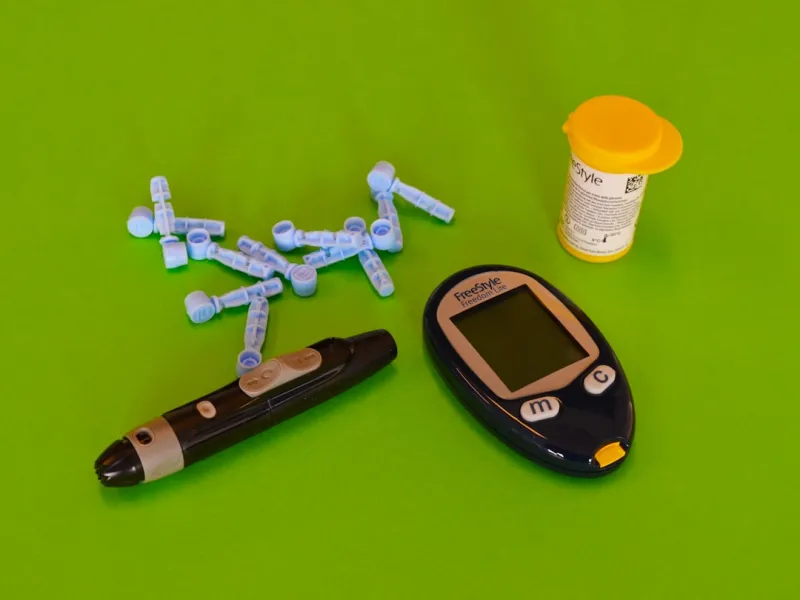
Turning Prediabetes Around: A Holistic Journey to Balance
A candid, holistic guide from personal experience on reversing prediabetes through mindful eating, b... Read More

Designing Workspaces to Defeat Prediabetes
Discover how the physical and digital design of your workplace impacts prediabetes risk and get acti... Read More
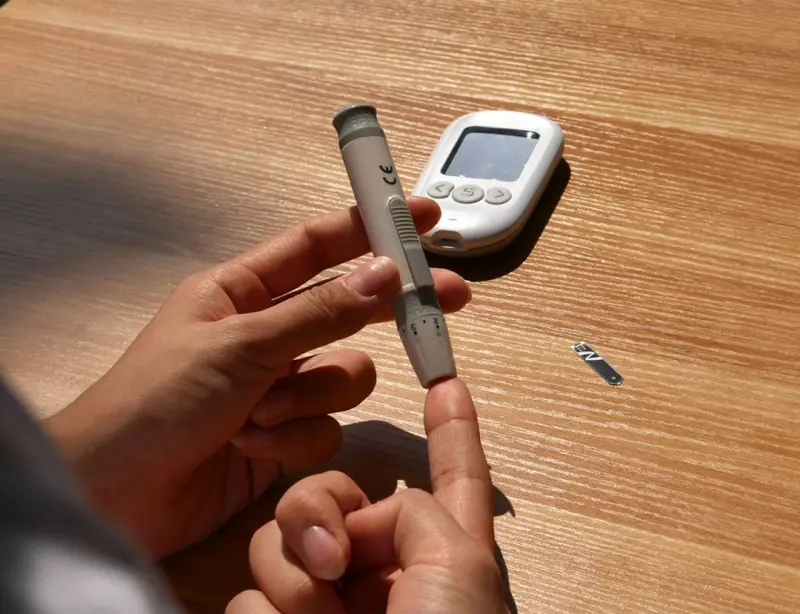
Prediabetes as a Strategic Pivot: Turning a Health Warning into a Performance Upgrade
Treat prediabetes as a strategic pivot: reframe the label, build real‑time feedback loops with wea... Read More
Top Posts

The Sensory Journey of Vaping: Turning Flavor, Breath, and Ritual into Mindful Moments
Vaping can be more than a nicotine fix; by focusing on flavor, intentional breathing, and ritual design, you can turn each puff into a mindful pause that suppor...Read More

Gut Microbial Mastery: Harnessing Your Inner Ecosystem for Peak Performance
A deep dive into actionable ways to nurture your gut microbiome, improve resilience, and unlock higher performance at work and in life....Read More

Playful Micro‑Breaks: Rewiring Stress for Sustainable Focus
Learn why brief, playful micro‑breaks are the key to rewiring stress, enhancing focus, and sustaining mental health in a fast‑paced work environment....Read More

The Hidden Environmental Toll of Disposable Vapes—and How Companies Can Turn a Crisis Into a Sustainability Win
Disposable vapes generate a surge of plastic and e‑waste that many workplaces overlook. This article reveals the hidden environmental costs and offers a clear...Read More
0 Comments
Post Comment
You will need to Login or Register to comment on this post!