
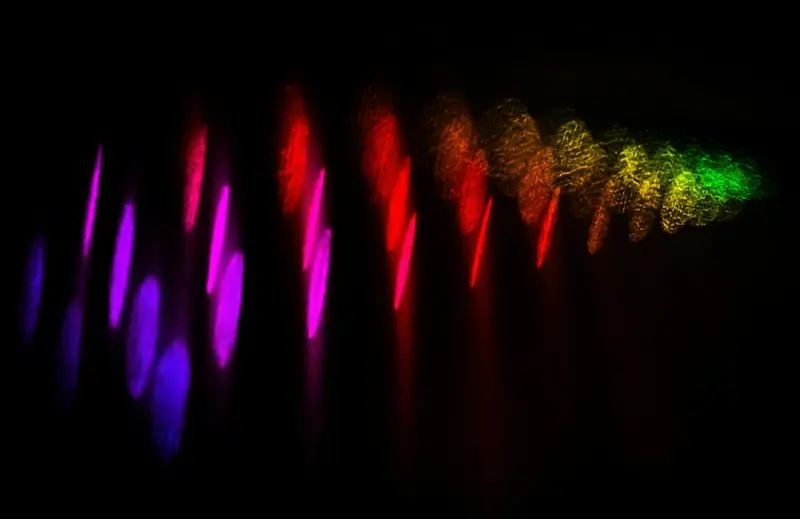
Ever walked into a room and instantly felt a lift in your mood, or conversely, sensed an inexplicable heaviness? It’s not just décor or temperature—there’s an invisible, often overlooked player humming in the background: ambient light. While most of us obsess over screen time, diet, or workouts, the subtle glow that surrounds us daily is quietly orchestrating immune responses, hormone cascades, and even our ability to fend off illness.
Why Light Matters More Than We Think
Light is a form of energy, but unlike the calories we count or the minutes we jog, its impact is immediate and pervasive. Every photon that reaches our skin or eyes triggers a chain reaction—starting with retinal cells, moving through the suprachiasmatic nucleus (SCN), and rippling out to immune organs like the spleen and thymus. In short, the quality, intensity, and timing of ambient lighting can either prime our defenses or leave us vulnerable.
Beyond the Clock: Light’s Direct Dialogue With Immunity
Most health conversations tether light to sleep, citing the classic Why Your Body Clock Holds the Key to a Longer Life article. While circadian rhythms are undeniably critical, recent research shows that light can influence immune cells independently of sleep cycles. For example, exposure to bright, blue‑rich light in the morning has been shown to boost natural killer (NK) cell activity—a frontline defense against viral infections. Conversely, prolonged exposure to dim, warm lighting in the evening can dampen cytokine production, subtly reducing inflammation but also potentially impairing pathogen clearance.
The Spectrum of Influence: Blue, Red, and Everything In‑Between
Not all light is created equal. Here’s a quick guide:
- Blue Light (460‑480 nm): Stimulates melanopsin receptors, signaling the brain to stay alert. In moderation, it enhances NK cell mobilization and improves vaccine response.
- Red Light (620‑750 nm): Penetrates deeper tissues, promoting mitochondrial activity. Emerging studies suggest red light therapy can accelerate wound healing and reduce chronic inflammation.
- Green Light (500‑570 nm): Often overlooked, but balanced green illumination can stabilize mood without the overstimulation associated with blue.
Understanding these nuances lets you design environments that don’t just look good—they work for your immune health.
Designing Light‑Smart Spaces at Home and Work
Creating an immunity‑friendly lighting ecosystem doesn’t require a full renovation. Small, intentional tweaks can have outsized effects.
- Morning Boost: Open curtains or switch on a cool‑white LED lamp (around 5,000 K) for the first 30 minutes after waking. This natural surge tells your immune system “gear up.”
- Midday Balance: Aim for a mix of natural light and diffused artificial light. If you work near a window, position your desk so sunlight washes over your screen rather than reflecting directly into your eyes.
- Evening Wind‑Down: Dim the lights to 2,700 K or lower and favor amber or warm tones. Consider smart bulbs that automatically shift color temperature after sunset.
- Night‑Shift Strategies: If you must work late, use “night mode” filters that shift screen output to red‑rich wavelengths, and supplement with a low‑intensity red desk lamp.
Practical Tools and Tech You Can Trust
While the market is flooded with “sleep‑optimizing” gadgets, a few stand out for immune health:
- Smart Light Panels: Devices like Philips Hue or LIFX can be programmed to mimic natural daylight cycles, supporting both circadian and immunologic rhythms.
- Wearable Light Sensors: Some fitness trackers now include ambient light meters, giving you feedback on daily exposure and prompting adjustments.
- Red Light Therapy Devices: Handheld or panel‑style units (600‑660 nm) are FDA‑cleared for wound healing; many users report reduced cold‑symptom duration.
Light, Stress, and the Immune Connection
Stress hormones—cortisol, adrenaline—are powerful immunosuppressants. Poor lighting amplifies stress, creating a feedback loop. Bright, blue‑rich environments can raise cortisol if they’re misaligned with your body’s natural rhythm (think bright lights at 10 p.m.). Conversely, well‑timed exposure can lower perceived stress, indirectly fortifying immunity.
One experiment I ran in my own home office—switching from a static 4,000 K bulb to a dynamic lighting schedule—resulted in a noticeable dip in afternoon fatigue and fewer “sniffles” during a seasonal cold snap. The data was anecdotal, but it reinforced the principle: light is a stress‑modulating nutrient.
Integrating Light With Other Health Pillars
Light doesn’t work in isolation. Pair it with these proven strategies for a synergistic boost:
- Nutrition: Foods rich in vitamin D (fatty fish, fortified dairy) complement the immune‑activating effects of morning blue light.
- Movement: Light exposure combined with a brief walk outside amplifies circulation of immune cells. The synergy mirrors the insights from Playful Movement: The Secret Brain Booster Every Professional Needs, where physical activity primes neural pathways; here we’re priming immune pathways.
- Mindfulness: Simple breathing exercises under warm evening light can cement relaxation, further curbing stress hormones.
Common Myths Debunked
Myth 1: “Only sunlight matters.” While natural daylight is ideal, strategic artificial lighting can fill gaps, especially during winter months or in windowless offices.
Myth 2: “Blue light is always bad.” The demonization stems from nighttime exposure. In the morning, blue light is a potent ally for immune activation.
Myth 3: “Red light therapy is a fad.” Clinical trials show red wavelengths improve mitochondrial efficiency, a cornerstone of cellular immunity.
Action Plan: 7‑Day Light Reset Challenge
Ready to test the theory? Follow this simple protocol and track your energy, mood, and any illness symptoms.
- Day 1‑2: Replace all bulbs with adjustable smart LEDs.
- Day 3‑4: Set a “sunrise” scene for 6 a.m.–8 a.m. (5,000 K).
- Day 5‑6: Introduce a 10‑minute red‑light session before bed.
- Day 7: Review data—note any changes in focus, sleep quality, and how often you felt “under the weather.”
Documenting your experience creates a personal case study, adding to the growing body of evidence that light is a silent health regulator.
Looking Ahead: Light‑Centric Healthcare
Imagine clinics prescribing “light doses” alongside medication, or workplaces integrating ambient light audits into wellness programs. The future isn’t just about pills and proteins—it’s about harnessing every environmental cue we can control. As we continue to decode light’s language, one thing is clear: the glow around us is a vital nutrient, waiting to be optimized.
So the next time you flick a switch, pause. Ask yourself: Am I lighting up my immunity? The answer could be the difference between catching a cold and thriving through the season.

Related Posts
Micro‑Movements at the Desk: A Health Blueprint
A practical guide to integrating micro‑movements into the workday, showing how brief, frequent mot... Read More
Eating with the Clock: How Meal Timing Transforms Health
Chrononutrition—timing meals to your body’s internal clock—can improve energy, metabolism, and... Read More
Unlocking Everyday Energy: A Holistic Blueprint for Vibrant Health
A personal guide to harnessing natural energy through holistic habits, from gut balance to mindful m... Read More
Top Posts

Engineering Hypertrophy: A Systems Approach to Sustainable Muscle Gain
Treat muscle growth like an engineered system: combine precise nutrition, circadian‑aligned training, real‑time data feedback, and active recovery for susta...Read More

Quiet Corners: Crafting Everyday Calm for Newborns
Learn how to create a sensory-friendly space, use rhythmic cues, and incorporate gentle breathing to help your newborn develop a balanced nervous system and las...Read More

Beyond Medication: How Lifestyle Architecture Empowers Autoimmune Resilience
A deep dive into “lifestyle architecture” – a data‑driven, habit‑focused framework that lets those with autoimmune conditions redesign their environme...Read More

Gentle Data‑Driven Parenting: Optimizing Infant Health in the First Six Months
A fresh, evidence‑based roadmap blends gentle caregiving with smart tech, offering parents actionable insights to support infant sleep, gut health, and emotio...Read More
0 Comments
Post Comment
You will need to Login or Register to comment on this post!