
Why Screens Become Triggers
I’ve spent years watching my relationship with food flicker on and off like a faulty Wi‑Fi signal, each notification, each scroll, turning a simple snack into a battlefield of self‑judgment and anxiety, as the relentless comparison engine of social media amplified every perceived flaw and fed a constant loop of shame. When I finally stepped away from the endless feed and gave my mind a chance to breathe, I discovered that the real hunger I was trying to satisfy was not calories but a craving for genuine connection, safety, and a sense of belonging that no algorithm could provide, a yearning that manifested in secret binge‑sessions and restrictive rituals whenever the digital noise returned. That revelation sparked a personal experiment: what if I could rebuild my eating disorder recovery on the sturdy foundation of digital boundaries instead of the fragile promise of likes and likes‑based validation, crafting a daily schedule that honored offline rituals, mindful movement, and intentional media consumption to quiet the inner critic?
Setting Healthy Digital Limits
The first step in reclaiming food freedom is to treat screen time the same way you would treat a tempting, high‑calorie snack: with deliberate limits, thoughtful placement, and clear intentions. I began by establishing a tech curfew two hours before dinner, turning off push notifications that usually triggered a cascade of comparison and cravings, and I noticed my appetite returning to its natural rhythm rather than being hijacked by the dopamine spikes of endless scrolling. Research on holistic vitality shows that reducing digital overload can lower cortisol levels, improve sleep quality, and create mental space for intuitive eating; you can read more about those connections in the hidden levers of longevity and apply them to your own recovery plan.
Mindful Media Consumption
Not all media is harmful, but the key is to curate what you allow into your mental kitchen. I started following creators who celebrate body diversity, share recipes without calorie counts, and discuss mental health with honesty, replacing the diet‑centric accounts that once dictated my self‑worth. When a post sparked anxiety, I practiced the “pause‑reflect‑respond” technique: pause the scroll, reflect on the feeling, and respond by either engaging with content that aligns with my values or simply moving on. This habit transformed my feed into a supportive pantry rather than a toxic buffet, echoing the principles explored in the eating disorder narrative while carving out a fresh, boundary‑focused angle.
Building Offline Nourishment Rituals
True healing happens when the body and mind meet away from the glow of a screen, so I introduced tactile, sensory‑rich rituals that anchored my meals in the present moment. I set a small, uncluttered table, lit a candle, and played soft instrumental music, allowing each bite to be a deliberate act of self‑care rather than a hurried response to a notification ping. I also incorporated a brief journaling practice after meals, noting flavors, textures, and emotions, which helped me decode hidden triggers and celebrate small victories without the need for external validation. Over weeks, these offline habits rewired my relationship with food, turning meals into moments of calm and connection.
Community Beyond the Feed
While online groups can offer support, they often blur the line between encouragement and comparison. I sought out in‑person meetups, local cooking classes, and peer‑support circles where the conversation centered on lived experience rather than polished aesthetics. These face‑to‑face interactions provided a safe container for vulnerability, allowing me to share stories of relapse and recovery without the pressure of curated images. The authenticity of these gatherings reminded me that community healing thrives in real‑world spaces, reinforcing the idea that we can belong without the constant buzz of likes.
Creative Movement as Counter‑Narrative
Physical activity became my antidote to the mental grip of scrolling, but I shifted the focus from calorie burn to embodied joy. I explored gentle practices such as dance improvisation, yoga flow, and nature walks, treating my body as a partner rather than a project to be perfected. Each movement session ended with a brief check‑in: How does my body feel? What emotions surfaced? This inquiry turned exercise into a form of meditation, reinforcing the belief that movement can nurture, not punish, the self. Over time, the urge to seek validation through food diminished, replaced by a growing appreciation for the sensations of strength and flexibility.
Sustaining the New Narrative
Creating lasting change requires a system of checks that keep digital boundaries from eroding. I built a weekly audit, reviewing screen habits, emotional triggers, and meal satisfaction scores, then adjusted my schedule accordingly. When a relapse occurred, I treated it as data rather than failure, identifying the specific app or notification that led to the slip and tightening that boundary. This iterative approach mirrors the scientific mindset behind effective health hacks, ensuring that the recovery plan evolves alongside my life’s demands, and it keeps the focus on growth rather than perfection.
Final Thoughts
In the age where every scroll can feel like a silent judgment, reclaiming food freedom begins with a conscious decision to step out of the digital haze and into a space where your body’s signals are heard first. By setting clear tech limits, curating mindful media, and fostering offline rituals, you create a resilient foundation that protects against the hidden triggers of social platforms. If night‑time anxiety ever creeps back, remember the tools from nighttime battles—breath, grounding, and a screen‑free bedroom—to restore calm and keep your recovery on track. The journey isn’t about abandoning technology entirely; it’s about inviting it in on your terms, so that every bite you take is guided by hunger, pleasure, and self‑respect, not by a scrolling thumb.

Becky Putman is an Ottawa-based freelance writer and marketing professional with a passion for storytelling, animals, and community involvement. She enjoys creating engaging content that informs, inspires, and connects with readers.
Related Posts

Eating Disorders: A Holistic Journey from Silence to Self‑Compassion
Tom Ferguson shares his transformative, whole‑self journey tackling eating disorders—blending mi... Read More

Beyond the Plate: How Workplace Culture Fuels and Fixes Eating Disorders
A deep dive into the hidden ways office culture can trigger disordered eating, with practical strate... Read More

When Algorithms Feed the Beast: Untangling Digital Triggers in Eating Disorders
A deep dive into how algorithmic content shapes eating disorder triggers, offering practical strateg... Read More
Top Posts

Light, Stress, and the Silent Surge: Rethinking Autoimmune Triggers in the Modern Age
This article uncovers hidden autoimmune triggers—from ambient light and timing of stress to wearable data—offering a 7‑day reset plan and a glimpse into A...Read More
Sunlight, Soil, and Simple Rituals: A Triple‑Layer Approach to Everyday Mental Resilience
A practical guide showing how combining morning sunlight, soil interaction, and ambient nature sounds creates a low‑effort, high‑impact routine for lasting ...Read More
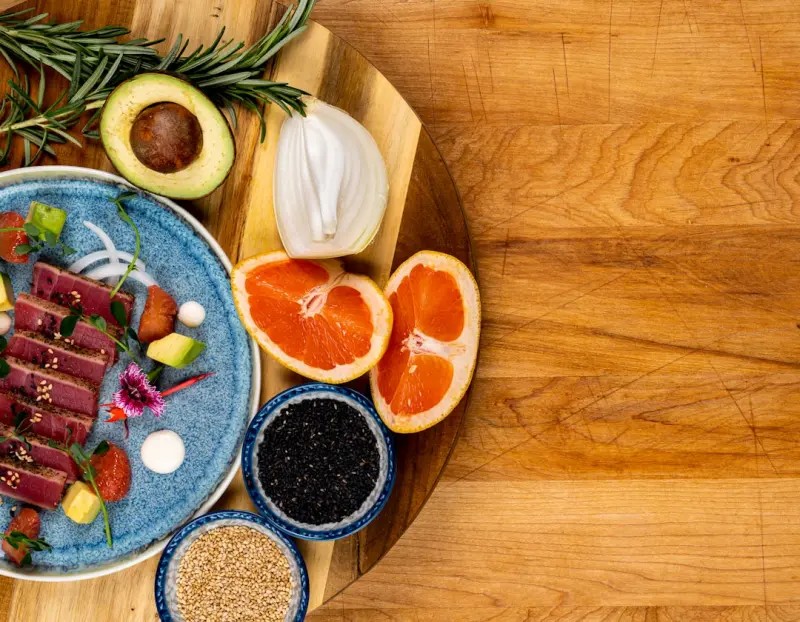
Flavor Chemistry: How Food Pairings Unlock Hidden Nutrients
Explore the science behind food pairings, from black pepper boosting turmeric’s benefits to vitamin C enhancing iron absorption, and learn practical tips to...Read More

Unlocking Hidden Strength: Why Mobility Beats Bulk for Men’s Long‑Term Health
Learn why adding targeted mobility work can boost testosterone, reduce injury risk, and enhance overall performance, offering a smarter path to lasting men’s ...Read More
0 Comments
Post Comment
You will need to Login or Register to comment on this post!