

Why Early Resilience Matters
When a newborn arrives, parents instinctively protect the tiny body, yet true resilience begins long before a fever breaks or a diaper changes. Resilience in infants is a dynamic blend of immune strength, emotional stability, and adaptable nervous systems that set the tone for lifelong health. Recent research shows that tiny habits—like consistent eye contact, skin‑to‑skin moments, and rhythmic breathing—can shape neural pathways that buffer stress later in life. By weaving these practices into daily routines, families lay a foundation that helps babies navigate everything from seasonal colds to the inevitable tantrums of toddlerhood.
Skin‑to‑Skin Connection: More Than Warmth
Skin‑to‑skin contact, often called kangaroo care, does more than regulate temperature; it triggers the release of oxytocin, a hormone that calms both baby and caregiver. This simple act improves heart‑rate variability, a key indicator of a balanced autonomic nervous system, and even supports gut motility, reducing colic episodes. Parents can make the most of these moments by holding their infant upright against the chest during feeding, after a bath, or while soothing a hiccup, turning routine care into a powerful health‑boosting ritual.
Eye Contact as Emotional Training
Gazing into a baby's eyes is an ancient form of communication that strengthens the brain's social circuitry. When a parent holds a steady, loving gaze, the infant's amygdala learns that the world is safe, lowering cortisol spikes that can otherwise interfere with sleep and digestion. Practicing brief, intentional eye contact during diaper changes or bedtime stories trains emotional regulation, laying groundwork for secure attachment and later resilience in stressful situations.
Gentle Rhythmic Breathing for Calm Nerves
Infants are naturally attuned to rhythm—think of the heartbeat they heard in the womb. Mimicking that rhythm through gentle, paced breathing during cuddle time can synchronize the baby's breathing pattern, fostering parasympathetic dominance. Parents can place a hand on the baby's back, inhale slowly for four counts, exhale for six, and repeat; the baby often mirrors the rhythm, resulting in a calmer demeanor and smoother transitions to sleep.
Introducing Probiotic‑Rich Foods During Weaning
When the time comes to introduce solids, choosing foods that nurture the gut microbiome can boost immune defenses and reduce digestive discomfort. Fermented vegetables, unsweetened yogurt, and kefir provide live cultures that populate the infant gut with beneficial bacteria. Pairing these foods with vitamin‑C‑rich fruits, a technique known as strategic food pairing, enhances nutrient absorption, supporting both gut health and overall vitality.
Safe Tactile Exploration to Enhance Sensory Development
Providing babies with a variety of safe textures—soft cotton, smooth silicone, cool metal—stimulates the somatosensory cortex, encouraging neural growth that underlies motor skills and problem‑solving. These tactile experiences are a form of sensory enrichment that goes beyond visual and auditory input, teaching the brain to integrate multiple signals for balanced development. Simple activities like a "texture basket" or a gentle hand‑massage with a natural oil can turn everyday moments into developmental gold.
Creating a Predictable Rhythm in the Home Environment
Infants thrive on consistency; predictable routines reduce the stress hormone adrenaline and promote steady sleep cycles. Establishing a calm pre‑sleep ritual—dim lights, a soft lullaby, a brief massage—signals to the baby's brain that it’s time to wind down, reinforcing the circadian rhythm that will later support healthy metabolism. Even small cues, like a particular scent or a favorite blanket, can become powerful anchors that help the child self‑regulate in unfamiliar settings.
Partnering with Your Pediatrician for Proactive Monitoring
Regular check‑ups are more than vaccination appointments; they offer a chance to discuss subtle signs of dysbiosis, skin sensitivities, or early signs of anxiety. Sharing observations about feeding patterns, sleep quality, and emotional cues equips the pediatrician to suggest targeted interventions—whether it’s a probiotic supplement, a referral to a pediatric occupational therapist, or guidance on adjusting home routines. A collaborative approach ensures that the infant’s resilience is nurtured with both home‑grown practices and professional expertise.

Tammy French is a Montessori Teaching Assistant and freelance writer passionate about education, creativity, and inspiring lifelong learning through engaging content.
Related Posts

Nurturing Infant Health: Micro‑Habits, Touch, and Mindful Presence
Explore how micro‑habits, gentle touch, and mindful routines create a resilient foundation for inf... Read More

How Babywearing Shapes Your Infant’s Health and Connection
Babywearing offers a powerful, science‑backed way to boost an infant’s sleep, immune system, mot... Read More

The Healing Power of Touch: Baby Massage for Healthier Development
A comprehensive guide to baby massage, detailing its scientific benefits for sleep, digestion, immun... Read More
Top Posts

Unlocking the Lymphatic Highway: A Fresh Take on Body Detox
The lymphatic system, often overlooked in detox conversations, is crucial for waste removal, immune function, and fluid balance. This post reveals why tradition...Read More
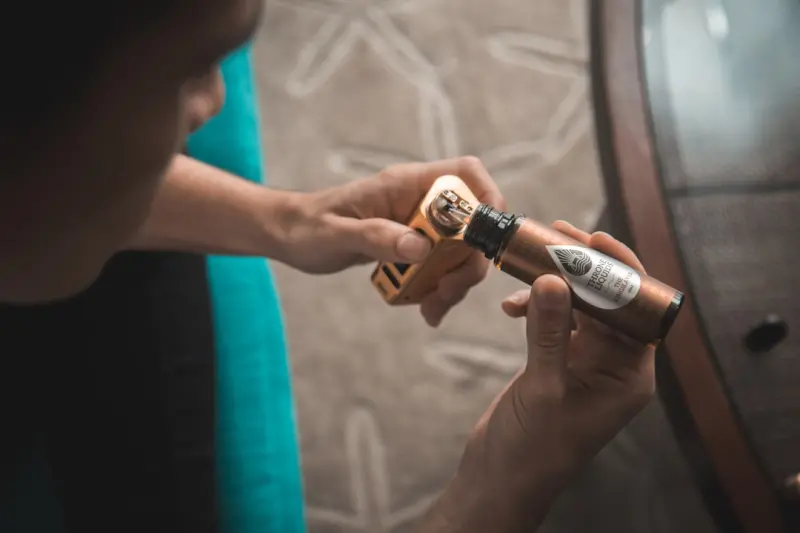
Designing a Personal Vaping Ritual: Mindful Flavor Exploration and Breath Control
Learn to transform vaping from habit to mindful ritual, using flavor, breath patterns, and supportive micro‑habits to boost wellness and control nicotine....Read More

Gut‑Driven Detox: Reboot Your Microbiome for a Cleaner Body
A gut‑centric detox transforms the microbiome into a natural toxin‑removing engine. Learn practical steps—fermented foods, prebiotic pairing, hydration, m...Read More

Living with Sleep Apnea: Real‑World Strategies for Everyday Life
A candid look at sleep apnea beyond the mask—how it shapes relationships, work life, travel, and mental wellbeing, with actionable steps you can start today....Read More
0 Comments
Post Comment
You will need to Login or Register to comment on this post!