
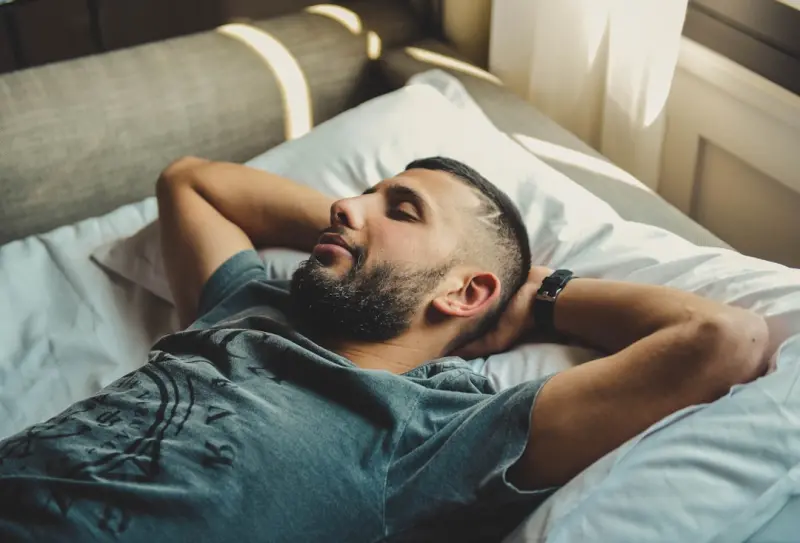
When I first heard the word “apnea,” I imagined a dramatic pause in breathing like a dramatic movie scene. In reality, my nights became a series of quiet gasps, a soft whir of the CPAP machine, and a lingering fatigue that followed me into every sunrise. The diagnosis didn’t just explain the morning grogginess; it opened a door to a hidden world of micro‑interruptions that subtly rewired my daily rhythm. I started to notice how my mind fogged during meetings, how I’d misplace my keys, and how my partner’s sleep was punctuated by my own restless sighs. It felt like living with an invisible roommate who showed up nightly, rearranged the furniture of my energy, and never left a forwarding address. That realization sparked a journey—not just to treat a condition, but to redesign how I live with it, turning a medical label into a catalyst for deeper self‑awareness and intentional habit‑building.
Understanding the Real Cost of Unseen Interruptions
The most obvious symptom of sleep apnea is the morning headache, but the deeper cost is the cumulative loss of cognitive bandwidth. Each night, my brain missed out on the restorative slow‑wave cycles it craved, leaving my executive functions—focus, memory, and decision‑making—operating at half‑speed. I began to chart my energy levels on a simple spreadsheet, noting that my productivity dipped sharply after 2 p.m., a pattern I later linked to the fragmented sleep architecture. This wasn’t just a personal anecdote; research shows that untreated apnea can impair neuroplasticity, making it harder to learn new skills or adapt to stress. I started experimenting with short, strategic naps and found that a 20‑minute “power‑nap” after lunch could reboot my attention span, almost like resetting a sluggish computer. These tiny adjustments reminded me that managing apnea isn’t about a single cure; it’s about weaving protective micro‑habits into the fabric of each day.
The Mask Is Not the Whole Story
Many people view the CPAP mask as the ultimate solution, a silver bullet that will instantly restore normal sleep. My experience taught me that the mask is only one piece of a larger puzzle. I spent weeks battling mask leaks, skin irritation, and the dreaded “machine anxiety” that made me dread bedtime. It wasn’t until I explored alternative therapies—like a mandibular advancement device and positional therapy—that I found a more tolerable balance. I also learned that lifestyle factors, such as weight management and nasal hygiene, play a crucial role in reducing pressure requirements. By integrating gentle nasal rinses and a nightly routine of nasal breathing exercises, I cut my pressure settings by 20 percent, which dramatically increased my comfort. The journey taught me that flexibility and experimentation are essential; the mask is a tool, not a destiny, and the willingness to adjust it can make the difference between resignation and empowerment.
Intimacy and the Sleep Apnea Conversation
One of the most vulnerable moments came when I finally confessed my condition to my partner. The discussion was awkward at first—how do you explain a nightly mechanical hum and the occasional snort that sounds like a sea‑monster? Yet, opening up transformed our bedroom dynamics. We learned to sync our sleep schedules, adjust pillow arrangements, and even use a white‑noise machine to mask the CPAP’s sound without compromising its effectiveness. This collaborative approach deepened our emotional intimacy; we became a team tackling a shared challenge rather than two isolated sleepers. Moreover, my partner’s awareness helped us recognize early signs of treatment fatigue, prompting timely adjustments. The key takeaway? Honest communication about sleep apnea can turn a source of tension into a platform for mutual support, strengthening both physical comfort and relational trust.
Navigating the Workplace: Disclosure and Productivity
Bringing sleep apnea into the professional sphere felt like walking a tightrope. I worried that sharing my diagnosis would cast me as “less capable” or trigger unwanted accommodations. However, I discovered that strategic disclosure—framed around performance—can actually enhance workplace support. I approached my manager with a concise brief: explaining how the condition could affect early‑morning focus and offering concrete solutions, such as flexible start times or a quiet space for a brief nap. To my surprise, my manager responded positively, granting a half‑hour shift that aligned with my peak alertness window. I also leveraged technology, using a wearable that tracked sleep quality and provided data‑driven insights. When I presented this data during a performance review, it reinforced my commitment to proactive health management. The lesson? Positioning your condition as a factor in optimizing work output—rather than a limitation—can open doors to reasonable accommodations without stigma.
Traveling Light: Sleep Apnea on the Road
Planning a trip used to be a nightmare—literally. Packing the CPAP, ensuring power compatibility, and finding a quiet hotel room felt overwhelming. I turned the process into a checklist, starting with a universal power adapter and a compact travel‑size humidifier that prevented the dreaded dry‑mouth side effect. I also discovered that many hotels now list CPAP‑friendly rooms, complete with built‑in power outlets and extra space for the device. Before each flight, I requested a “Medical Equipment” tag at the check‑in desk, which expedited security screening. On long journeys, I found that short, scheduled breaks to do breathing exercises—similar to those highlighted in simple home practices to boost neuroplasticity—helped maintain airway patency and reduce reliance on higher CPAP pressures. These small, intentional steps transformed travel from a source of anxiety into a manageable adventure.
Mental Health: The Silent Companion of Apnea
Sleep apnea’s impact on mental health often hides in plain sight, masked by the daily grind. I began noticing a low‑grade anxiety that lingered even after a night of seemingly solid CPAP usage. It turned out that intermittent hypoxia—those brief oxygen dips during sleep—can trigger mood fluctuations and exacerbate stress responses. To counteract this, I incorporated mindfulness meditation into my bedtime routine, focusing on slow, diaphragmatic breathing that also helped keep my airway open. I paired this practice with a brief review of my sleep data, using the insights to adjust my device settings when needed. The synergy between mental and physical health became evident when, after a month of consistent meditation, I reported a noticeable reduction in irritability and an improved sense of calm. Recognizing and addressing the psychological dimension of apnea can be as vital as any physical intervention.
Building Sustainable Habits: From Tiny Steps to Big Gains
Changing long‑standing habits feels daunting, but breaking them into bite‑sized actions makes the process approachable. I adopted a “tiny habit stacking” method, linking a new behavior to an existing cue. For example, after brushing my teeth each night, I would spend two minutes performing my breathing exercise, reinforcing both oral hygiene and airway stability. This approach mirrors the principles discussed in tiny habit stacking, where small, consistent actions compound into meaningful change. Over weeks, these micro‑routines built a foundation of resilience, reducing reliance on higher CPAP pressures and improving overall sleep quality. Additionally, regular, moderate aerobic exercise—like brisk walking or swimming—helped tone the muscles around the airway, providing a natural boost to breathing during sleep. The key is patience; sustainable progress emerges from the accumulation of many modest victories.
Tech‑Savvy Tracking: Data as a Motivator
In the age of digital health, leveraging data can turn abstract health concepts into tangible goals. I synced my CPAP machine with a cloud‑based platform that visualized nightly leak rates, usage hours, and apnea‑hypopnea index (AHI) scores. Seeing a steady decline in AHI over several weeks felt like watching a personal scoreboard improve. I also integrated my wearable’s sleep stages with the CPAP data, spotting patterns such as higher REM sleep on nights when I avoided caffeine after noon. This cross‑referencing empowered me to make evidence‑based lifestyle tweaks—like cutting late‑day caffeine—without guesswork. Sharing these dashboards with my physician facilitated more precise adjustments during follow‑up appointments, streamlining the care loop. When technology becomes a collaborative partner rather than a passive monitor, it can amplify motivation and accelerate results.
Embracing the Journey: From Diagnosis to Daily Confidence
Living with sleep apnea is not a static condition; it’s an evolving narrative that intertwines health, relationships, work, and personal growth. By confronting the mask’s limitations, opening honest dialogues with loved ones, advocating for workplace flexibility, and mastering travel logistics, I transformed a nightly challenge into a source of empowerment. The blend of mindful breathing, habit stacking, and data‑driven adjustments turned anxiety into confidence. If you’re standing where I once stood—feeling overwhelmed by the hum of a machine and the weight of unanswered questions—remember that each small, intentional step builds momentum. Seek supportive communities, experiment with complementary therapies, and celebrate the incremental wins. Sleep apnea may be a part of your story, but it doesn’t have to define the whole chapter.

Tammy French is a Montessori Teaching Assistant and freelance writer passionate about education, creativity, and inspiring lifelong learning through engaging content.
Related Posts

Understanding Sleep Apnea: A Holistic Approach to Better Health
Sleep apnea is a complex condition that affects millions of people worldwide. Learn about its causes... Read More

When Breathing Gets Personal: Sleep Apnea’s Unexpected Impact on Relationships
Sleep apnea isn’t just a nighttime health issue—it silently erodes emotional connection, patienc... Read More
Sleep Apnea Unlocked: Real‑World Hacks for Restful Nights
A candid guide from personal experience, offering travel tips, tech tricks, and lifestyle tweaks to ... Read More
Top Posts

The Hidden Levers of Muscle Growth: A Systems Approach
Muscle growth isn’t just about lifting heavier; it’s a complex system of signals, nutrition, sleep, and stress management. This guide reveals how micro‑ad...Read More

Living in the Land of Sudden Sleep: Turning Narcolepsy Into a Creative Asset
A personal guide to embracing micro‑naps, wearable tracking, and energy‑based productivity for those living with narcolepsy, turning the condition into a so...Read More

When Sleep Terrors Whisper: Turning Nighttime Chaos into Daytime Clarity
Sleep terrors are more than frightening night episodes—they’re clues your subconscious offers about stress and hidden emotions. Learn how to track, decode, ...Read More

Turning Data Into Fat Loss: Building Your Personal Feedback Loop
Discover a systematic approach to weight loss by tracking key metrics, analyzing trends, and making precise adjustments—turning everyday data into a powerful,...Read More
0 Comments
Post Comment
You will need to Login or Register to comment on this post!