
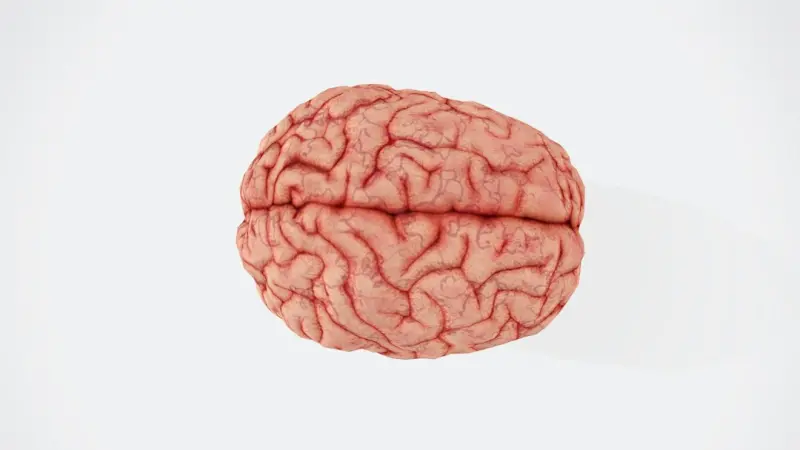
When I was a teenager, I spent endless afternoons tinkering with the old radio my dad kept in the garage. I’d twist dials, chase static, and try to coax a clear signal out of the ether. I didn’t realize it at the time, but those hours of playful experimentation were doing something profound for my brain: they were training my neural circuits to stay flexible, to tolerate ambiguity, and to revel in discovery. Decades later, that same spark of curiosity still drives my professional life, and I’ve seen first‑hand how a habit of intentional exploration can act as a daily workout for the brain.
The Science of Curiosity: A Primer
Curiosity isn’t just a feel‑good feeling; it’s a hard‑wired neurobiological system that nudges us toward novel information. When we encounter something uncertain, the brain releases dopamine—a neurotransmitter closely tied to reward and learning. This dopamine surge lights up the hippocampus and prefrontal cortex, regions that handle memory formation and executive function. In short, curiosity creates a feedback loop: novelty triggers dopamine, dopamine reinforces attention, and attention deepens learning.
Recent research shows that people who regularly seek out new experiences have denser gray matter in the anterior cingulate cortex, a hub for error detection and adaptive thinking. Moreover, curiosity has been linked to increased neurogenesis—the birth of new neurons—in the hippocampus, even into adulthood. In practical terms, fostering curiosity can help preserve cognitive flexibility, reduce the risk of age‑related decline, and boost problem‑solving abilities.
Why Everyday Exploration Beats “Big” Brain Hacks
There’s a market flooded with grand promises: brain‑boosting supplements, high‑intensity cognitive training apps, and even “nootropic” cocktails. While some of these tools have merit, the most sustainable brain health strategy is surprisingly low‑tech. It’s the cumulative effect of small, curiosity‑driven actions that builds a resilient neural network over years.
Consider the difference between a one‑off puzzle challenge and a habit of asking “why” in daily conversations. The former may give a brief spike in attention, but the latter rewires pathways by repeatedly engaging the brain’s predictive coding system. It’s the difference between a sprint and a marathon; the former tires you out, while the latter builds endurance.
Three Simple Ways to Make Curiosity a Habit
- Micro‑Learning Moments: Set a timer for five minutes each day and dive into a topic you know nothing about. It could be the mechanics of a steam engine, the history of a forgotten language, or the chemistry behind coffee roasting. The key is brevity and novelty.
- Ask “What If?” Before Decisions: Before you settle on a solution at work or home, pause and pose a “what if” scenario. “What if we approached this project from a user‑experience perspective rather than a cost perspective?” This simple reframing forces the brain to generate alternative pathways.
- Rotate Your Sensory Inputs: Change the soundtrack of your day. Listen to a genre you’ve never explored, swap your usual coffee for tea, or take a different route to the office. Novel sensory input stimulates the brain’s multimodal integration centers, enhancing overall connectivity.
These micro‑habits are easy to embed into a busy schedule and, over time, they compound into a robust neural training regimen.
Curiosity and Skill‑Building: A Two‑Way Street
When you deliberately learn a new skill—whether it’s a musical instrument, a programming language, or a cooking technique—you’re doing more than acquiring a hobby. You’re also activating the brain’s reward circuitry in a way that reinforces neuroplasticity. For example, a recent study demonstrated that adults who began learning a second language experienced measurable improvements in executive function, even if they practiced only 15 minutes a day.
That insight dovetails nicely with how learning a new language reshapes the brain. The takeaway? You don’t need to become fluent; the act of grappling with unfamiliar sounds and grammar is enough to keep your prefrontal cortex sharp.
Environmental Curiosity: Turning Your Space Into a Lab
Our physical surroundings can either stifle or stimulate curiosity. While many focus on the visual appeal of a workspace, the auditory, tactile, and olfactory elements often go unnoticed. Imagine swapping the sterile hum of an air conditioner for a subtle soundscape of rain or distant waves. Such ambient changes can lower stress hormones and encourage a relaxed state of attention—perfect for exploratory thought.
Even something as simple as repositioning a bookshelf to feature a “mystery” section—books you’ve never read but feel drawn to—creates a visual cue that invites inquiry. This strategy aligns with the principles outlined in the research on green spaces and mental acuity, showing that a curated environment can act as a catalyst for cognitive engagement.
Digital Curiosity: Harnessing the Internet Without Overload
The internet offers an endless buffet of information, but mindless scrolling can lead to information fatigue. To make digital consumption a curiosity‑enhancing activity, apply a “filter‑first” approach: before clicking a link, ask yourself what specific question you hope to answer. Then, limit your dive to a single source before moving on. This practice preserves the dopamine reward loop without overwhelming the brain’s capacity to consolidate memories.
Another tactic is to use “bookmark‑and‑return” cycles. When you encounter an intriguing article, bookmark it but resist the urge to read it immediately. Return to it after a day or two; the delayed retrieval forces your brain to reconstruct the context, strengthening neural pathways.
Measuring Curiosity’s Impact: Simple Self‑Assessment
While you won’t need a lab to gauge the benefits, a quick self‑check can help track progress:
- Attention Span: Notice if you can stay focused on a task longer than before.
- Idea Generation: Keep a “idea journal” and count how many novel concepts you record each week.
- Problem‑Solving Confidence: Rate your confidence in tackling unfamiliar challenges on a 1‑10 scale after a month of curiosity practice.
If you see upward trends, you’re likely experiencing the neuroplastic benefits discussed earlier.
Integrating Curiosity Into Corporate Culture
Organizations often chase productivity hacks, yet they overlook the brain’s need for novelty. Companies can foster a curiosity‑rich culture by:
- Allocating “exploration hours” where employees pursue projects outside their core responsibilities.
- Hosting cross‑department “knowledge swaps” where teams teach each other unique skills.
- Creating physical spaces that stimulate senses—think modular furniture, whiteboards for spontaneous doodling, and ambient sound stations.
When curiosity becomes a shared value, teams report higher engagement, better collaboration, and reduced burnout—all hallmarks of a mentally resilient workforce.
Conclusion: Make Curiosity Your Daily Brain Workout
From the garage radios of my youth to the ever‑evolving digital landscape of today, the thread that ties my most rewarding experiences together is a relentless drive to ask, “What’s next?” That question is more than a habit; it’s a neural catalyst. By weaving small, curiosity‑driven practices into everyday life—whether through micro‑learning, sensory variety, or intentional digital consumption—you can keep your brain flexible, resilient, and primed for growth.
So the next time you find yourself stuck in a routine, remember: the brain thrives on the unknown. Embrace the unfamiliar, ask daring questions, and watch your mental faculties flourish like a well‑trained neural gym.

Tom Ferguson is a Canadian freelance writer with a passion for storytelling, current events, and thoughtful commentary. Drawing on years of writing experience, he shares engaging insights on a wide range of topics, bringing a uniquely Canadian perspective to his work.
Related Posts
Neuro‑Nourishment: How Everyday Curiosity Fuels Brain Vitality
A practical guide that shows how tiny moments of curiosity, paired with sound, humor, and gut-friend... Read More
Breathing New Life into Brain Health: Harnessing the Power of Breathwork
This article reveals the science behind breathwork and its profound impact on brain health, offering... Read More
Playful Curiosity: The Unexpected Engine of Brain Health
A fresh look at brain health reveals that playful curiosity—through micro‑explorations, sensory ... Read More
Top Posts

Turning Up the Volume: How Sound Healing Amplifies Cancer Recovery
Explore the transformative power of sound healing in cancer care. From science-backed benefits to simple daily practices and community sound circles, learn how ...Read More

Reclaiming Your Inner Landscape: A Holistic Blueprint for Body Detox
A step‑by‑step, holistic detox guide that tackles indoor toxins, lymphatic flow, seasonal eating, adaptogens, and tech‑driven insights to empower lasting ...Read More
Beyond the Clinic Walls: The Virtual Reality Revolution in Physiotherapy
Virtual reality is reshaping physiotherapy by delivering immersive, data‑rich rehab experiences that boost patient motivation, improve outcomes, and integrate...Read More

My Holistic Path to a Modern Body Detox: Insights from Becky Putman
Becky Putman shares her personal, holistic approach to body detox, blending nutrition, gentle movement, restorative sleep, and mindset shifts for lasting health...Read More
0 Comments
Post Comment
You will need to Login or Register to comment on this post!