
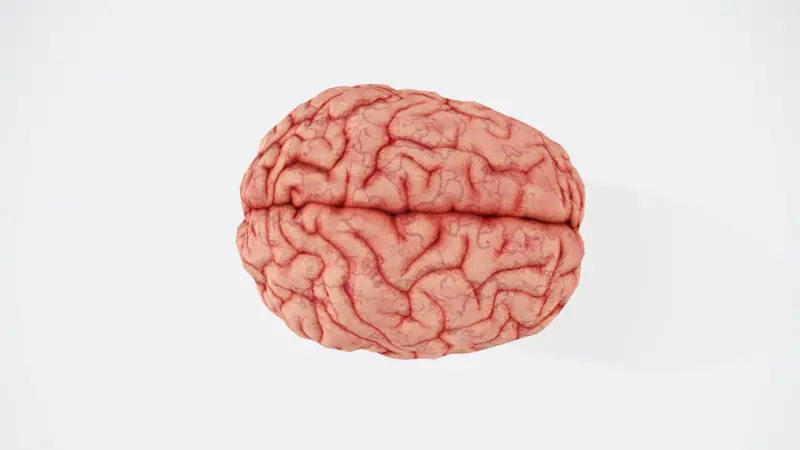
Embracing Novelty: The Brain’s Secret Growth Hormone
When I first stepped off a bustling train platform into a foreign market, the kaleidoscope of smells, sounds, and colors jolted something awake in my mind that I hadn’t felt since childhood. That jolt isn’t merely a fleeting thrill; it’s a biochemical invitation to the brain’s own repair crew, prompting the release of neurotrophic factors that nurture fresh neural connections. Modern neuroscience now confirms that novelty—whether it arrives via a new language, an unexpected route home, or even a surprising recipe—acts as a catalyst for hippocampal neurogenesis, the process by which the brain creates brand‑new neurons. While many health narratives champion sleep, exercise, and diet, they often overlook the fact that a brain starved of new experiences can become a stagnant garden, where old pathways dominate and plasticity wanes. By deliberately sprinkling variety into the daily routine, we give the brain the same kind of stimulus that physical training gives muscles, fostering resilience, sharper memory, and a more adaptable mood. In short, novelty is the brain’s under‑appreciated growth hormone, and the good news is that we can cultivate it without a pricey supplement—just by choosing to be a little more curious about the world around us.
Scientific studies from rodent models to human imaging now reveal a clear chain of events: novel stimuli trigger the release of dopamine, which then activates the ventral tegmental area, a hub that signals the hippocampus to launch a wave of new cell production. This cascade doesn’t happen in a vacuum; it is amplified when the novel experience also carries an element of mild challenge, pushing the brain to solve a small problem or adapt to an unfamiliar rule set. For instance, learning to navigate a new city on foot forces the spatial memory system to map streets, landmarks, and turns, while simultaneously engaging attention networks that filter irrelevant distractions. The result is a richer, more interconnected neural tapestry that not only improves episodic memory but also fortifies executive functions such as planning and impulse control. In my own experiments, swapping my usual coffee order for a turmeric‑spiced latte sparked a cascade of curiosity that led me to research the anti‑inflammatory properties of curcumin, creating a feedback loop of learning and brain‑boosting behavior.
One practical way to harness this science is to embed “micro‑adventure” moments throughout the week, a concept I’ve borrowed from the Cultivating Curiosity post that encourages intentional mental stretching. Rather than waiting for a vacation, you might take a different route to work, explore a new genre of music, or tackle a hobby you’ve shelved for years. The key is to make the novelty intentional, not accidental; set a calendar reminder to try a new recipe every Thursday or to attend a meetup that focuses on a subject you know nothing about. When the novelty feels purposeful, the brain registers it as a meaningful challenge, which in turn deepens the neuroplastic response. Over time, these small shifts compound, creating a habit of curiosity that rewires the default mode network, making it less prone to rumination and more inclined toward creative problem solving.
It’s also worth noting that novelty doesn’t have to be grandiose to be effective. Even subtle sensory changes—like swapping a familiar scented candle for a citrus‑infused one or rearranging furniture to alter visual pathways—can stimulate the brain’s predictive coding system, compelling it to update its internal models of the environment. This gentle disruption keeps the brain from slipping into autopilot, a state that research links to reduced cognitive flexibility and increased stress. By treating your living space as a dynamic canvas, you invite a constant, low‑level stream of new inputs that keep the synaptic machinery humming. Think of it as a “brain‑maintenance” routine, similar to oil changes for a car; a few minutes of thoughtful reconfiguration each month can preserve mental sharpness and emotional balance, especially as we age.
Everyday Strategies to Feed Your Brain’s Curiosity Engine
To translate the novelty principle into daily life, start with what I call the “Three‑Tier Curiosity Stack.” Tier one involves sensory swaps: replace your usual breakfast cereal with a bowl of ancient grains, or switch your morning playlist to a genre you’ve never explored. Tier two adds a social dimension—strike up a conversation with a coworker you rarely talk to, or join a community group that gathers around a shared interest you’ve never pursued. Tier three pushes the envelope further by introducing intellectual challenges, such as enrolling in a short online course or tackling a puzzle that forces you to think in a different pattern. By layering these tiers, you create a robust novelty ecosystem that engages multiple brain regions simultaneously, from the auditory cortex to the prefrontal executive hub. The result is not just a fleeting dopamine hit but a sustained enhancement of cognitive reserve, which research ties to lower risk of age‑related decline.
One of my favorite “novelty hacks” is to treat everyday errands as research opportunities, a mindset inspired by the Forest Bathing article that emphasizes immersion in natural environments for health. For example, while grocery shopping, I deliberately wander into an unfamiliar aisle, picking a fruit I’ve never tasted and then looking up its nutritional profile. This simple act combines sensory novelty, learning, and a mini‑mindful pause, all of which fire up the hippocampus and prefrontal cortex. Over the course of a month, such micro‑learning moments accumulate, sharpening memory recall and expanding the brain’s semantic network. Moreover, the novelty of tasting a new fruit often sparks curiosity about its cultural origins, prompting further reading or even a cooking experiment, thereby extending the neuroplastic loop.
Another often‑overlooked avenue is the strategic use of “cognitive contrast,” a technique where you intentionally juxtapose activities that require different types of thinking. After an intensive analytical task—say, drafting a detailed report—switch to a creative outlet like sketching, playing a musical instrument, or even assembling a Lego set. This abrupt shift forces the brain to disengage from the dominant neural pathway and engage a fresh circuit, preventing mental fatigue and promoting synaptic flexibility. In my routine, I schedule a ten‑minute “brain reset” after every two hours of screen work, using it as a sandbox for playful experimentation. The practice not only improves focus when I return to the original task but also builds a habit of mental agility that can be summoned in high‑pressure situations, such as public speaking or problem‑solving under tight deadlines.
Finally, consider the power of “planned unpredictability” in your digital life. While algorithms aim to serve us content we already like, you can subvert that by setting a weekly timer to explore a random article, documentary, or podcast outside your usual interests. This deliberate exposure to divergent viewpoints and information structures challenges the brain’s echo chamber, fostering critical thinking and empathy. Over time, the habit of seeking out the unfamiliar online can translate into real‑world confidence when navigating new social settings or complex decisions. Remember, the brain thrives on the balance between the familiar and the novel; by curating a steady stream of fresh inputs, you keep the neural garden fertile, resilient, and ever‑ready for growth.

William Roy is a freelance writer originally from Montreal who moved to Ottawa with his wife of 50 years to be closer to their grandkids. Alongside his writing, William has a passion for fishing.
Related Posts
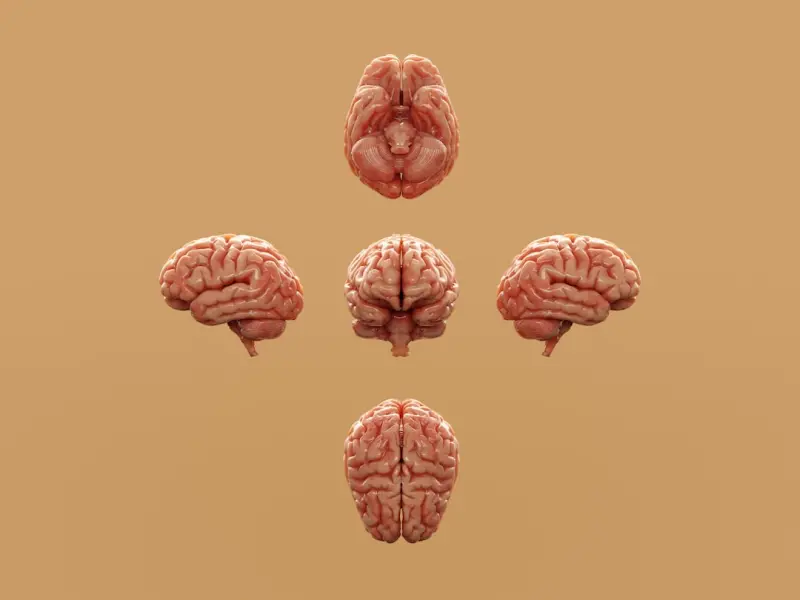
Brain Boost Blueprint: Neuro‑Fitness for the Modern Professional
A deep dive into actionable brain‑health habits—ranging from micro‑learning bursts and strateg... Read More
Nature Immersion: A Fresh Path to Boost Brain Power
Learn practical, science‑backed ways to weave nature into your daily routine, enhancing cognition,... Read More
Reclaiming Focus: A Practical Digital Detox for Brain Health
A step‑by‑step guide to resetting your brain with a digital detox, nutrition timing, and data‑... Read More
Top Posts
Beyond the Cuff: Real‑Time Strategies for Mastering Blood Pressure
A practical guide that turns continuous blood pressure monitoring into a daily habit, blending wearables, micro‑movements, smart lighting, and simple nutritio...Read More

Infrared Sauna Secrets for Deep Body Detox
Infrared sauna sessions combined with gentle movement and breathwork can unlock a deep, cellular cleanse, leaving you refreshed, energized, and ready to thriveâ...Read More
The Intersection of Physiotherapy and Mental Health: A Holistic Approach
Explore the intersection of physiotherapy and mental health, and learn how a holistic approach can lead to improved overall health and well-being....Read More
Physiotherapy Trends 2024: Tammy French’s Holistic Blueprint for Movement Mastery
Tammy French shares a fresh, holistic take on physiotherapy, blending movement mastery, nutrition, and community to transform pain into thriving motion....Read More
0 Comments
Post Comment
You will need to Login or Register to comment on this post!