
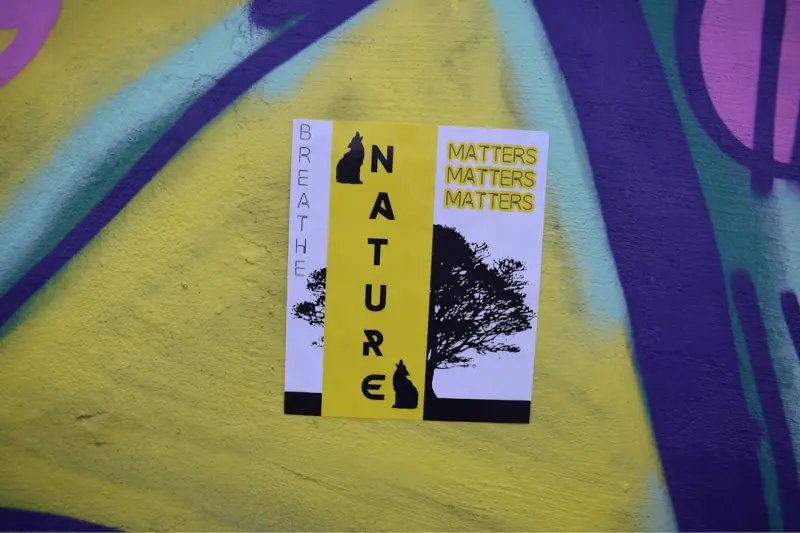
Why Nature Is the Brain’s Missing Ingredient
When I first stepped onto a moss‑covered trail after weeks of screen‑filled days, I felt an immediate quieting of the mental static that usually buzzes behind my eyes, and that sensation was a vivid reminder that our brains are wired to thrive in natural settings, responding to the subtle variations in light, sound, and texture that urban environments simply cannot replicate. Scientific research now confirms what our ancestors sensed for millennia: exposure to diverse plant life, uneven terrain, and the gentle rhythms of wind and water can stimulate neuroplastic pathways, boost the production of brain‑derived neurotrophic factor (BDNF), and even slow the age‑related thinning of the hippocampus, which is essential for memory formation and spatial navigation. In this article I’ll walk you through the why and, more importantly, the how of weaving authentic nature experiences into a modern, busy life so that your brain gets the restorative reset it craves without demanding a weekend camping trip, and you’ll discover that even a few minutes outdoors each day can create measurable cognitive benefits.
The concept of “forest bathing,” or shinrin‑yoku, originated in Japan as a structured practice of immersing oneself in woodland environments, and it has since been studied in dozens of clinical trials that report reduced cortisol levels, lower blood pressure, and enhanced attention span after just 20 minutes of mindful walking among trees; these outcomes mirror the effects of meditation but are amplified by the multisensory input that forests uniquely provide. Researchers have measured increased activity in the prefrontal cortex—a region responsible for decision‑making and emotional regulation—when participants engage with natural scenery, suggesting that the brain not only relaxes but also becomes more resilient to stressors after regular nature exposure. What excites me most is that this isn’t a luxury reserved for hikers; even city parks, rooftop gardens, and a few potted plants on a windowsill can trigger similar neurochemical cascades if approached with intention and curiosity.
One practical way to harness the power of the outdoors without overhauling your schedule is to pair nature exposure with the micro‑movement principles I’ve explored in Micro‑Movement Mastery. By integrating short bouts of walking, gentle stretching, or even mindful breathing while you wait for your coffee to brew, you create a rhythm that keeps the body active and the mind engaged, turning otherwise idle moments into opportunities for neuro‑enhancement. For example, a three‑minute walk around the block during a lunch break, combined with a focus on the colors of the sky and the scent of nearby blossoms, can elevate heart‑rate variability—a marker of autonomic nervous system balance—and simultaneously boost cerebral blood flow, delivering oxygen and nutrients to neurons that support learning and memory. This synergy of movement and nature is a low‑effort, high‑reward habit that fits seamlessly into even the most demanding workdays.
Practical Ways to Bring the Outdoors Into Your Daily Routine
Start by reimagining the spaces you already inhabit; a sunny balcony can become a miniature forest if you add a few hardy succulents, a hanging fern, and a small water feature that creates soothing sounds, while a windowsill lined with herbs not only supplies fresh flavor but also releases aromatic compounds that have been shown to improve mood and cognitive flexibility. Position your desk near a window that receives natural light, and make it a rule to look away from the screen every hour, giving your eyes a chance to refocus on distant objects—a simple practice that reduces eye strain and stimulates the visual cortex, keeping neural pathways active. When you notice the light shifting throughout the day, take a moment to track those changes, which reinforces circadian rhythm alignment and supports the brain’s internal clock, ultimately enhancing sleep quality and memory consolidation.
Another effective strategy is to schedule “green breaks” into your calendar, treating them with the same seriousness as a business meeting; these breaks can be as brief as five minutes of stepping outside to feel the wind on your skin, listen to bird calls, and notice the texture of bark, all of which engage the brain’s sensory processing centers and promote a state of relaxed alertness. If you work from home, consider setting up a portable workstation that you can move to a garden or patio, allowing you to pair productivity with fresh air; the combination of physical activity, natural light, and the grounding effect of soil has been linked to increased dopamine release, which fuels motivation and creativity. To keep the habit sustainable, pair it with a habit‑stacking cue—perhaps after you finish a morning email check, you automatically open a window and take a brief stroll to the nearest tree, reinforcing the behavior through repetition.
For those who love digital tools, there’s a sweet spot where technology can actually amplify nature’s benefits: use a phone app that identifies tree species or bird calls while you’re outdoors, turning a simple walk into an interactive learning experience that challenges the brain’s language and memory centers; however, be mindful to set clear digital boundaries so the experience remains immersive rather than a distraction. If you enjoy puzzles or brain games, try solving them on a park bench instead of a coffee shop, allowing the surrounding greenery to act as a calming backdrop that reduces anxiety and improves problem‑solving speed, as studies on “playful brain training” in natural settings suggest. This intentional blending of tech and terrain creates a feedback loop where the mind stays sharp while the body reaps the physiological advantages of being outdoors.
Building a Community of Green‑Minded Thinkers
Human connection is a powerful catalyst for cognitive health, and there’s nothing more uplifting than sharing a nature‑focused activity with friends, family, or colleagues, because social interaction itself triggers the release of oxytocin, a hormone that supports neurogenesis and protects against age‑related decline; when you combine that with the sensory richness of a park or forest, you get a double dose of brain‑boosting stimuli. Organize a monthly “brain‑and‑body” meetup where participants rotate between a short guided meditation under a tree, a group discussion about recent neuroscience findings, and a light hike that encourages conversation and curiosity, fostering both intellectual growth and a sense of belonging. The shared experience of navigating trails, spotting wildlife, and exchanging ideas creates a narrative memory that the brain stores more robustly than solitary learning, reinforcing pathways that support recall and creative thinking.
Consider starting a community garden or a neighborhood “green‑share” program where residents swap seedlings, compost tips, and seasonal recipes, turning gardening into a collaborative learning environment that stimulates the prefrontal cortex through planning, problem‑solving, and multitasking; research shows that people who engage in regular communal gardening exhibit higher scores on tests of executive function and experience fewer symptoms of depression. If you’re in an urban setting, volunteer with local environmental groups that organize tree‑planting events or river clean‑ups, as these activities provide purposeful physical labor combined with exposure to natural elements, both of which have been linked to increased neuroplasticity and improved mood regulation. The key is to view these gatherings not just as environmental stewardship but as intentional brain‑health interventions that harness the synergy of nature, movement, and social support.
Finally, make the commitment to track your progress in a simple journal, noting how often you venture outside, what sensory details you observed, and any shifts in focus, mood, or memory you notice over weeks; this reflective practice reinforces the habit loop, helping the brain recognize the positive outcomes of nature exposure and strengthening the desire to repeat it. Over time, you’ll likely discover patterns—perhaps a Saturday morning walk clears mental fog for the week ahead, or a lunchtime stroll restores creative energy for a demanding project—and you can fine‑tune your routine to maximize those benefits. By treating nature immersion as a core component of your cognitive toolkit, you empower yourself to cultivate a resilient, agile mind that can navigate life’s challenges with clarity, curiosity, and calm. Embrace the green, share it with others, and watch your brain flourish in ways you never imagined.

Nikki McDonald is a freelancer based in Waterloo. She brings her skills and expertise to various projects, balancing her professional work with a personal life that includes her husband, Stewart.
Related Posts

The Brain‑Boosting Power of Learning a New Language
Learning a new language isn’t just cultural enrichment—it’s a powerful brain workout. This pos... Read More

Brain Boost via Microbreaks: A New Blueprint for Cognitive Resilience
A deep dive into leveraging short, purposeful pauses and bite‑sized learning to reinforce neuropla... Read More

Nature’s Neural Boost: How Outdoor Immersion Sharpens Your Brain
Explore the science behind nature’s impact on the brain and get actionable tips to turn outdoor ti... Read More
Top Posts

Beyond the Metrics: Redesigning Workplace Culture to Support Eating Disorder Recovery
A deep dive into how modern workplace culture, remote work dynamics, and tech influence disordered eating—and practical steps leaders can take to create a sup...Read More

Unlocking Brain Power: The Surprising Science of Playful Learning
Explore the science behind playful learning, practical strategies to embed fun into daily routines, and why joy‑filled activities are the ultimate brain‑hea...Read More

Rebooting Your Body’s Hidden Filtration System: A New Take on Detox
Explore a fresh, holistic detox approach that goes beyond juice cleanses—leveraging cellular autophagy, skin‑based elimination, and EMF management to boost ...Read More

Crafting Longevity: How Creative Hobbies Fuel Healthy Aging
Creative pursuits like knitting, painting, and gardening engage the brain, balance hormones, and strengthen social bonds, offering a powerful, enjoyable path to...Read More
0 Comments
Post Comment
You will need to Login or Register to comment on this post!