
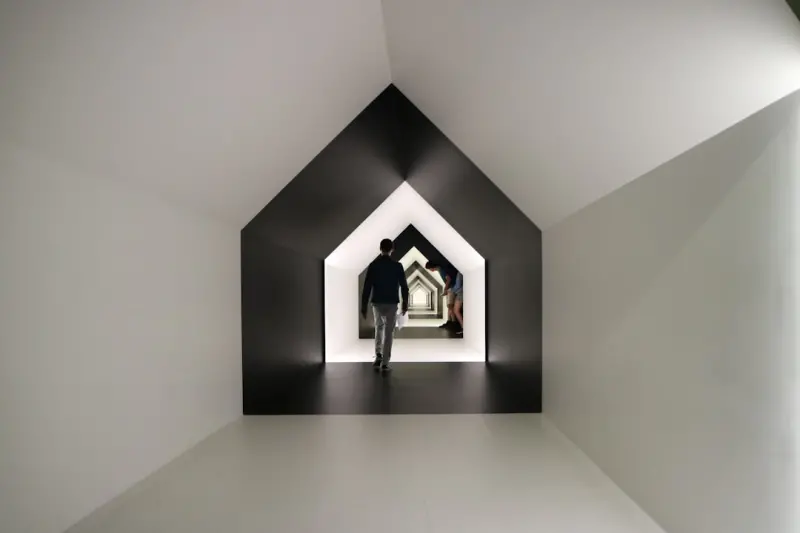
Ever walked into a room and felt the invisible pull of the fridge, the couch, the endless scroll of food‑filled ads? What if the battle isn’t just in the kitchen or the gym, but in the very layout of the spaces you inhabit? I’ve spent years chasing the next diet trend, only to discover that lasting weight loss often starts with a subtle, but powerful, redesign of our everyday environment. Let’s dive into how you can turn your home, office, and even digital spaces into allies that gently nudge you toward a healthier weight—without feeling like you’re on a strict regimen.
Why Environment Beats Willpower (Most of the Time)
Willpower is a finite resource. Neuroscience shows that the prefrontal cortex—our decision‑making hub—gets fatigued after repeated self‑control tasks. When you’re exhausted, the brain defaults to the path of least resistance, which usually means grabbing the nearest snack. By reshaping the cues around you, you can offload the decision‑making from your brain to the environment itself.
Think of it like setting up a gravity‑assist for healthy habits. Instead of fighting cravings, you create a setting where the healthier choice is the easy, default one. This isn’t about depriving yourself; it’s about orchestrating an environment where the “right” option feels natural.
The Three Pillars of Weight‑Loss Architecture
My approach breaks down into three simple, yet surprisingly effective, pillars:
- Visibility: Make nutritious foods and movement opportunities prominent, while subtly hiding the temptations.
- Accessibility: Reduce friction for healthy actions—think ready‑to‑eat veggie packs or a yoga mat rolled out the night before.
- Feedback Loops: Use visual or auditory cues that celebrate small wins, reinforcing the behavior.
Let’s explore each pillar with practical, low‑budget tweaks you can implement right now.
1. Visibility: Rearranging the Landscape of Choice
Our eyes are naturally drawn to the bright, the new, and the easily reachable. A study from the University of Minnesota found that placing fruit at eye level increased its consumption by 30 % compared to keeping it in the pantry.
Kitchen hacks
- Front‑load the fridge: Store pre‑washed greens, berries, and lean proteins in clear containers on the top shelf. The more you see them, the more likely you’ll reach for them.
- Hide the junk: Store cookies, chips, and sugary drinks on higher or lower shelves, or better yet, in a separate cupboard. Out of sight truly can become out of mind.
If you’re a fan of culinary creativity, you might enjoy exploring creative cooking strategies that turn meal prep into a playful experiment rather than a chore. The key is to keep the healthy ingredients front and center.
2. Accessibility: Making the Healthy Path the Path of Least Resistance
Imagine you’re on a tight deadline and the only snack in reach is a bag of chips. It’s not a lack of discipline; it’s a matter of convenience. Reducing the “activation energy” needed for a healthy choice can be a game‑changer.
- Prep ahead: Spend a Sunday chopping veggies, portioning nuts, and cooking proteins. Store them in individual containers so you can grab a balanced snack in seconds.
- Strategic placement: Keep a reusable water bottle on your desk and a set of resistance bands next to your couch. When you feel the urge to snack, reach for water or a quick set of squats instead.
- Micro‑movement zones: Designate a corner of your living room as a “movement nook.” A yoga mat, a small set of dumbbells, and a motivational poster can transform idle time into calorie‑burning moments.
These micro‑adjustments echo the philosophy of micro‑shifts for everyday balance. The idea is that tiny, sustainable changes compound over weeks and months, leading to noticeable weight loss without the overwhelm.
3. Feedback Loops: Celebrate the Small Wins
Human beings are wired to seek rewards. By creating immediate, positive feedback for healthy behaviors, you reinforce the habit loop.
- Visual trackers: Use a magnetic fridge board to move a colored tile each time you choose a veggie snack. Watching the board fill up provides a satisfying sense of progress.
- Audio cues: Set a gentle chime on your phone that rings when you stand up and walk for five minutes. The sound acts as a celebratory reminder.
- Social proof: Share your micro‑wins on a private Slack channel or a supportive group chat. The accountability and praise boost motivation.
Designing Digital Spaces for Weight‑Loss Success
Our screens are saturated with food imagery that can trigger cravings. A few intentional digital tweaks can shield you from this constant barrage.
- Curate your feeds: Unfollow accounts that post endless dessert photos. Follow nutritionists, movement coaches, and mindful living pages that inspire healthy habits.
- Use browser extensions: Tools like “Food Blocker” replace food‑related keywords with neutral images, reducing subconscious triggers.
- Set reminders: Schedule notifications to stand up, stretch, or drink water. Even a simple “Take a breath” alert can interrupt mindless snacking.
Case Study: From Cluttered Kitchen to Calm, Calorie‑Smart Space
Meet Maya, a freelance graphic designer who struggled with late‑night snacking. Her kitchen was a maze of takeout containers and hidden candy bars. By applying the three pillars, she transformed her space in three weeks:
- Visibility: She placed a bowl of fresh berries on the countertop and stored all processed snacks in a high cabinet.
- Accessibility: She pre‑portion‑ed salads and protein boxes every Sunday, keeping them ready in the fridge.
- Feedback: Maya used a simple sticky‑note system on her fridge: each time she chose a healthy snack, she added a note. After a month, the fridge was covered in green notes—her visual proof of success.
The result? Maya reported a 5‑lb weight loss in the first month and, more importantly, a reduced urge to binge on junk food. Her story illustrates how environmental redesign can produce tangible outcomes without drastic diet overhauls.
Integrating Movement Into Everyday Architecture
Weight loss isn’t only about what you eat; it’s also about how much you move. By embedding movement into your environment, you turn everyday activities into calorie‑burning opportunities.
- Staircase appeal: Paint the risers with bright colors or motivational quotes to make taking the stairs more inviting.
- Active workstations: Swap a traditional desk for a standing desk or a balance board. The subtle engagement of core muscles throughout the day adds up.
- Walk‑and‑talk meetings: Propose walking meetings instead of conference‑room sit‑downs. It not only burns calories but also sparks creativity.
Addressing Common Objections
“I don’t have time to redesign my space.” Start small. Move one snack drawer, place a water bottle on your desk, and add a post‑it reminder. Each micro‑change takes under five minutes.
“I’m on a tight budget.” Many adjustments use items you already own: reposition furniture, use a reusable bottle, or repurpose a cardboard box as a snack organizer.
“I’m not a design expert.” You don’t need an interior designer. Think of it as a functional layout—prioritize visibility, accessibility, and feedback, and you’ll see results.
Putting It All Together: Your 7‑Day Blueprint
Ready to test the concept? Here’s a simple roadmap to kickstart your weight‑loss architecture:
- Day 1‑2: Audit Walk through each room. Note where unhealthy foods are visible, where movement is restricted, and where you lack feedback tools.
- Day 3‑4: Reorganize Move healthier foods to eye level, hide the junk, and set up a “movement nook.” Place a water bottle within arm’s reach.
- Day 5‑6: Add Feedback Stick a magnetic tile board on the fridge, set a gentle chime for standing breaks, and share a daily win in a supportive group.
- Day 7: Reflect Review your experience. What felt easier? What still needs tweaking? Adjust and repeat.
By the end of the week, you’ll have a tangible shift in your environment that supports weight loss without demanding an all‑or‑nothing mindset.
Beyond the Home: Community Spaces as Catalysts
Think bigger than your personal domain. Public libraries, coworking hubs, and even grocery stores can be reimagined to promote healthier choices.
- Library “Wellness Corners”: Place a basket of fruit near the entrance, encouraging patrons to snack healthily while browsing.
- Coworking “Stretch Stations”: Install a wall‑mounted resistance band set and a reminder board for quick micro‑workouts.
- Grocery Store Layout: Arrange produce at the front of the aisle, making fresh options the first thing shoppers see.
When entire ecosystems prioritize health‑forward design, individual weight‑loss journeys become smoother and more sustainable.
Conclusion: Your Space, Your Ally
Weight loss isn’t a battle fought solely at the dinner table. It’s a continuous dialogue between you and the spaces you occupy. By reshaping visibility, accessibility, and feedback loops, you empower yourself to make healthier choices effortlessly. The next time you feel a craving, glance at your environment—if it’s set up to support you, the decision becomes clear.
Start small, stay consistent, and watch how your surroundings become a silent, supportive coach on your weight‑loss journey.

Sarah Gray is a proud Canadian who calls Brampton home, where she lives with her husband, Paul. A passionate home cook and gifted storyteller, Sarah loves creating delicious recipes and sharing stories inspired by everyday life, family, and cherished experiences. When she isn't experimenting in the kitchen, she's busy crafting engaging content that reflects her warmth, creativity, and love of connection. Above all, Sarah treasures time spent with her grandchildren, embracing every opportunity to create lasting memories with the people she loves most.
Related Posts
The Weight Loss Journey: A Holistic Approach to Sustainable Results
A successful weight loss journey requires a deep understanding of our physical, emotional, and menta... Read More
Habit Stacking Secrets for Lasting Weight Loss
Learn a fresh, psychology‑driven approach to weight loss that uses habit stacking, micro‑movemen... Read More
Game On: Turning Weight Loss into a Competitive Quest
Transform weight loss from a solitary grind into a fun, competitive quest with gamified challenges, ... Read More
Top Posts

Food Pairing Hacks to Supercharge Your Brain at Work
Learn how strategic food combinations—like whole grains with omega‑rich nuts or dark chocolate with berries—can sharpen focus and sustain mental energy th...Read More
The Quiet Power of Food Pairing: Boosting Brain Performance Through Strategic Nutrition
Explore the science of nutrient synergy and learn practical food pairings, timing strategies, and environmental tips that turn everyday meals into powerful tool...Read More

The Silent Symphony: How Workplace Stress Plays on Your Liver
Explore the hidden ways workplace stress and digital habits strain the liver, and get a 7‑day reset plan with movement, nutrition, and stress‑management tac...Read More

Beyond the Gym: Unlocking Muscle Growth Through Everyday Hormones and Habits
Nikki McDonald reveals the three hidden levers—stress, sleep, and mindset—that dictate muscle growth, offering actionable habits, nutrition timing, and tech...Read More
0 Comments
Post Comment
You will need to Login or Register to comment on this post!