
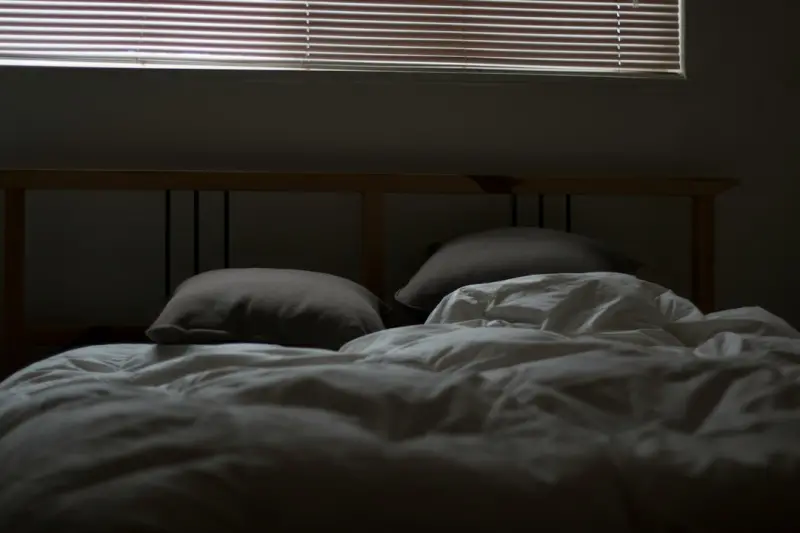
When the Night Won’t Cooperate: Rewiring Insomnia with Sensory Reset
It’s 2 a.m., the ceiling fan hums, and the only thing keeping my eyes open is the persistent chorus of my own thoughts. I’ve been there—staring at the ceiling, scrolling through a phone that promises distraction but delivers a neon‑lit reminder that my brain is still running a marathon. Insomnia isn’t just “can’t fall asleep”; it’s a full‑blown negotiation with every sense, every habit, and every bit of data my body is silently broadcasting.
In my years of juggling product launches, data dashboards, and the occasional midnight brainstorming session, I’ve learned that the best solutions don’t come from “try a pillow” advice. They come from listening to the subtle cues our bodies send when the lights go out and the mind refuses to switch off. This post is a deep dive into a sensory‑first, data‑informed method to calm the night‑time storm, and it’s rooted in personal trial, scientific curiosity, and a pinch of creative experimentation.
Why Traditional “Sleep Hacks” Miss the Mark
Most insomnia articles fall into one of three camps: “count sheep,” “limit caffeine,” or “invest in a high‑tech mattress.” While there’s merit to each, they treat insomnia as a one‑size‑fits‑all problem. In reality, insomnia is a symptom of a mismatch between our internal sensory environment and the external world we’ve built around us. Think of it like trying to watch a 4K movie on a dial‑up connection—no matter how good the content, the experience is jarring.
When you consider the cascade of sensory inputs that flood your brain in the hour before sleep—blue light from screens, the hum of an HVAC system, the faint scent of dinner lingering in the kitchen—each of these can tip the scales toward wakefulness. The missing piece is a systematic way to align those inputs so they collectively signal “it’s time to rest.”
Step 1: Map Your Night‑Time Sensory Landscape
The first step is simple: become a sensory cartographer. For a week, note everything that surrounds you from the moment you dim the lights until you finally drift off (or give up). Use a notebook or a phone note app, but keep the format minimal—just time, stimulus, and reaction. Here’s a quick template:
- 8:30 pm – Bright kitchen lights, cooking aromas – Feeling alert
- 9:45 pm – Smartphone screen (blue light) – Heart rate spikes
- 10:15 pm – Warm shower, steam – Relaxed muscles
- 10:45 pm – Bedroom fan (white noise) – Mind drifts
This mapping reveals patterns you might never notice. For instance, you may discover that a particular fragrance from dinner lingers and keeps you wired, or that the fan’s hum is the only thing that can drown out mental chatter. Once you have the map, you can start editing the landscape.
Step 2: Curate Your Light Palette
Light is the most powerful zeitgeber for our circadian rhythm, yet most of us treat it like an afterthought. The night‑time illumination you choose can either tell your brain “stay alert” or “wind down.”
Here’s a quick audit:
- Blue‑rich LEDs (smartphone, TV, computer) – Suppress melatonin, increase alertness.
- Cool white bulbs (kitchen, hallway) – Neutral, but still signal daytime.
- Warm amber lights (bedside lamps, candles) – Signal evening, promote melatonin.
Swap your night‑stand lamp for a low‑intensity amber bulb, install a “night mode” on all devices, or use a blue‑filter screen protector. Even better, consider a gradual dimming schedule that mirrors sunset, letting your brain transition naturally.
Step 3: Harness Ambient Sound as a Sensory Anchor
Sound can be either a soothing tide or a disruptive wave. I experimented with three sound strategies:
- Consistent low‑frequency hum (white noise or fan) – Provides a stable background that masks sudden noises.
- Nature recordings (rain, forest) – Offers a gentle rhythmic pattern that can sync with breathing.
- Silence – For some, the absence of sound eliminates the brain’s need to “fill the void.”
Test each for a few nights. Keep a log of how quickly you fall asleep and how many awakenings you experience. For me, the fan’s steady hum was the most reliable anchor because it also kept the room temperature stable—a subtle but important factor.
Step 4: Align Temperature and Texture
Our bodies love predictability, especially when it comes to thermal comfort. A bedroom that’s too warm can keep the core temperature high, delaying the natural dip that signals sleep. Aim for a bedroom temperature between 60‑67 °F (15‑19 °C). If you can’t adjust the thermostat, use breathable linens, a cool‑touch mattress pad, or a lightweight blanket that you can easily shed.
Texture matters, too. The feel of sheets, pillowcases, and even the mattress cover can influence comfort. I swapped my polyester pillowcase for a bamboo‑fiber one, and the subtle cooling effect was enough to shave off ten minutes from my “sleep‑onset latency.”
Step 5: Integrate Data‑Driven Insights Without Obsessing
We live in a world where data is everywhere—from step counters to heart‑rate monitors. For insomnia, a simple real‑time glucose tracker can reveal hidden spikes that correlate with nighttime wakefulness. Even if you’re not diabetic, glucose fluctuations can affect alertness.
Here’s a low‑effort method:
- Wear a basic fitness tracker that logs heart rate and sleep stages.
- Log meals and caffeine intake.
- At the end of each week, glance at the data to spot any consistent spikes before bedtime.
If you notice a pattern—say, a late‑afternoon espresso pushing heart rate up for three hours—adjust accordingly. The goal is to use the data as a compass, not a ruler.
Step 6: Create a “Sensory Reset” Routine
Now that you’ve identified the sensory triggers, it’s time to design a concise routine that signals to your nervous system that it’s shutdown time. My “Sensory Reset” looks like this:
- 30 minutes before bed – Dim lights, switch devices to night mode, and brew a caffeine‑free herbal tea.
- 15 minutes before bed – Take a warm shower, using a lavender‑scented body wash (lavender has mild anxiolytic properties).
- 5 minutes before bed – Dim the bedside lamp to amber, place the fan on low, and lay a bamboo sheet over the bed.
- Lights out – Slip into bed, place a hand on your chest, and practice a 4‑7‑8 breathing pattern for two minutes.
This sequence isn’t a rigid script; it’s a sensory choreography that trains your brain to associate each cue with the next, culminating in sleep.
Step 7: Reframe the Narrative Around “Restlessness”
One hidden barrier to sleep is the mental story we tell ourselves: “I’m restless, I can’t sleep, this is a failure.” That narrative fuels the anxiety loop. Instead, adopt a mindset of observation. When thoughts wander, label them lightly—“thinking,” “worrying,” “planning”—and gently bring attention back to the breath. This is not meditation in the traditional sense; it’s a brief, non‑judgmental check‑in that prevents the mental treadmill from accelerating.
Step 8: Test, Tweak, and Celebrate Small Wins
Insomnia isn’t cured overnight. Treat each week as a mini‑experiment. Change one variable (e.g., light hue) while keeping the rest constant. Record the impact on sleep onset and quality. Celebrate any improvement, no matter how modest. Over time, the cumulative effect of these micro‑adjustments can turn a restless night into a predictable, restorative experience.
Real‑World Example: From Tossing to Tranquil
Two months ago, I was stuck in a loop of 2‑hour nights. I started with a sensory map and discovered that my evening “quick‑scroll” habit on the phone was the biggest culprit. I introduced a “screen‑free zone” 45 minutes before bed, swapped my LED bedside lamp for a soft amber bulb, and added a small indoor plant that released a faint citrus scent. I also began tracking my heart rate with a basic wearable. Within a week, my average sleep onset dropped to 30 minutes, and I woke up feeling refreshed.
Notice the pattern? Small sensory edits, combined with a data‑backed awareness of how my body responded, produced a dramatic shift. This is the core message: insomnia isn’t a monolithic beast; it’s a collection of sensory mismatches that you can systematically address.
Looking Ahead: The Future of Sensory‑Centric Sleep Solutions
Technology is moving toward smarter environments—lights that adjust automatically, beds that monitor temperature and heart rate, and apps that suggest personalized bedtime playlists. While these tools can be powerful, the foundation remains the same: understanding and aligning the sensory inputs that govern our sleep architecture.
As we continue to embed sensors into our homes, the next wave of insomnia solutions will likely be less about “what to avoid” and more about “what to invite.” Imagine a bedroom that subtly shifts its light spectrum, temperature, and ambient sound based on real‑time biometric feedback. That’s the horizon we’re heading toward, and the practices you start today will set the stage for a seamless transition.
In the meantime, remember that you hold the remote control for your night‑time environment. By mapping, adjusting, and honoring the sensory signals your body sends, you can turn those sleepless evenings into a calm, regenerative ritual. Sweet dreams—and may your senses finally find harmony.

Brandy Miller is a dynamic freelance writer based in the vibrant city of Cambridge, Ontario. With a passion for storytelling that knows no bounds, she crafts compelling narratives that captivate and inspire. Brandy’s love for writing shines through in her versatile work, whether she’s penning thought-provoking articles or engaging content that resonates with readers. Her unique perspective and friendly tone make her a sought-after voice in the writing community. When she’s not weaving words together, you can find her exploring the beautiful landscapes of Ontario, always seeking new adventures and inspiration for her next piece. Brandy is not just a writer; she’s a creative force, making her mark one word at a time.
Related Posts
The Alarming Rise of Insomnia: A Comprehensive Approach to Understanding and Managing Sleep Disorders
Insomnia affects millions worldwide, causing fatigue, decreased focus, and a lower quality of life. ... Read More

When Sleep Plays Hard to Get: Harnessing Insomnia as a Growth Tool
Learn practical, science‑backed strategies to transform sleepless nights into a productive, insigh... Read More

The Nighttime Canvas: Turning Sleepless Hours into a Personal Masterpiece
Insomnia isn’t a failure but a signal. This post explores how to use nighttime wakefulness as a ca... Read More
Top Posts
Unlocking Cognitive Resilience: A Fresh Playbook for Modern Professionals
Learn how to transform stress into a growth signal with three practical pillars—environmental micro‑breaks, purpose‑driven micro‑goals, and play‑infus...Read More

Digital Therapeutics: How Apps and AI Are Transforming Personal Health
A deep dive into digital therapeutics reveals how AI‑powered apps, wearables, and insurance partnerships are creating personalized, evidence‑based health so...Read More

Reclaiming Masculine Vitality: A Blueprint for Sustainable Energy
A practical guide outlines hormonal balance, nutrient density, and lifestyle architecture to help men restore lasting vigor and sustainable energy....Read More

The Narrative Weight‑Loss Method: Rewrite Your Body Story for Real Change
A fresh take on weight loss, this post shows how to replace numbers with a meaningful personal story, using micro‑scripts, gut insights, and brain‑fuel hack...Read More
0 Comments
Post Comment
You will need to Login or Register to comment on this post!