
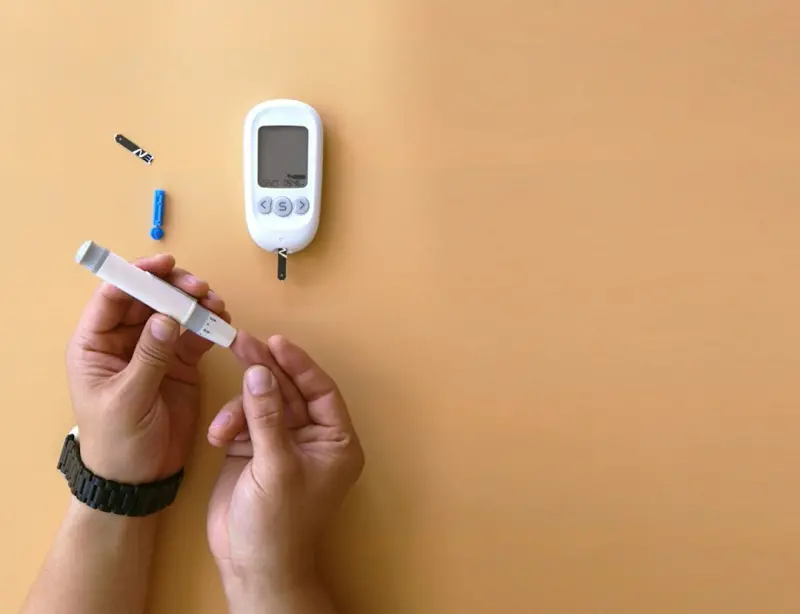
Seeing the Early Warning Signs: A Data‑Driven Playbook for Pre‑diabetes in the Modern Office
When the first lab result whispers “elevated glucose,” most of us think of a future‑proof plan that lives on the fringes of the workday – a weekend hike, a new cookbook, a gym membership. In reality, the window between normal and full‑blown diabetes is wide enough to embed preventive actions right where people spend the bulk of their waking hours: at their desks.
In this post I’ll walk you through a fresh framework that blends real‑time health telemetry, predictive analytics, and low‑friction habit nudges—all without demanding a radical lifestyle overhaul. Think of it as a health‑first operating system for teams that turns early glucose signals into concrete, measurable actions.
Why Pre‑diabetes Deserves a Seat at the Business Table
Pre‑diabetes isn’t just a medical label; it’s a silent productivity risk. Employees who sit with chronically elevated glucose often report reduced stamina, slower mental recovery after intense focus sessions, and a higher likelihood of absenteeism due to fatigue‑related ailments. The hidden cost shows up in missed deadlines, lower collaboration quality, and increased health‑care spend.
By treating pre‑diabetes as a key performance indicator (KPI) for workforce wellness, organizations can:
- Identify at‑risk individuals before symptoms manifest.
- Deploy targeted interventions that align with daily workflows.
- Quantify the return on investment (ROI) of wellness programs with the same rigor applied to software releases.
Step 1: Capture the Data You Already Have
The first pillar of the playbook is to surface data that already exists in the ecosystem. Many companies equip their staff with smart watches, fitness trackers, or corporate wellness platforms that capture heart‑rate variability, activity minutes, and even continuous glucose readings for a subset of volunteers.
Rather than building a brand‑new monitoring stack, integrate these streams into a unified health dashboard. The dashboard should be accessible via the same single‑sign‑on (SSO) gateway employees use for their productivity tools, ensuring a seamless experience.
Key metrics to surface:
- Average fasting glucose over the past seven days.
- Post‑prandial glucose spikes after major meals.
- Daily movement minutes (including standing desk usage).
- Sleep consistency scores.
Step 2: Apply Predictive Modeling to Spot the Curve
With a baseline of biometric inputs, the next step is to run a lightweight machine‑learning model that flags individuals who are trending toward pre‑diabetes. The model can be trained on anonymized historical data from similar companies, using variables such as age, BMI, activity minutes, and glucose trends.
Because the goal is early detection, the algorithm should prioritize sensitivity over specificity. A false positive (someone flagged who is actually fine) simply triggers a gentle nudge; a false negative (missing a real risk) could delay crucial preventive steps.
Step 3: Translate Risk Scores into Actionable Nudges
Once the system assigns a risk score, it should automatically generate micro‑interventions that can be completed within the flow of work. Here are three proven categories:
- Hydration Prompts: Studies show that staying well‑hydrated can blunt glucose spikes after meals. A subtle popup reminding users to sip water after lunch can be enough.
- Movement Breaks: Short, purposeful bursts of activity—like a two‑minute stair climb or a desk‑based stretch routine—help muscles absorb glucose more efficiently. The key is to keep the break under five minutes so it doesn’t feel like a disruption.
- Meal Timing Guidance: Instead of prescribing a strict diet, suggest simple timing adjustments, such as delaying a heavy afternoon snack until after a scheduled walk.
Each nudge should be tied to a measurable outcome on the dashboard, letting employees see the immediate impact of their choices. When they notice a dip in post‑meal glucose after a 2‑minute walk, the behavior reinforces itself.
Step 4: Build Community Support Without Adding Complexity
Human beings thrive on social reinforcement. Create optional, low‑commitment groups—like “Midday Movers” or “Glucose Guardians”—where participants can share progress, celebrate small wins, and swap tips. The groups can operate through existing communication channels (Slack, Teams) and use emojis or short badges to mark achievements.
Because the focus is on incremental change, the community should avoid jargon that feels clinical. A simple “✅ Completed 2‑minute walk” reaction can be enough to spark a ripple effect.
Step 5: Iterate with Evidence‑Based Adjustments
Just as software teams release patches, the health operating system should be refined quarterly. Pull data on which nudges achieved the biggest glucose reductions, which were ignored, and which sparked conversations in the community groups.
Use those insights to:
- Adjust the timing or phrasing of prompts.
- Introduce new micro‑interventions that align with emerging research.
- Scale successful strategies company‑wide while retiring low‑impact ones.
Bridging the Gap Between Data and Everyday Choices
One of the biggest challenges in tackling pre‑diabetes is translating abstract numbers into tangible daily actions. The comprehensive blood sugar management guide demonstrates how small, consistent adjustments can outpace drastic diet overhauls. By borrowing that mindset, you can embed health‑centric choices directly into the work rhythm without demanding a lifestyle revolution.
Similarly, the gut‑centric performance insights highlight how digestive health influences cognitive stamina. When combined with the glucose‑focused framework outlined here, you get a holistic view of metabolic health that supports both brain and body.
Finally, aligning wellness interventions with the body’s natural clock can amplify results. The circadian rhythm optimization resource provides a practical overview of how timing meals, movement, and rest can synergize with glucose regulation.
Measuring Success: What to Track After Implementation
To prove that the program delivers value, keep an eye on both health and business metrics:
- Health Metrics: Reduction in average fasting glucose, fewer spikes above the pre‑diabetes threshold, and improved sleep consistency scores.
- Productivity Metrics: Decreased self‑reported fatigue, higher task completion rates during the post‑lunch window, and lower short‑term sick‑leave incidence.
- Engagement Metrics: Participation rates in micro‑intervention prompts, community group activity levels, and feedback survey scores on perceived wellness support.
When you see a downward trend in glucose numbers alongside a boost in productivity, you have concrete evidence that the health‑first operating system is paying dividends.
Common Pitfalls and How to Sidestep Them
Pitfall 1 – Over‑loading Employees: Bombarding staff with too many prompts can lead to alert fatigue. Start with one or two nudges per day and expand only after adoption metrics look healthy.
Pitfall 2 – One‑Size‑Fits‑All Messaging: Not everyone responds to the same cue. Offer a small set of prompt styles (text, emoji, gentle sound) and let users select their preference.
Pitfall 3 – Ignoring Privacy Concerns: Transparency is critical. Clearly explain how data is used, anonymize personal identifiers in aggregate reports, and give employees the option to opt out without penalty.
Future Outlook: From Reactive to Proactive Wellness
Imagine a future where the same analytics engine that predicts churn also flags metabolic risk, prompting a pre‑emptive “wellness sprint” before a single sick day occurs. By integrating health telemetry into the core feedback loops that already drive product development, organizations can evolve from reacting to health events to preventing them altogether.
In that world, pre‑diabetes is no longer a looming crisis; it becomes a data point that triggers a brief, supportive nudge, keeping the workforce energized, focused, and resilient.
Take the First Step Today
Start small: pull the existing biometric data you already have, set up a basic dashboard, and launch a single 2‑minute movement prompt for the next month. Track the change in glucose readings and employee feedback. If the pilot shows even modest improvement, you’ve built a foundation for a scalable, data‑driven wellness ecosystem that safeguards your team’s long‑term health.
Remember, the most powerful interventions are the ones that slip seamlessly into the flow of work, requiring almost no extra effort. When health becomes an invisible, supportive layer under daily tasks, pre‑diabetes loses its edge, and productivity gains a silent, steady boost.

Related Posts
Redefining Prediabetes: A Personal Journey Toward Hormonal Harmony
Tammy French shares a fresh, hormone‑focused approach to prediabetes, blending stress reduction, s... Read More
Gamified Community Challenges: A New Playbook for Prediabetes Prevention
Learn how to use gamified community challenges to transform prediabetes prevention from a solitary t... Read More
Prediabetes: Turning Early Signals into Personal Growth
A practical guide shows how prediabetes can be a catalyst for personal health growth, leveraging dat... Read More
Top Posts

Micro‑Daylight and Creative Rituals: A Fresh Playbook to Quiet Insomnia
A fresh insomnia playbook blends micro‑daylight exposure, strategic naps, creative sensory journaling, and analog night rituals to reset your circadian rhythm...Read More

Grounding Your Way to a Cleaner Body: How Earth Contact Boosts Detox
Grounding, or earthing, provides electrons that act as natural antioxidants, supporting the liver, lymphatic system, and gut to clear toxins more efficiently. L...Read More

Micro‑Movements, Gamified Points, and Habit Stacking: A Fresh Blueprint for Sustainable Weight Loss
A practical guide that merges micro‑movements, gamified calorie deficits, and habit stacking to create a sustainable, data‑driven weight‑loss system witho...Read More

Unlocking Hidden Hypertrophy: A Neuro‑Mindful Blueprint for Muscle Gain
A fresh, neuro‑focused strategy for building muscle that goes beyond reps, integrating brain‑muscle link, micronutrients, sleep optimization, and tech‑dri...Read More
0 Comments
Post Comment
You will need to Login or Register to comment on this post!