
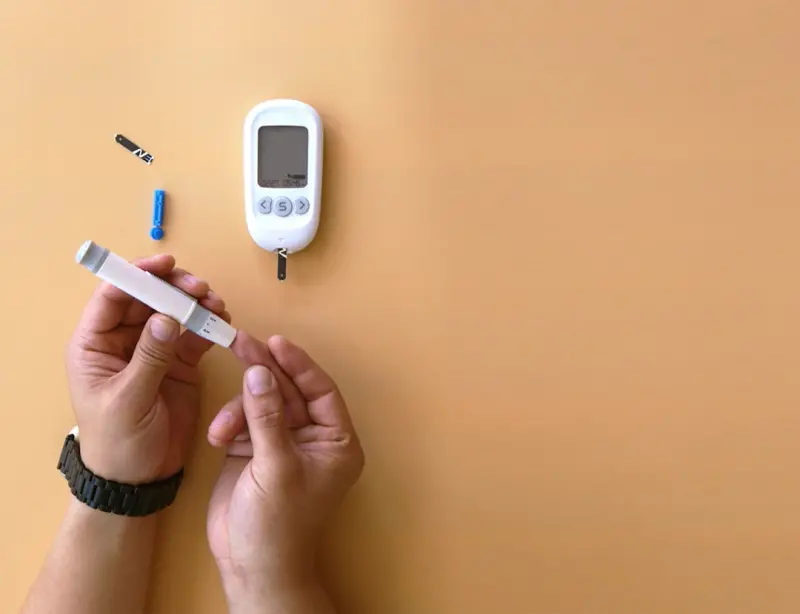
Seeing Prediabetes as a Personal Dashboard, Not a Diagnosis
When my blood test returned a borderline HbA1c a few months ago, my first reaction was alarm. The word “prediabetes” felt like a warning label slapped on my health profile. But after a night of research and a cup of black coffee, I realized that the label is more of a real‑time dashboard than a fate. It tells you exactly where your body’s glucose‑handling system is humming, and more importantly, where the knobs can be turned.
In the tech world, a dashboard isn’t a problem; it’s an opportunity to intervene before a system crashes. I’ve started treating my prediabetes results the same way: a data point that invites curiosity, experimentation, and incremental improvement. This mindset shift has transformed a moment of dread into a roadmap for healthier living.
The Hidden Power of Curiosity
Curiosity isn’t just for scientists and philosophers. It’s a practical tool for anyone who wants to understand why their body reacts the way it does. When I asked myself, “What’s really driving my glucose spikes?” I began to notice patterns that were previously invisible.
For instance, a seemingly innocuous habit—checking my phone at the kitchen counter while sipping a latte—turned out to be a micro‑stress trigger. The brief surge of cortisol from the mental “switch‑task” moment nudged my blood sugar upward. By simply moving my phone to the other side of the table, the spikes softened.
If you’re skeptical, consider this quick experiment: pick one daily routine, observe the glucose response, and ask a “what‑if” question. What if you replace your mid‑morning pastry with a handful of nuts? What if you stand up for five minutes before lunch? The answers will often surprise you.
Curiosity as a habit‑engineering principle is explored in depth in Why Curiosity is the Secret Ingredient for a Longer, Healthier Life. Apply that same inquisitive lens to your blood work, and the data becomes a story you can rewrite.
Micro‑Habits: Small Levers, Big Outcomes
Large lifestyle overhauls are tempting to read about, but they’re also the most common reason people quit. I’ve found that micro‑habits—tiny, repeatable actions—create a compounding effect that rivals any drastic diet plan.
- Morning hydration cue: Place a glass of water next to your alarm clock. Drink it before you even reach for your phone. Proper hydration improves insulin sensitivity, and the habit requires less than 10 seconds.
- Fiber first rule: Add a spoonful of chia seeds or a few berries to every breakfast. The extra soluble fiber slows glucose absorption, flattening the post‑meal spike.
- Step‑in‑break rule: Set a timer for every 90 minutes that reminds you to stand, stretch, or take a 2‑minute walk. The movement spikes muscle uptake of glucose without you even thinking about it.
Each of these actions can be measured with a simple glucometer or a continuous glucose monitor (CGM). When you see the data confirming that a 2‑minute walk drops your glucose by 5 mg/dL, the habit becomes self‑reinforcing.
Data‑Driven Decision Making: The CGM Advantage
Most of us think CGMs are for Type 1 diabetics, but they’re increasingly affordable for anyone interested in glucose trends. The real power lies in the visual feedback loop: you eat, you move, you see the impact instantly. That loop creates a brain‑reward circuit similar to the one triggered by gamified fitness apps, but with a health‑centric payoff.
When I first started logging my glucose after each meal, three patterns emerged:
- Carb timing matters more than carbs themselves. A bowl of oatmeal at 7 am caused a modest rise, while the same bowl at 3 pm produced a pronounced spike. The body’s insulin response varies throughout the day.
- Protein‑fat pairings blunt the rise. Adding a tablespoon of almond butter to my toast lowered the post‑meal peak by roughly 12 mg/dL.
- Stress, even short‑term, can undo a perfect meal. A 5‑minute argument before dinner added a cortisol‑driven glucose bump comparable to a sugary dessert.
These insights are only possible when you treat glucose as a dynamic metric, not a static label.
Leveraging Your Health Insurance for Preventive Power
Many people overlook the preventive resources baked into their health plans. From nutrition counseling sessions to discounted CGM rentals, there’s often more support than you realize.
Take a moment to dive into your benefits portal and search for keywords like “pre‑diabetes”, “nutrition”, or “wellness coaching”. You’ll be surprised how many programs are covered at 100 % when you frame them as preventive care. This approach is highlighted in Unlocking Hidden Value in Your Health Insurance, and it applies directly to managing prediabetes.
Here’s a quick checklist:
- Ask your primary care physician for a referral to a certified diabetes prevention educator.
- Check if your insurer offers a subsidized CGM trial period.
- Look for nutrition workshops that cover low‑glycemic cooking.
- Explore tele‑health options for regular check‑ins—many plans cover virtual visits without extra cost.
When you align your insurance benefits with your micro‑habit strategy, you turn a “cost” into an investment.
Reframing Food: From “Good/Bad” to “Strategic”
One of the biggest mental roadblocks I faced was the binary “good vs. bad” food narrative. That mindset fuels guilt and often leads to binge‑recovery cycles. Instead, I now view each bite as a strategic move on a chessboard.
For example, a slice of whole‑grain toast isn’t “bad” if you pair it with avocado and a sprinkle of chia seeds. The fat and fiber create a slower glucose release, turning the same carbohydrate into a low‑impact fuel source.
Similarly, a modest serving of dark chocolate can be a reward that satisfies cravings without spiking glucose, provided the cocoa content is 70 % or higher. The key is portion awareness and pairing, not blanket elimination.
The Role of Sleep and Stress—Beyond the Usual Talk
It’s easy to hear “sleep matters” and “stress hurts”, but the mechanisms that link these factors to prediabetes are often under‑explored. During deep sleep, the body undergoes a process called glycogen re‑synthesis, where muscle cells refill their glucose stores. Interrupting this phase forces the liver to release more glucose into the bloodstream, nudging insulin resistance higher.
Stress, on the other hand, triggers the release of cortisol and adrenaline—both of which signal the liver to dump stored glucose as a “fight‑or‑flight” response. Even if you’re not physically active, chronic mental stress can keep your glucose levels elevated for hours after the trigger passes.
Practical steps:
- Implement a wind‑down routine 30 minutes before bed—no screens, dim lights, and a short breathing exercise.
- Schedule a “stress audit” once a week: list three stressors, evaluate their impact, and brainstorm one small change to reduce each.
- Use a blue‑light filter on all devices after sunset to protect melatonin production, which indirectly supports insulin sensitivity.
Community as a Catalyst
In my own journey, joining a local “pre‑diabetes support circle” turned out to be a game‑changer. The group meets bi‑weekly for a 30‑minute “data‑share” where members discuss glucose trends, recipe swaps, and micro‑habit successes. The accountability and shared curiosity keep the motivation high.
If you can’t find a physical group, consider online forums or a simple WhatsApp chat with a few friends who have similar health goals. The social reinforcement acts like a subtle nudge, reminding you to stand up, hydrate, or choose a fiber‑rich snack.
Putting It All Together: A 30‑Day Action Plan
Below is a simple, data‑centric roadmap you can start today. Adjust the timeline to fit your schedule, but keep the core principles intact.
- Day 1‑3: Baseline Mapping
- Purchase a basic glucometer or arrange a CGM trial.
- Log fasting glucose each morning, and post‑meal glucose at 30‑minute intervals for three meals.
- Note accompanying activities (stress, sleep quality, hydration).
- Day 4‑10: Introduce Micro‑Habits
- Implement the “morning hydration cue”.
- Add a fiber boost to each meal (seeds, berries, legumes).
- Set a timer for a 2‑minute walk every 90 minutes.
- Day 11‑20: Data Review & Adjustment
- Compare glucose trends before and after habit changes.
- Identify the biggest glucose reducers and double‑down on them.
- Swap one high‑glycemic snack for a low‑glycemic alternative.
- Day 21‑30: Leverage Insurance & Community
- Schedule a preventive care visit, using insurance benefits for nutrition counseling.
- Join a support group or start a data‑share chat with a friend.
- Re‑evaluate sleep hygiene and stress‑reduction tactics.
At the end of the month, you should see a measurable dip in fasting glucose and a smoother post‑meal curve. More importantly, you’ll have built a set of habits that feel effortless because they’re tied to real‑time feedback.
Looking Ahead: From Prevention to Optimization
Prediabetes is not a dead‑end; it’s a launchpad. By treating your glucose numbers as a living dashboard, you gain the ability to iterate, experiment, and ultimately, optimize your metabolic health. The journey doesn’t stop at “normal” glucose levels—it continues toward a state where your body naturally maintains balance, and you feel energetic, focused, and in control.
Remember, the most powerful tool you have is your own curiosity. Pair it with data, micro‑habits, and the resources hidden in your health insurance, and you’ll turn a warning label into a badge of proactive health mastery.

William Roy is a freelance writer originally from Montreal who moved to Ottawa with his wife of 50 years to be closer to their grandkids. Alongside his writing, William has a passion for fishing.
Related Posts

Sleep Your Way Out of Prediabetes: Nighttime Strategies for Better Blood Sugar
Learn why sleep is a hidden lever for blood sugar control and get actionable nighttime routines, fro... Read More

Traveling with Prediabetes: Turning Trips into Metabolic Wins
Learn practical strategies for balancing blood sugar while traveling, from smart meal timing to onâ€... Read More
Reprogramming Prediabetes: Small Shifts That Rewrite Your Metabolic Story
Learn practical micro‑habits that target hidden glucose spikes, from desk‑dock stretches to digi... Read More
Top Posts

Rewiring Your Brain with Everyday Sensory Play
Explore practical, low‑effort sensory practices—soundscapes, tactile kits, visual color pops—and learn how to turn daily moments into brain‑boosting opp...Read More

Navigating Autoimmune Health: A Personal Blueprint for Everyday Resilience
Explore a unique, lived‑experience guide that blends environmental epigenetics, gut‑soil connection, and simple daily rituals to empower those living with a...Read More

Navigating Nighttime Panic: A Personal Guide to Overcoming Sleep Terrors
A first‑hand account of battling sleep terrors, with actionable breathing, visualisation, and bedroom hacks to turn frightening nights into restorative sleep....Read More

When Nightmares Turn Real: Living Through Sleep Terrors
A personal journey through the unsettling world of sleep terrors, offering science‑backed tips, sound‑based soothing, and mindful curiosity to transform nig...Read More
0 Comments
Post Comment
You will need to Login or Register to comment on this post!