
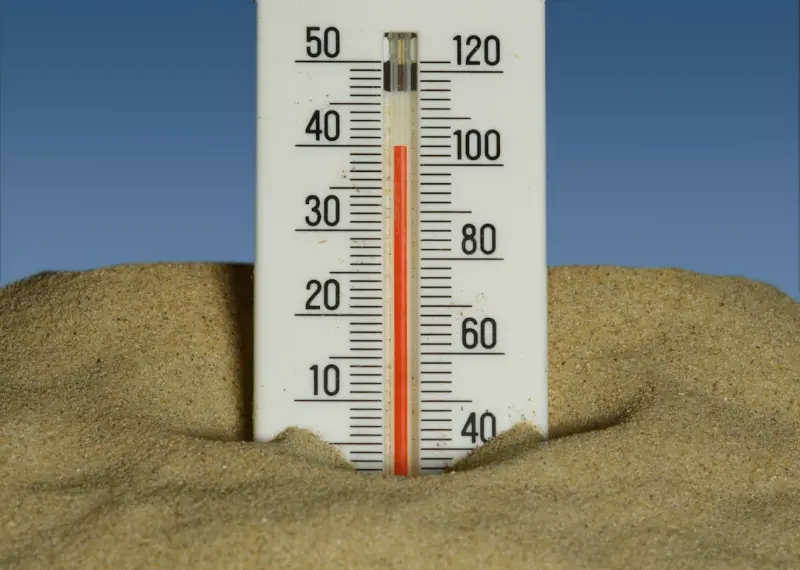
Turn Up the Heat: How Temperature Tricks Can Supercharge Your Weight Loss
When I first stumbled upon the idea of “thermal training” while researching unconventional fitness hacks, I thought it was just another gimmick. Fast‑forward a few months of disciplined cold showers, sauna sessions, and climate‑controlled workouts, and my body started behaving like a well‑tuned furnace—burning more calories at rest, stabilizing cravings, and even improving mood. If you’ve been chasing the next diet trend and feeling burned out, it might be time to look at the thermostat.
The Science Behind Adaptive Thermogenesis
Our bodies are marvelously adaptable. When exposed to temperature extremes, the hypothalamus (the brain’s thermostat) kicks in a cascade of hormonal responses to preserve core temperature. This process, called adaptive thermogenesis, can increase energy expenditure by up to 15% in some individuals. The mechanism is two‑fold:
- Shivering Thermogenesis: In the cold, muscles contract involuntarily, generating heat and burning calories.
- Non‑Shivering Thermogenesis: Brown adipose tissue (BAT) — the “good” fat — ignites to produce heat without shivering, turning stored calories into warmth.
Research shows that regular exposure to mild cold (around 60°F/15°C) can upregulate BAT activity, leading to a higher basal metabolic rate (BMR). Conversely, heat exposure through sauna or hot yoga can improve cardiovascular efficiency and promote fat oxidation post‑exercise.
Why Temperature Training Beats “More Cardio” (Sometimes)
Most weight‑loss plans lean heavily on cardio volume. While cardio is valuable, the body quickly adapts, and the marginal calorie burn tapers off. Thermal training, on the other hand, leverages a physiological lever that many overlook: the body’s built‑in furnace. By periodically shocking the system, you keep metabolic pathways “on edge,” preventing the plateau that plagues traditional programs.
Getting Started: Cold Exposure Without Going Full‑On Ice‑Man
Here’s a practical, low‑risk protocol to dip your toes into the cold without calling an ambulance:
- Morning Cold Splash: End your shower with a 30‑second burst of cold water. Focus on the neck and shoulders; the rest of the body follows.
- Cold‑Pack Intervals: Place a reusable ice pack on the upper back for 5 minutes after a workout. This not only aids recovery but also nudges BAT activation.
- Walk‑In‑The‑Cold: On a chilly morning, take a 10‑minute brisk walk wearing light layers. Aim for a temperature that makes you a little uncomfortable, not numb.
Consistency is key. The goal is to create a habitual stimulus, not a once‑off shock.
Heat Therapy: Saunas, Hot Baths, and “Thermal Conditioning”
Heat isn’t just a luxury; it can be a strategic weight‑loss tool. Regular sauna sessions (10‑20 minutes at 170–190°F) stimulate heart rate, mimic mild cardiovascular exercise, and enhance post‑exercise fat oxidation. The sweat itself isn’t the fat loss, but the hormonal response—especially the release of growth hormone and catecholamines—helps mobilize stored fat.
For those without a sauna, a hot bath with added Epsom salts (magnesium sulfate) can provide similar benefits. The magnesium helps relax muscles, improves circulation, and may aid in reducing cortisol, a hormone that encourages fat storage when chronically elevated.
Integrating Temperature Training with Everyday Workouts
Think of temperature as a training variable, just like intensity or volume. You can blend it into existing routines without overhauling your schedule:
- Cold‑Post‑Run: Finish a run with a 3‑minute cold shower to amplify post‑exercise thermogenesis.
- Sauna‑Pre‑Strength: Spend 10 minutes in a sauna before a strength session; the increased blood flow can improve muscle activation and, after the session, the body works harder to return to baseline.
- Contrast Therapy: Alternate 1 minute of hot water with 30 seconds of cold water for 5 cycles after a high‑intensity interval training (HIIT) workout. This “shock” can accelerate recovery and sustain elevated metabolism.
The Mental Edge: Why Temperature Training Improves Discipline
Beyond the physiological perks, there’s a psychological payoff. Voluntarily stepping into discomfort builds mental resilience—something I’ve seen time and again with athletes and entrepreneurs. When you can handle a cold shower, you’re less likely to cave to an extra slice of pizza later. It’s a small win that compounds.
Social Accountability: Turning Thermogenic Habits into Community Challenges
One of the biggest hurdles in any weight‑loss journey is consistency. I’ve found that framing thermal training as a group challenge multiplies adherence. Create a “Cold Club” with coworkers or friends: set a weekly target for cold exposure minutes and track progress together via a shared spreadsheet or app. Celebrate milestones with non‑food rewards—think a new water bottle or a weekend hike.
If you’re more heat‑oriented, organize a monthly sauna night. Pair it with a brief educational talk on the benefits and a light, protein‑rich snack afterward. The community vibe turns an isolated habit into a shared ritual, reinforcing commitment.
Potential Pitfalls and How to Avoid Them
While temperature training is promising, there are common missteps:
- Going Too Cold Too Fast: Extreme cold (below 40°F/4°C) without acclimation can trigger hypothermia. Start gentle and progress gradually.
- Ignoring Medical Conditions: Individuals with cardiovascular disease, Raynaud’s phenomenon, or uncontrolled hypertension should consult a physician before starting thermal protocols.
- Neglecting Recovery: Excessive cold can blunt the inflammatory response needed for muscle repair. Balance exposure with adequate rest and nutrition.
Complementary Strategies: Nutrition, Movement, and Microbiome
Thermal training shines when paired with sound nutrition and movement practices. For example, timing a protein‑rich snack after a sauna session supports muscle protein synthesis while the body is in a heightened metabolic state.
Speaking of synergy, if you’re curious about how gut health ties into weight management, you might find Gut Microbiome Mastery: A Fresh Path to Stable Blood Sugar an eye‑opening read. A balanced microbiome can enhance thermogenic responses, making your cold and heat sessions even more effective.
And for those who love to optimize their environment, Designing Your Space for Sustainable Weight Loss offers practical tips on setting up a home that encourages both movement and temperature experiments—like placing a portable sauna kit in a well‑ventilated corner or designating a “cold zone” in the bathroom.
Putting It All Together: A 4‑Week Sample Plan
Below is a starter schedule that blends cold, heat, and movement. Feel free to adjust based on your lifestyle and preferences.
| Day | Morning | Afternoon/Evening |
|---|---|---|
| Monday | 30‑second cold shower | 30‑minute strength training + 10‑minute sauna |
| Tuesday | 10‑minute brisk walk in light jacket | Yoga + 5‑minute cold‑pack on upper back |
| Wednesday | Cold water foot soak (5 min) | HIIT + contrast therapy (hot/cold cycles) |
| Thursday | Hot bath (15 min) with Epsom salts | Light cardio + 30‑second cold shower post‑run |
| Friday | Cold shower (30 sec) | Full‑body strength + 10‑minute sauna |
| Saturday | Outdoor hike (moderate temperature) | Recovery stretch + cold‑pack |
| Sunday | Rest or gentle hot tub soak | Meal prep, reflection, and community check‑in |
Track your weight, waist circumference, and how you feel each week. You’ll likely notice subtle shifts—better sleep, reduced cravings, and a steadier mood—before the scale moves dramatically.
Final Thoughts: Embrace the Thermic Edge
Weight loss is rarely a linear path. The most sustainable results come from stacking small, evidence‑backed habits that together shift the body’s set point. Temperature training is a low‑cost, high‑impact tool that taps into deep evolutionary mechanisms. Pair it with solid nutrition, purposeful movement, and a community that holds you accountable, and you’ll have a robust, adaptable framework for shedding pounds and keeping them off.
So, the next time you’re tempted to scroll through another “quick‑fix” diet article, consider setting the thermostat a few degrees higher—or lower. Your body’s furnace is waiting.

Tom Ferguson is a Canadian freelance writer with a passion for storytelling, current events, and thoughtful commentary. Drawing on years of writing experience, he shares engaging insights on a wide range of topics, bringing a uniquely Canadian perspective to his work.
Related Posts

Rewrite Your Weight Loss Narrative: From Dieting to Identity
Learn how to transform weight loss by rewriting your personal narrative, using identity‑based habi... Read More

Rewriting the Scale: How Narrative Play Can Unlock Sustainable Weight Loss
Turn weight loss into a compelling story by using narrative play, habit stacking, and data as allies... Read More

The Habit‑Stacking Blueprint: A Fresh Path to Consistent Weight Loss
Learn how to use tiny, repeatable habit stacks to transform daily routines, boost metabolism, and ac... Read More
Top Posts

Finding Calm in the Chaos: A Holistic Mental Health Journey
Explore a holistic mental health roadmap that blends body‑mind practices, supportive community narratives, and sustainable daily habits to transform stress in...Read More

Beyond Snoring: How Sleep Apnea Undermines Workplace Brainpower and What Tech Can Do About It
Sleep apnea silently erodes cognitive function and emotional stability, costing businesses in lost productivity. This post explores how wearable tech, chrononut...Read More

The Flavor‑First Blueprint: Redefining Nutrition for Creative Minds
A fresh approach to eating, this post shows how vibrant colors, varied textures, and enticing aromas can transform meals into a catalyst for creative performanc...Read More

When Nightmares Take the Stage: Navigating Sleep Terrors in Modern Life
Sleep terrors can hijack restful nights, but with a blend of science, cultural insight, and actionable habits, you can transform these episodes from frightening...Read More
0 Comments
Post Comment
You will need to Login or Register to comment on this post!