
Why Your Home’s Layout Matters More Than Your Willpower
When it comes to shedding pounds, most people reach for the latest diet plan or a high‑intensity workout routine. Yet, the silent architect of our eating habits is often the space we inhabit. The way cupboards, countertops, and even lighting are arranged can either nudge us toward healthier choices or sabotage our intentions without us even noticing.
The Science of “Choice Architecture” in the Kitchen
Behavioral economists call the subtle cues that steer decisions “choice architecture.” In a kitchen, this could be as simple as where the fruit bowl sits or how far the pantry is from the dining table. Research shows that when healthier foods are placed at eye level and within easy reach, people are up to 30% more likely to select them over less nutritious alternatives. Conversely, if snacks are hidden behind a maze of appliances, the extra effort required often discourages consumption altogether.
Step 1: Map Your Food Zones
Start by drawing a quick floor plan of your kitchen and dining area. Identify three distinct zones:
- Preparation Zone – where you chop, mix, and cook.
- Storage Zone – pantry, fridge, freezer.
- Consumption Zone – plates, bowls, and eating surfaces.
Once you’ve visualized these zones, you can strategically position items to support your weight‑loss goals.
Step 2: Elevate the Good Stuff
Place fruits, pre‑cut veggies, and nuts on the countertop or on a shelf that sits at shoulder height. This simple elevation does two things:
- Visibility – You see them, you think about them.
- Convenience – No need to rummage through a drawer.
When healthy options are the most accessible, you reduce the friction that often leads to reaching for the cookie jar.
Step 3: Hide the Temptation
Store high‑calorie snacks in opaque containers on the highest shelf of the pantry, or in a cabinet that’s out of sight. If you must keep them somewhere, consider a “neutral” zone like a high‑up shelf in a hallway closet, where the extra effort serves as a natural deterrent.
Step 4: Light It Up Right
Lighting influences appetite. Bright, cool‑white light in the kitchen during meal prep can signal alertness and reduce mindless grazing. In contrast, dim lighting in the dining area encourages slower eating, which gives your body time to register fullness. Swap out harsh bulbs for softer LEDs over the table and keep the workspace bright.
Step 5: Plate Your Portion Sizes
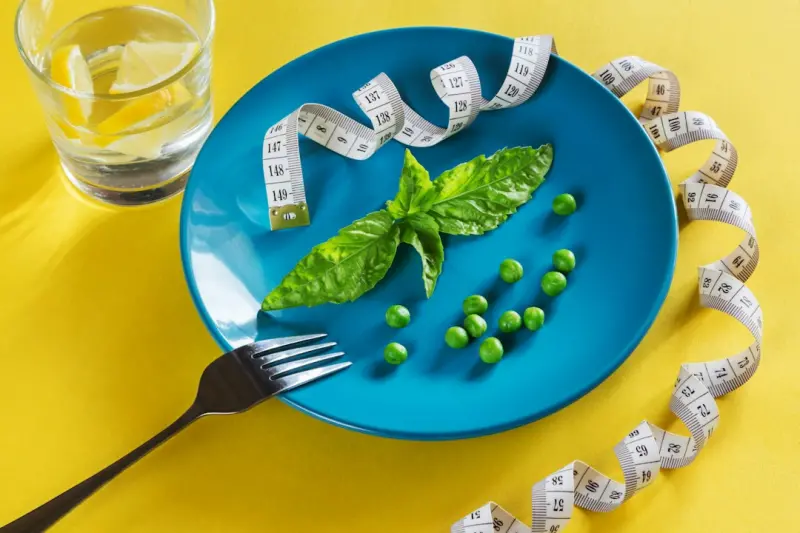
Studies indicate that people serve themselves roughly 30% more food when using large plates. Switch to smaller dinnerware, and the visual illusion of a full plate helps you eat less without feeling deprived. Pair this with a simple ritual: always start meals with a leafy green salad, which adds volume and fiber while keeping calories low.
Step 6: Leverage the Power of Habit Stacking
Habit stacking is the practice of attaching a new behavior to an existing routine. For weight loss, you might:
- Place a glass of water on the counter before you start cooking – a cue to hydrate.
- Set a timer to remind you to stand and stretch every 45 minutes while you’re working from home – a micro‑movement break that also combats sedentary snacking.
- Keep a “prep‑once‑a‑week” calendar next to the fridge, prompting you to chop veggies on Sunday evenings.
These tiny, intentional actions compound over time, turning your environment into a supportive ally.
Step 7: Mindful Scent Strategies
Our noses are wired to respond to aromas long before our eyes register food. A subtle scent of citrus or fresh herbs can reduce cravings for sugary snacks. Consider placing a small pot of basil or a citrus diffuser near the pantry entrance. The scent cue reinforces the idea that fresh, wholesome foods are the default option.
Step 8: Optimize Your Seating Arrangement
Where you sit matters. Eating at a table that’s close to the kitchen encourages faster meals, while a separate dining area promotes a more relaxed pace. If space allows, set up a dedicated eating nook away from work‑related devices. The physical separation helps your brain switch from “task mode” to “nourishment mode,” supporting better digestion and satiety signals.
Step 9: The Role of liver health and metabolism in Your Space Design
While the environment shapes behavior, the body’s internal engines dictate how efficiently calories are processed. A resilient liver is essential for metabolizing fats and sugars. By reducing exposure to processed foods (which often hide in hard‑to‑reach pantry corners), you give your liver a break, allowing it to function optimally. This synergy between external design and internal health creates a feedback loop: a cleaner environment supports liver health, and a healthier liver makes it easier to stick to your environmental cues.
Step 10: Harness gut health’s role in weight management Through Kitchen Layout
The gut microbiome thrives on diversity and fiber. By making whole grains, beans, and fresh produce the most visible items, you increase the likelihood of incorporating them into meals. Additionally, a dedicated “fermentation corner” – a small shelf for yogurt, kimchi, and kombucha – encourages the inclusion of probiotic‑rich foods that nurture beneficial bacteria, which in turn aid in weight regulation.
Step 11: Digital Reminders That Don’t Distract
Smartphones can be both a help and a hindrance. Instead of scrolling through social media while you cook, set up subtle push notifications that remind you of your next habit stack. For instance, a gentle alert at 6 p.m. could say, “Time to prep tomorrow’s lunch: grab that pre‑cut veggie tray.” Keep the tone encouraging, not punitive.
Step 12: Review and Iterate Quarterly
Our lives evolve, and so should our spaces. Every three months, take a quick inventory:
- Did certain unhealthy foods make a comeback? Relocate them.
- Are the lighting levels still optimal? Swap bulbs if needed.
- Has a new habit become ingrained? Celebrate and reinforce it with a visual cue.
Continuous tweaking ensures that your environment remains a dynamic partner in your weight‑loss journey.
Putting It All Together: A Sample Day in a Weight‑Loss‑Optimized Home
Morning: You wake, the cool‑white kitchen lights turn on automatically. A bowl of fresh berries sits on the counter, inviting you to snack before coffee.
Mid‑Morning: A glass of water sits beside the coffee maker, prompting you to hydrate before the first bite of a mid‑morning granola bar (stored on a high shelf, so you choose the fruit instead).
Lunch: The salad greens are already washed and in a clear container in the fridge, making assembly a two‑minute task. A scented basil pot near the pantry reminds you to add fresh flavor instead of reaching for processed dressing.
Afternoon: A gentle timer buzzes, nudging you to stand, stretch, and sip a probiotic‑rich kefir from the fermentation shelf.
Dinner: You plate your protein on a small plate, fill half the plate with roasted veggies that were pre‑chopped on Sunday, and finish with a side of quinoa stored at eye level.
Evening: The dining nook, away from the home office, is dimly lit with amber bulbs. You eat slowly, savoring each bite, and finish with a cup of herbal tea scented with citrus—no extra snacks needed.
Conclusion: Your Home as a Weight‑Loss Ally
Weight loss isn’t solely about calorie counting or grueling cardio; it’s also about engineering an environment that does the heavy lifting for you. By deliberately arranging food zones, optimizing lighting, using scent cues, and reinforcing habits through subtle digital nudges, you turn your home into a supportive ecosystem that quietly but powerfully guides you toward sustainable results. Start small—move the fruit bowl to eye level today—and watch the ripple effect transform your relationship with food.

Related Posts
Weight Loss Through Storytelling: Crafting a Narrative That Fuels Change
Learn how turning your weight‑loss journey into a narrative can replace fleeting willpower with la... Read More
Reprogramming Your Self‑Image for Lasting Weight Loss
Discover a fresh, identity‑first approach to weight loss that uses micro‑habits, real‑time dat... Read More

Rewiring Your Hunger: The Science of Satiety for Real‑World Weight Loss
A data‑driven guide that teaches you how to master hunger hormones, align meals with your body’s... Read More
Top Posts

When the Night Stops Breathing: Turning Sleep Apnea Into a Competitive Edge
Sleep apnea can feel like a hidden saboteur, but by treating it as a performance metric—using data, optimizing your bedroom, and practicing specific breathing...Read More

Walking Meetings: The Unexpected Path to Healthier Teams
Walking meetings combine movement with conversation, delivering cardiovascular benefits, reduced stress, and heightened creativity. Learn how to implement this ...Read More

Muscle Gain Made Sustainable: Habit‑Stacking, Hydration, and Recovery Strategies
Discover how to build lasting muscle through habit stacking, progressive overload, smart nutrition, and recovery—an actionable guide for busy lives....Read More

Balancing Blood Sugar Naturally: A Personal Blueprint
Learn how to stabilize glucose naturally through mindful meal timing, smart food combos, stress reduction, and brief activity bursts—crafted from personal exp...Read More
0 Comments
Post Comment
You will need to Login or Register to comment on this post!