

The Unseen Landscape of Sleep Terrors
Sleep terrors are often dismissed as a quirky childhood phase, but for many adults they become a nightly invasion that hijacks the restorative power of rest. Unlike vivid dreams that fade on waking, a terror episode can leave the body trembling, the heart racing, and the mind fogged with lingering dread. In this deep‑dive, I’ll walk you through the biology, the hidden cultural lenses, and actionable steps that turn those midnight hijackings into manageable signals.
Why Do Sleep Terrors Occur? A Brief Neuroscience Tour
During the first half of the night, our brain cycles through non‑rapid eye movement (NREM) stages. Sleep terrors typically erupt from the deepest NREM phase—stage three—when the brain’s arousal systems are still partially offline. A sudden surge of autonomic activity (think adrenaline) can flash the body into a “fight‑or‑flight” mode while the conscious mind stays locked in a semi‑sleep state.
Key contributors include:
- Genetic predisposition: A family history of parasomnias raises the odds.
- Stress overload: Chronic cortisol elevation sensitizes the brain’s alarm circuitry.
- Sleep fragmentation: Irregular schedules, blue‑light exposure, or inconsistent bedtime rituals can destabilize NREM architecture.
- Underlying medical conditions: Sleep apnea, fever, or certain medications may act as triggers.
Understanding these triggers helps shift the narrative from “I’m cursed by nightmares” to “I have a set of variables I can influence.”
Beyond the Bedroom: Cultural Myths and Modern Misinterpretations
Across centuries, sleep terrors have been woven into folklore—think of the “night hag” that sits on a sleeper’s chest in Scandinavian legends or the “incubus” of medieval Europe. These stories provided early explanations for a phenomenon that science still unravels.
Today, the digital age adds a new layer of mythmaking. Viral TikTok videos that dramatize “scary sleep episodes” can amplify anxiety, making sufferers more likely to anticipate terror and, paradoxically, increase its frequency. The key is to separate the sensationalized narrative from evidence‑based practices.
Reframing the Experience: From Threat to Data Point
One powerful mindset shift is to treat each terror episode as a data point rather than a personal failing. By logging the time, environment, and emotional state surrounding an event, patterns emerge. For example, you might discover that episodes cluster after days of high‑intensity meetings, or that a cool room temperature reduces their intensity.
Tools such as simple spreadsheet trackers or dedicated sleep‑journal apps can be surprisingly effective. If you’re comfortable with analytics, you could even embrace unpredictable sleep patterns as a source of insight, turning what feels chaotic into a roadmap for improvement.
Practical Strategies to Dampen the Nighttime Surge
Below is a toolbox of low‑tech, high‑impact tactics you can start implementing tonight.
1. Stabilize Your Circadian Rhythm
Consistent sleep‑wake times are the foundation. Aim for a window of exactly the same start and end time—even on weekends. If you struggle with morning light, consider a sunrise alarm lamp that mimics natural dawn.
2. Optimize Bedroom Temperature
The ideal thermal environment for deep sleep hovers around 60‑67°F (15‑19°C). Overheating can provoke micro‑arousals that precipitate terror bursts.
3. Gentle Wind‑Down Routine
Replace scrolling on a phone with a tactile, calming activity—reading a printed book, gentle stretching, or a brief meditation focusing on breath. The goal is to lower sympathetic tone before bed.
4. Manage Stress Proactively
Incorporate a daily stress‑reduction habit: journaling, brief walks, or a short session of progressive muscle relaxation. Even a 5‑minute “reset” can blunt the cortisol spikes that prime the brain for terror.
5. Re‑evaluate Medications and Substances
Some antihistamines, antidepressants, and even caffeine can interfere with NREM stability. Consult a healthcare professional before making changes, but be aware of the potential impact.
6. Create a “Safety Net” for the Night
Place a nightlight in the hallway, keep a glass of water within reach, and consider a soft, rhythmic sound machine (white noise or low‑frequency hum). These cues can soothe the brain’s alarm system if it awakens abruptly.
When to Seek Professional Help
If terror episodes occur more than once a week, cause daytime fatigue, or lead to significant anxiety about sleeping, it’s time to consult a sleep specialist. Polysomnography (sleep study) can differentiate pure terrors from other parasomnias or sleep‑related movement disorders.
Therapies that have shown promise include:
- Cognitive Behavioral Therapy for Insomnia (CBT‑I): Tailored to address the anticipatory anxiety surrounding sleep.
- Imagery Rehearsal Therapy (IRT): While traditionally used for nightmares, IRT can be adapted to reframe the emotional response to terror episodes.
- Medication Review: In some cases, low‑dose clonazepam or melatonin can stabilize NREM transitions, but only under professional guidance.
Connecting Sleep Terrors to Overall Wellness
Sleep does not exist in isolation. Chronic terror episodes can ripple into mood, cognitive performance, and even metabolic health. A study linking fragmented sleep with insulin resistance underscores the importance of treating sleep disturbances as a core component of holistic health.
Consider integrating your sleep strategy with broader wellness practices. For instance, a mindful movement routine earlier in the day can help regulate the nervous system, making the nighttime transition smoother.
Personal Reflection: My Journey From Nightly Panic to Empowered Rest
My own relationship with sleep terrors began in my early thirties, during a high‑pressure product launch. I would awaken screaming, heart thundering, and spend the next several hours in a fog of exhaustion. The turning point arrived when I stopped treating the episodes as random misfortunes and started cataloguing them. Patterns emerged—late‑night caffeine, a looming deadline, and a bedroom that was too warm.
By systematically adjusting those variables, I reduced the frequency from three‑times‑a‑week to a rare occurrence. The most profound shift, however, was internal: I stopped fearing sleep and began seeing it as a collaborative process between my body and brain.
Looking Ahead: The Future of Sleep Terror Research
Emerging technologies—high‑resolution EEG headbands, AI‑driven sleep analytics, and even neurofeedback loops—promise to deliver real‑time alerts when a terror episode is about to start. While still in early stages, these tools could empower individuals to intervene preemptively, perhaps with a gentle auditory cue or a brief vibration that nudges the brain back into a calmer state.
Until such innovations become mainstream, the most reliable approach remains a blend of self‑awareness, lifestyle tweaks, and professional guidance when needed.
Takeaway: Turn Terror Into a Signal, Not a Sentence
Sleep terrors are not a permanent sentence; they are signals that your nervous system is out of sync. By mapping the triggers, stabilizing your environment, and embracing a data‑driven mindset, you can reclaim the night. The path isn’t always linear, but each step you take lights the way toward quieter, more restorative sleep.

Deb Roberts is a freelancer who writes on various subjects, bringing versatility and depth to her work. Alongside her broad writing expertise, she has a special passion for horses.
Related Posts

When the Dark Feels Like a Storm: Mastering Sleep Terrors for Peak Performance
Sleep terrors can sabotage even the most disciplined professionals. This guide reveals their hidden ... Read More
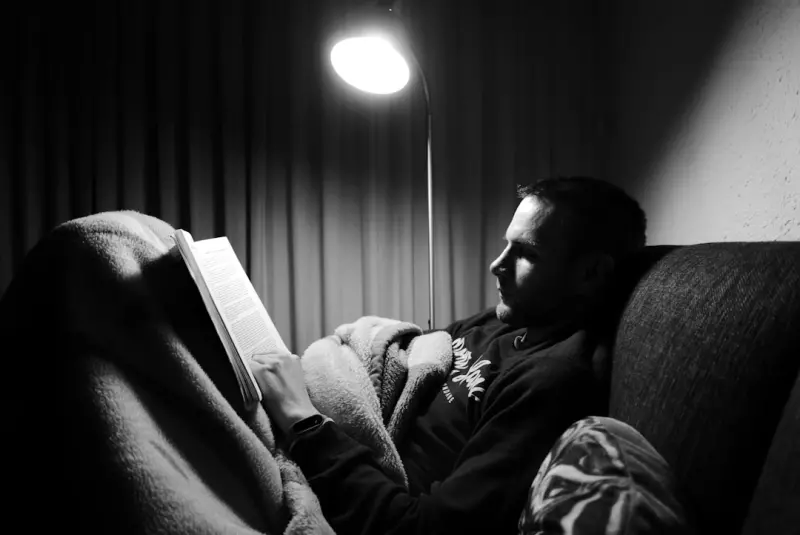
Rewriting the Night: Harnessing Storytelling to Calm Sleep Terrors
Sleep terrors feel like night‑time invasions, but you can rewrite the script. Learn how storytelli... Read More

Nighttime Battles: Turning Sleep Terrors into Tools for Healing
A personal guide to decoding sleep terrors, using grounding, environment tweaks, nutrition, and stor... Read More
Top Posts

Prediabetes Pivot: Turning a Warning Sign into a Lifestyle Win
A fresh take on prediabetes frames it as a metabolic checkpoint, offering a step‑by‑step guide that blends micro‑momentum, nutrient timing, and environmen...Read More

Invisible Autoimmune Disease: A Strategic Asset for Modern Workplaces
Autoimmune disease affects millions of professionals, yet its impact is often hidden. This article shows how data‑driven tracking, adaptive workspaces, and pr...Read More
Micro‑Habits That Melt Fat: A Scientific Playbook
Learn a step‑by‑step habit‑stacking system that uses micro‑actions, seasonal foods, and wearable data to silently shift metabolism and curb cravings, de...Read More

A Holistic Blueprint for Modern Men’s Health
A comprehensive guide for men that goes beyond gym routines, offering emotional agility, digital hygiene, and social connection strategies to build lasting, sus...Read More
0 Comments
Post Comment
You will need to Login or Register to comment on this post!