

Why Playful Exercise Beats Boredom
Most people think exercise has to feel like a chore to be effective, but the brain’s reward circuitry tells a different story: it craves novelty, competition, and instant feedback. When we reframe a squat or a stair climb as a level‑up in a personal game, dopamine spikes and the perception of effort shrinks, creating a virtuous loop that keeps us coming back for more. In my own routine, I’ve swapped endless treadmill miles for a “point sprint” that turns each floor of my office building into a leaderboard slot, and the results have been both measurable and surprisingly fun.
Designing Your Personal Scoreboard
The first step in gamifying movement is to define clear, attainable metrics that translate everyday actions into scores you can track. Instead of vague goals like “move more,” I break my day into micro‑missions: “earn 10 points by taking the stairs,” “collect 15 points for a 5‑minute desk stretch,” and “unlock a bonus round after a 30‑minute walk.” By assigning point values that reflect both intensity and consistency, the system rewards effort proportionally and keeps the challenge fresh.
Next, I embed a simple visual cue—often a sticky note or a phone widget—that displays my current tally and the next target, turning idle moments into decision points. This visual reminder taps into the brain’s habit loop, prompting a quick “what’s my next move?” question before I settle into sedentary mode. Over weeks, the habit of glancing at the scoreboard becomes a subconscious trigger, nudging me toward the next micro‑workout without the mental drag of a traditional “exercise plan.”
Finally, I inject periodic “boss battles” that combine several micro‑missions into a larger challenge, such as a weekend park circuit that rewards a hefty point bonus for completing three different stations. These larger quests give the routine a narrative arc, making each week feel like a new level to conquer rather than a repetitive grind.
Tools and Tech to Keep You in the Game
Modern wearables make it effortless to automate point collection, translating steps, heart‑rate spikes, and active minutes into real‑time scores. I sync my smartwatch with a custom spreadsheet that applies my personal point formula, and the data streams directly into a dashboard I’ve themed like a retro arcade screen. The visual flair of pixelated icons and flashing alerts turns ordinary activity into an immersive experience that feels less like tracking and more like playing.
When it comes to strength work, I lean on muscle‑building science to assign higher point values to compound lifts that stimulate multiple muscle groups simultaneously. By rewarding the exercises that deliver the most bang for the buck, the game nudges me toward efficient sessions that fit neatly into a busy schedule, while still delivering measurable progress on the strength front.
Equally important is understanding how movement influences energy metabolism, so I reference energy balance insights to fine‑tune my point system around post‑meal walks and high‑intensity intervals that stabilize glucose spikes. When the game rewards activities that keep my blood sugar steady, I naturally gravitate toward workouts that support both performance and overall health, creating a seamless synergy between fun and physiology.
Practical Playbook: A Day in the Life
- Morning mission: 5 minutes of dynamic stretches earn 8 points; a quick “jump‑jack burst” after coffee adds a 5‑point bonus.
- Commute challenge: Walking or biking to work grants 1 point per minute, with a “speed run” bonus for hitting a personal pace target.
- Lunchtime ladder: A 10‑minute walk around the block nets 12 points; spotting a stairwell for a quick climb adds a 4‑point multiplier.
- Afternoon sprint: Every 30‑minute desk stretch session scores 6 points, and completing three in a row unlocks a “focus boost” badge.
- Evening boss battle: A 20‑minute bodyweight circuit (push‑ups, squats, planks) combines for a 25‑point jackpot, with an extra 10 points for beating a personal time record.
By the end of the day, my scoreboard reflects a blend of low‑intensity movement and high‑intensity bursts, proving that even the busiest schedule can accommodate a rich, point‑driven exercise tapestry. The key is that every action, no matter how small, contributes to a larger narrative that feels rewarding and purposeful.
Mental Edge: Turning Sweat into Satisfaction
The psychological payoff of gamified exercise goes beyond calories burned; it reshapes how we view our bodies and capabilities. Each completed mission reinforces a sense of agency, turning the abstract concept of “being fit” into a concrete series of achievements that can be celebrated publicly or privately. This shift reduces the mental barrier that often keeps people stuck in a “I’m not a gym person” mindset, replacing it with a “I’m a player” identity.
Moreover, the built‑in feedback loops—points, badges, leaderboards—provide instant gratification that mirrors the reward structures found in video games. This immediate acknowledgment combats the delayed‑gratification frustration many experience with traditional exercise plans, making it easier to sustain momentum over the long term. As the habit solidifies, the brain begins to associate movement with pleasure, paving the way for a lasting, self‑reinforcing fitness lifestyle.
Breaking Through Common Barriers
One of the biggest excuses people cite is “lack of time,” yet the gamified model reveals that time is often a matter of perception. By fragmenting activity into bite‑size challenges, the approach eliminates the need for a contiguous hour‑long workout, allowing users to accumulate points in 2‑minute bursts throughout the day. This flexibility dismantles the myth that effective exercise requires large time blocks.
Another hurdle is the fear of judgment in public spaces. Because the game is personal and points are self‑assigned, the focus shifts from external validation to internal milestones. Even when you’re the only one aware of your point tally, the sense of progression remains powerful, encouraging you to push through social discomfort and claim ownership of your movement journey.
Take the Leap: Start Scoring Today
If you’ve ever felt stuck in a monotonous routine, consider flipping the script and turning everyday tasks into a high‑score challenge. Grab a notebook, assign point values to the motions you already do, and watch as the numbers add up into a tangible measure of progress. The moment you start treating movement as a game, the “hard work” label fades, replaced by a sense of play that fuels consistency.
Remember, the ultimate goal isn’t just a higher score—it’s a healthier, happier version of yourself who moves because it feels rewarding, not because it feels obligatory. So set your first mission, claim those points, and let the gamified adventure reshape your relationship with exercise—one playful step at a time.

Craig Brett is a freelancer with a passion for the outdoors. His love for nature inspires his work, bringing authentic and engaging perspectives to projects related to outdoor activities, adventure, and environmental topics.
Related Posts

Why Short, Intentional Movement Bursts Are the Future of Fitness
Explore the science and practical steps behind micro‑movement sessions, showing how short, high‑... Read More

Playful Power: Gamifying Your Fitness Journey for Lasting Motivation
Turn workouts into a fun, game‑like adventure. This guide shows how to use goals, rules, rewards, ... Read More

The Emotional Reset: Building a Rhythm Workout for Resilience
Learn how to use a simple, beat‑driven workout to regulate emotions, enhance cognition, and build ... Read More
Top Posts
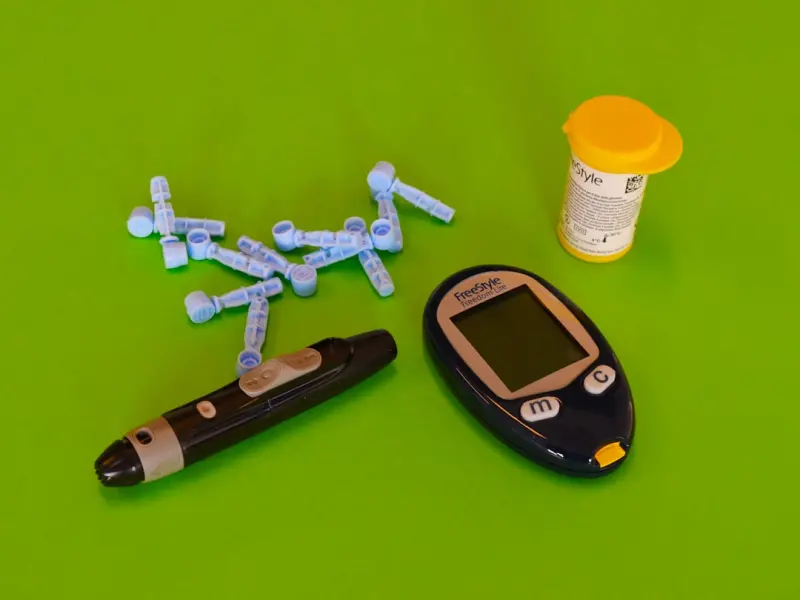
Glucose‑Smart Strategies: Tiny Tweaks for Big Performance Gains
Discover simple breathing exercises, snack architecture, and workspace tweaks that keep blood sugar steady, turning a hidden health factor into a powerful perfo...Read More

Food Pairing Hacks to Supercharge Your Brain at Work
Learn how strategic food combinations—like whole grains with omega‑rich nuts or dark chocolate with berries—can sharpen focus and sustain mental energy th...Read More

How Mindful Stress Management Can Flip the Prediabetes Switch
Learn how mindful stress reduction, strategic meal timing, movement, and community support can reverse prediabetes, offering a holistic path beyond diets and pi...Read More

Heritage Meals, Healthier Hearts: Redesigning Traditional Cuisine to Beat Prediabetes
Explore practical ways to transform beloved traditional dishes into prediabetes‑friendly meals, using grain swaps, reduced sweeteners, and mindful cooking—a...Read More
0 Comments
Post Comment
You will need to Login or Register to comment on this post!