
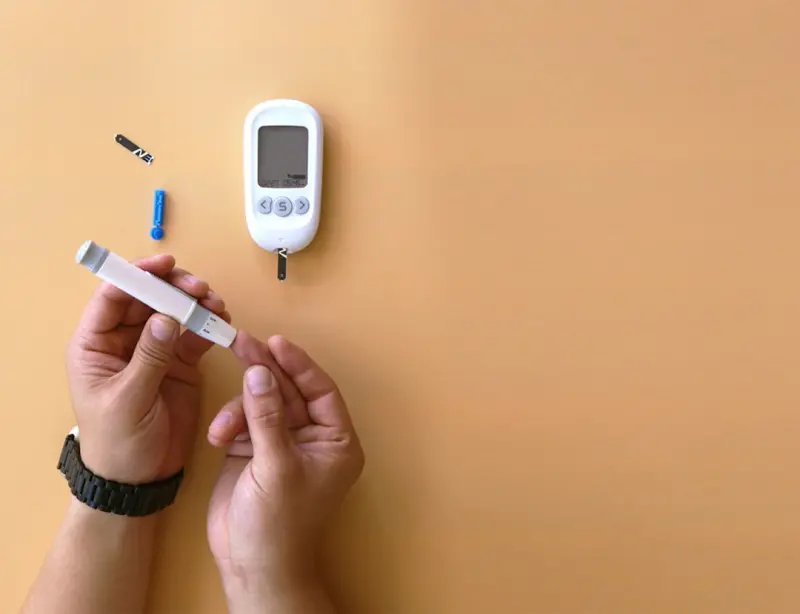
Why I Started Listening to My Blood Sugar’s Whisper
For years I chased the idea that a perfect diet would magically flatten my glucose curve, only to discover that the real story lives in the subtle peaks and valleys that my standard lab tests refuse to show. I began treating my blood sugar like a conversation partner, asking “what triggered that spike?” rather than blaming a single meal, and the answers surprised me. Understanding the nuance of glucose variability opened the door to strategies that feel less like a strict regime and more like a partnership with my own metabolism.
The Hidden Language of Glycemic Variability
Most people focus on the A1C number, but that single snapshot masks the daily roller‑coaster of glucose swings that can sap energy, cloud focus, and seed long‑term damage. I started tracking my post‑prandial spikes with a continuous glucose monitor, watching how even “healthy” foods could send my levels soaring when paired with stress or poor sleep. Those real‑time insights revealed patterns that a quarterly lab simply can’t capture, and they became the compass for every nutritional tweak I tried.
Gut Microbes: The Unsung Conductors of Sugar Balance
Our intestinal ecosystem wields a surprisingly powerful influence over how quickly carbohydrates are broken down and absorbed. When I introduced a diverse array of prebiotic fibers—think chicory root, Jerusalem artichoke, and raw oats—my glucose excursions softened within weeks, as evidenced by smoother CGM curves. The key isn’t just quantity; it’s the timing of fiber alongside carbs, allowing the microbiota to ferment slowly and release glucose in a more controlled fashion.
Smart Food Pairing and Strategic Timing
Instead of counting calories, I learned to pair macronutrients so that protein and healthy fats act as a buffer for carbohydrates, preventing the rapid glucose surge that follows a lone carb‑heavy plate. A simple rule I follow is the “1‑2‑3” ratio: one part protein, two parts fiber‑rich veg, and three parts low‑glycemic carbs such as sweet potatoes or quinoa. Eating this combo within a 30‑minute window after waking also leverages the body’s natural insulin sensitivity peak, turning breakfast into a glucose‑steadying ritual.
Stress, Breath, and the Cortisol Connection
Chronic stress spikes cortisol, which in turn tells the liver to dump stored glucose into the bloodstream, sabotaging even the best dietary plans. I turned to deliberate breathing techniques—slow diaphragmatic breaths for five minutes before meals—to calm the nervous system and blunt that hormonal surge. The practice reminded me of my own experiment chronicled in Breathing Easy: My DIY Journey to Tame Sleep Apnea at Home, where controlled breath not only improved sleep quality but also steadied my morning glucose readings.
Movement Beyond the Gym: Micro‑Activity for Glucose Control
Traditional workouts are powerful, yet the majority of glucose regulation happens during the countless minutes we spend moving throughout the day. I started inserting short bouts of activity—five minutes of stair climbing, a brisk hallway walk, or a quick set of body‑weight squats—every hour, and watched my post‑lunch glucose dip noticeably. This philosophy mirrors the concepts in Unscripted Movement: Turning Everyday Moments into Powerful Workouts, proving that even “micro‑exercise” can act as a metabolic accelerator.
Decoding the Data: Turning CGM Numbers into Actionable Insights
Raw glucose data can feel overwhelming, but I treat each spike as a clue rather than a failure. By grouping readings into three categories—baseline, post‑meal surge, and recovery—I can pinpoint which foods, stressors, or activity gaps are the true culprits. For instance, a consistent rise after a latte revealed that the hidden sugar in flavored syrups was a hidden villain, prompting me to switch to black coffee with a dash of cinnamon, which instantly flattened the curve.
A Practical Seven‑Day Blueprint to Stabilize Blood Sugar
To make these concepts actionable, I crafted a simple week‑long plan that blends the strategies above: start each morning with a protein‑fat‑fiber breakfast, schedule a five‑minute breathing session before every meal, sprinkle in hourly micro‑activity, and log CGM data in three‑hour blocks. Day three typically shows the first noticeable dip in afternoon spikes, while by day seven many report steadier energy, clearer focus, and reduced cravings—all without drastic calorie cuts.
My Invitation: Make Your Glucose Story a Success
If you’ve ever felt trapped by the idea that “I can’t control my blood sugar,” I encourage you to adopt this conversational approach—listen, experiment, and adjust. Share your findings, ask questions, and let the community amplify the collective wisdom. Together we can turn glucose management from a daunting chore into a dynamic, personalized adventure that fuels both body and mind.

Related Posts

Managing Blood Sugar by Mastering Decision Fatigue
A fresh look at blood‑sugar control reveals that decision fatigue and mental stress are hidden dri... Read More

Managing Blood Sugar: A Holistic Approach to Wellness
Learn how to manage blood sugar levels through a holistic approach, incorporating nutrition, exercis... Read More

The Personal Blood‑Sugar Command Center: Turning Data Into Daily Wins
Learn how to create a personal blood‑sugar command center that integrates continuous glucose monit... Read More
Top Posts

Narrative Medicine: Redefining the Cancer Journey
A deep dive into how integrating patient stories into oncology care can boost resilience, improve treatment adherence, and humanize the cancer experience....Read More

The Hidden Power of Lymphatic Flow: A New Frontier in Body Detox
A deep dive into the lymphatic system reveals simple, evidence‑backed practices—like rebounding, diaphragmatic breathing, and fermented foods—that turn yo...Read More

When Your Immune System Gets Stuck: Uncovering Everyday Levers for Autoimmune Wellness
Living with an autoimmune condition often feels like a constant battle against hidden triggers. This article explores subtle workplace, environmental, and daily...Read More

Embracing the Pregnancy Journey: Holistic Tips for a Radiant Trimester
A heartfelt guide to navigating each trimester with holistic nutrition, mindful self‑care, and mental wellness, empowering expectant mothers on their journey....Read More
0 Comments
Post Comment
You will need to Login or Register to comment on this post!