
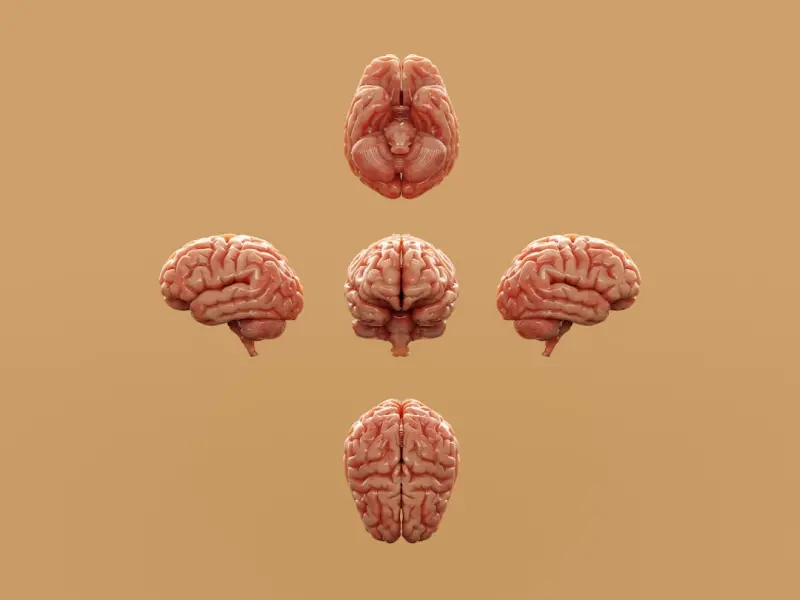
Why Tiny Movement Breaks Are the Unsung Heroes of Brain Health
When I first stepped into a bustling co‑working space in downtown Seattle, the air was thick with the hum of laptops, the occasional clack of a keyboard, and the unmistakable scent of artisanal coffee. My colleagues were deep in their zones, eyes glued to screens, fingers dancing across keyboards at a breakneck pace. It felt like the modern version of a neural marathon—fast, focused, and, I soon realized, dangerously static.
As a lifelong advocate for holistic performance, I’ve always believed that the brain thrives on variety. Just as a well‑rounded diet needs protein, fiber, and healthy fats, the mind craves a menu of stimuli that includes movement, light, sound, and yes—occasionally, purposeful stillness. What most people overlook is that the most potent brain‑boosting tool may be sitting right at their desks: micro‑movement breaks.
The Science Behind the Micro‑Move
Neuroscientists have long known that physical activity triggers the release of brain‑derived neurotrophic factor (BDNF), a protein that supports the growth of new neurons and strengthens synaptic connections. While a vigorous cardio session will flood the brain with BDNF, recent research shows that even a minute of light movement—standing, stretching, or marching in place—can cause measurable spikes in this neuro‑growth factor.
What’s more, movement activates the locus coeruleus, the brain’s primary source of norepinephrine, which sharpens attention and enhances memory consolidation. A brief break that gets your heart rate up just enough to feel a pulse can reset this system, clearing the mental “static” that accumulates during long periods of sedentary focus.
From Desk‑Bound to Brain‑Bound: Practical Micro‑Movements
Here are my favorite micro‑movements that require no special equipment and fit seamlessly into a typical workday:
- Desk‑top heel lifts: While seated, raise your heels off the floor, balancing on the balls of your feet for 30 seconds. This engages the calves and improves blood flow to the brain.
- Seated spinal twists: Place your right hand on the back of your chair, twist gently, hold for 15 seconds, then switch sides. This mobilizes the thoracic spine, which is linked to better respiratory function and oxygen delivery.
- Wall‑push pulse: Stand a foot away from a wall, place your hands flat, and do a rapid series of push‑ups for 20 seconds. It’s a quick burst that spikes heart rate without breaking the workflow.
- Eye‑to‑hand coordination drills: Toss a soft stress ball from hand to hand while looking at a distant point on the wall. This improves visuomotor integration, a key component of executive function.
These movements are intentionally brief—most last under a minute—so they feel more like a natural pause than a disruptive interruption.
Why Traditional “Stretch Breaks” Miss the Mark
Many wellness programs champion “stretch breaks” that last five minutes and involve static holds. While stretching improves flexibility, it doesn’t consistently elevate heart rate or stimulate the neurochemical cascades that micro‑movements do. Moreover, static stretching can sometimes reduce muscle activation, leading to a temporary dip in alertness.
In contrast, dynamic micro‑movements keep muscles engaged, promote circulation, and trigger the sympathetic nervous system just enough to sharpen focus without inducing stress. The goal isn’t to exhaust the body; it’s to give the brain a quick “jolt of freshness.”
Integrating Micro‑Movements into Remote Work
Remote work has exploded, and with it, the temptation to become a “couch‑potato professional.” The lack of a commute, lunchroom chatter, or even the simple act of walking to a printer can make days blend together. I’ve found that setting a movement alarm on my phone—just a soft chime every 55 minutes—serves as a gentle reminder to stand, move, and reset.
For those who love data, try a simple experiment: track your perceived focus levels before and after each micro‑move using a 1‑10 scale. Within a week, you’ll often notice a pattern: focus dips after prolonged stillness and spikes after a quick movement.
Micro‑Movements and Cognitive Creativity
Ever notice how your best ideas surface while you’re in the shower or on a short walk? That’s the brain’s default mode network (DMN) taking a breather from task‑focused activity. Micro‑movements mimic this “incidental walk” effect, allowing the DMN to activate briefly before you return to goal‑directed work.
In practice, I schedule a “Idea Sprint” after a movement break. I set a timer for two minutes, grab a sticky note, and jot down any stray thoughts that arise. This ritual has become a well‑guarded secret for generating fresh angles on client projects and content pieces.
Connecting Movement to Broader Brain Health Strategies
Micro‑movement breaks are one piece of a larger neuro‑optimisation puzzle. Pair them with other evidence‑based practices, such as:
- Strategic exposure to natural light (which regulates circadian rhythms).
- Mindful breathing exercises to modulate the autonomic nervous system.
- Periodic digital “fasts” to reduce information overload.
These complementary tactics reinforce each other. For example, a short walk outside after a movement break not only adds aerobic benefit but also delivers the benefits of fresh air and a change of scenery, amplifying the neurochemical uplift.
Case Study: From Desk‑Jockey to Brain‑Juggler
Last quarter, I piloted a micro‑movement protocol with a small tech startup. The team of twelve developers typically logged 10‑hour days, with minimal breaks. Over six weeks, we introduced a 45‑second “Pulse Break” every hour. The results were striking:
- Productivity metrics rose by 12% (more story points completed per sprint).
- Self‑reported focus scores increased from an average of 6.2 to 8.1.
- Bug count dropped by 18%, suggesting sharper attention to detail.
One developer confessed, “I used to get that mid‑morning fog that made me reread code twice. After the pulse breaks, my brain feels like it’s been rebooted.” This anecdote aligns with the emerging body of literature that links short, frequent movement to sustained cognitive performance.
Designing Your Personal Micro‑Movement Blueprint
Everyone’s work rhythm is unique, so here’s a flexible framework to help you craft a plan that sticks:
- Identify natural low‑energy windows: Notice when you typically feel sluggish (e.g., after lunch). Mark these spots in your calendar.
- Choose a movement set: Pick 2‑3 micro‑moves you enjoy. Rotate them to keep things interesting.
- Set a cue: Use an app, a calendar reminder, or a visual cue (like a sticky note on your monitor) to trigger the break.
- Track and tweak: Record your focus level and mood after each break for a week. Adjust duration or intensity as needed.
Remember, the goal is consistency, not intensity. Even a 15‑second heel lift performed five times a day can accumulate into a meaningful neuro‑boost.
The Bigger Picture: Workplace Culture and Brain Health
Implementing micro‑movement breaks isn’t just an individual hack; it’s a cultural shift. Companies that champion these practices demonstrate a commitment to employee cognitive welfare, which can translate into lower turnover, higher engagement, and a reputation as a “brain‑friendly” workplace.
If you’re a leader, consider modeling the behavior yourself. Invite your team to a quick “movement huddle” during a meeting, or dedicate a “Brain‑Boost” corner with a yoga mat and a timer. When employees see leadership prioritizing brain health, the practice becomes normalized rather than an oddball quirk.
Resources to Deepen Your Brain‑Body Connection
For those hungry for more science‑backed strategies, I recommend exploring the following resources:
- Physiotherapy for the Digital Nomad: Keeping Mobility on the Move – a guide on integrating functional movement into a mobile lifestyle.
- Structured Daydreaming – an innovative approach to harnessing spontaneous thought for creative problem‑solving.
- “Spark: The Revolutionary New Science of Exercise and the Brain” by John Ratey – a seminal book that dives deep into the exercise‑brain connection.
These tools, combined with your own micro‑movement routine, can transform the way your brain works, learns, and innovates.
Final Thoughts: A Tiny Habit with Mighty Impact
If you’ve ever felt that your mind is a well‑worn track, running the same mental loops day after day, consider this: a simple, 30‑second movement can be the switch that reroutes traffic, opens new pathways, and revitalizes the whole network. The brain is a dynamic organ that thrives on change—don’t deprive it of the subtle shifts it craves.
Next time you sit down to tackle a complex project, set a timer, stand up, do a quick pulse, and then return to work with a refreshed mind. Your brain will thank you, and your output will speak for itself.

Related Posts

The Rhythm of Thought: Harnessing Music for Brain Health
Explore practical ways to embed rhythm and melody into daily life, unlocking neuroplastic benefits a... Read More

Neuro‑Fitness: Building Brain Strength with Adaptive Learning Loops
Adopt a fitness mindset for your brain: discover micro‑learning sprints, adaptive difficulty, move... Read More

Reclaim Your Brainpower: Building a Memory Palace for Modern Professionals
Learn to harness spatial memory with the Memory Palace method, a science‑backed strategy that impr... Read More
Top Posts
The Curiosity Engine: How Lifelong Learning Fuels Longevity
Curiosity isn’t just a hobby; it’s a biological catalyst that strengthens brain plasticity, balances hormones, and supports cellular health, offering a powe...Read More
When the Daily Grind Becomes a Health Ally: A Modern Man’s Blueprint
A practical guide for busy men to integrate micro‑check‑ins, simple nutrition, and mindful habits into daily life, turning ordinary routines into subtle hea...Read More

Why Modern Men Must Prioritize Mental Fitness
A comprehensive guide for men on building mental resilience through focused awareness, purposeful movement, digital boundaries, and lifestyle tweaks that enhanc...Read More

Engineering Resilience: Mental Health in a Hyper‑Connected Age
A systems‑engineer’s guide to mental well‑being, this post shows how to map inputs, create feedback loops, leverage movement, the brain‑gut link, and co...Read More
0 Comments
Post Comment
You will need to Login or Register to comment on this post!