
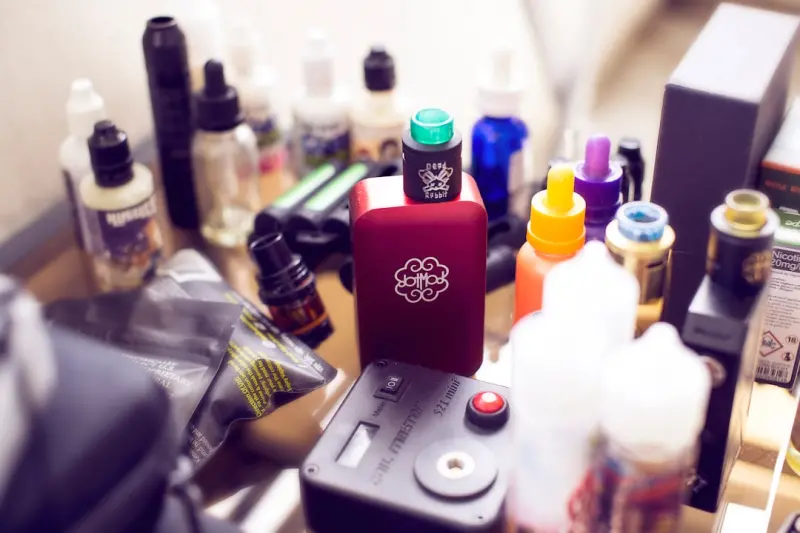
Why Vaping Isn’t Just a Trend—It’s a Cultural Pivot
When I first lifted a sleek, glass‑wrapped vape pen at a friend’s rooftop party, I expected the usual cloud‑chasing spectacle. Instead, I found myself immersed in a conversation that felt more like a think‑tank than a casual hangout. The topic? Not “which flavor is the best,” but how vaping is quietly reshaping our relationship with nicotine, stress, and even social interaction. As someone who’s spent the last decade dissecting wellness tech, I’m fascinated by the way a seemingly niche habit is becoming a catalyst for broader conversations about health, autonomy, and community.
The Chemistry of Calm: Nicotine’s Hidden Cognitive Boost
Nicotine has long been painted with a black‑and‑white brush: addictive, harmful, and a gateway to cigarettes. Yet recent research shows that nicotine, when isolated from the tar and countless carcinogens of combustion, can actually sharpen attention, enhance working memory, and reduce anxiety—especially in low‑dose, controlled scenarios. Modern vaping devices, equipped with precise temperature controls and nicotine‑salt formulations, allow users to fine‑tune their intake. This precision has turned the vape into a personal neuro‑modulation tool, something I’ve started to see more of in high‑performing professionals seeking a subtle edge without the jittery crash of coffee.
Flavor as a Mood‑Modulator
Beyond nicotine, the flavor spectrum in today’s vape market is a playground for sensory psychology. Think of a citrus burst at sunrise versus a warm vanilla swirl in the evening. Each flavor profile can trigger different neurotransmitter pathways, influencing mood and alertness. A recent study linked menthol‑flavored e‑liquids to a calming effect similar to that of lavender aromatherapy, while berry‑infused blends seemed to boost dopamine release, creating a light‑hearted euphoria. When I tried a rosemary‑mint combo during a late‑night writing session, I felt a surprising clarity that lasted longer than my usual caffeine kick.
From Subculture to Mainstream: The Social Fabric of Vaping
Vaping has migrated from the margins of underground clubs to coffee shops, coworking spaces, and even corporate wellness programs. The devices themselves—sleek, customizable, and often silent—fit seamlessly into professional environments where traditional smoking would be a deal‑breaker. This shift has sparked a new etiquette: “cloud‑free zones” in meeting rooms, “flavor‑swap Fridays,” and even digital communities that track puff counts alongside productivity metrics. It’s an ecosystem where nicotine consumption is no longer a solitary act but a shared, data‑driven experience.
The Rise of Nicotine‑Salt Formulations
Nicotine salts, first popularized by the early 2010s, have undergone a renaissance. By combining nicotine with organic acids, manufacturers create a smoother throat hit and faster absorption. The result? Higher satisfaction at lower nicotine concentrations. This has two big implications:
- Reduced Harm Potential: Users can achieve the desired effect with fewer puffs, decreasing exposure to propylene glycol and vegetable glycerin by‑products.
- Greater Accessibility for Former Smokers: The rapid nicotine delivery mimics the cigarette experience closely enough to make the transition feel natural, but without the combustion‑related toxins.
For many, this technology is the bridge that turns a habit into a purposeful lifestyle choice rather than an addiction.
Vaping and Mental Health: A Double‑Edged Sword?
Like any psychoactive substance, vaping can be both a coping mechanism and a crutch. The key lies in intention. When used deliberately—say, a brief 3‑minute session to reset after a stressful meeting—vaping can serve as a micro‑mindfulness break, much like a short walk or breathing exercise. However, habitual, mindless vaping can slip into the same patterns we see with compulsive scrolling or snacking.
What’s fascinating is the emerging research linking nicotine metabolism to the gut microbiome. Certain bacterial strains appear to influence how quickly nicotine is broken down, which in turn affects the intensity of its cognitive and mood‑boosting properties. Understanding this microbiome data could eventually personalize vaping regimens, turning a one‑size‑fits‑all habit into a truly tailored wellness tool.
Environmental Footprint: The Cloud We’re Not Seeing
One of the most common criticisms of vaping is its environmental impact—e‑liquid cartridges, disposable pods, and battery waste. Yet, when compared to the lifecycle emissions of a traditional cigarette, the carbon footprint of a vape is markedly lower. Manufacturers are responding with recyclable pod systems and take‑back programs. Some forward‑thinking brands have even introduced biodegradable coil materials. The conversation is shifting from “is vaping bad?” to “how can we make vaping responsibly sustainable?” This mirrors larger societal trends where consumers demand transparency and eco‑friendly practices across all product categories.
Regulatory Landscape: A Balancing Act
Governments worldwide are wrestling with how to regulate an industry that sits at the intersection of public health, personal freedom, and commercial innovation. Some regions have embraced a harm‑reduction model, allowing nicotine‑salt pods to be sold without the stigma attached to cigarettes. Others have taken a hard‑line approach, banning flavored e‑liquids altogether. The result is a patchwork of policies that can be confusing for both users and manufacturers. As a community, we must advocate for evidence‑based regulations that protect youth while preserving adult autonomy.
Tech Integration: The Future of Smart Vapes
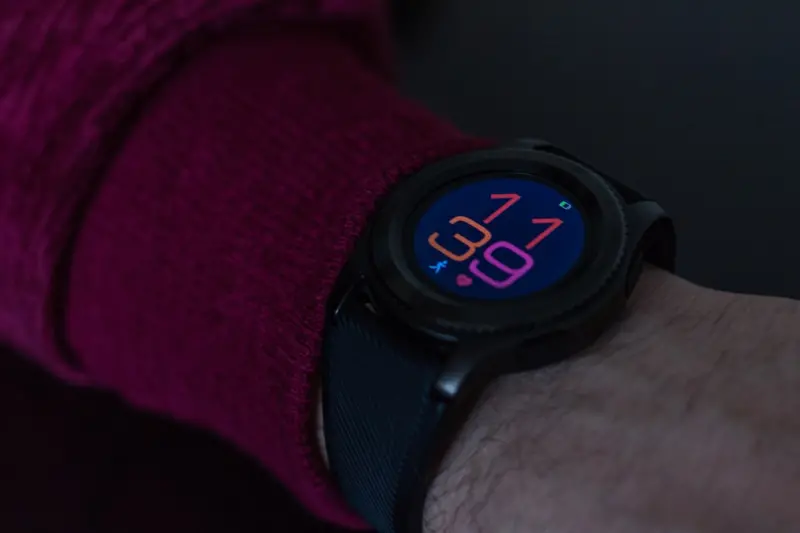
Imagine a vape that syncs with your smartwatch, adjusting nicotine delivery based on heart‑rate variability, stress levels, or even sleep quality. Prototypes already exist that monitor puff count, temperature, and inhalation depth, feeding the data into AI‑driven apps that suggest optimal usage patterns. This convergence of hardware and health analytics transforms a simple nicotine delivery device into a personal health hub. The implications are huge—not just for individual users, but for clinicians looking to incorporate nicotine‑based therapies into broader treatment plans for anxiety, ADHD, or depression.
Community Building: From Cloud‑Chasing to Knowledge‑Sharing
The vaping community has cultivated a unique blend of creativity and technical expertise. Forums that once centered on “who has the biggest clouds” now host deep dives into e‑liquid chemistry, coil resistance calculations, and even the ethics of flavor bans. This collective intelligence fosters a sense of belonging that many users cite as a primary reason for their continued engagement. It’s not just about the vapor; it’s about the shared journey of exploration, problem‑solving, and mutual support.
Vaping as a Gateway to Holistic Self‑Care
When I look at the broader wellness landscape, vaping sits comfortably alongside practices like meditation, biofeedback, and personalized nutrition. It offers an immediate, tangible feedback loop—a puff delivers a sensation, and the user can instantly assess its effect. This immediacy aligns well with the modern desire for rapid, measurable results. Pair a brief vaping session with a few minutes of structured breathing, and you have a mini‑reset that can boost focus for the next work block.
Conclusion: Embracing the Cloud with Critical Eyes
Vaping is more than a fleeting fad; it’s a cultural pivot that challenges our preconceptions about nicotine, health, and community. By recognizing its potential as a cognitive aid, a sensory experience, and a platform for data‑driven self‑optimization, we can move beyond the binary narrative of “good vs. bad.” The future will likely see vaping integrated into broader wellness ecosystems, guided by rigorous science, responsible regulation, and a community that values both innovation and safety.
As we navigate this evolving landscape, let’s keep the conversation nuanced, evidence‑based, and—most importantly—human. After all, every puff is a story, and we’re the authors of the next chapter.

Nikki McDonald is a freelancer based in Waterloo. She brings her skills and expertise to various projects, balancing her professional work with a personal life that includes her husband, Stewart.
Related Posts

Beyond the Cloud: Redefining Vaping as a Mindful Habit Design Tool
Discover how to transform vaping from a subconscious habit into a purposeful, data‑driven practice... Read More
When Clouds Talk: Decoding the Social Language of Vaping
Vaping isn’t just a habit; it’s a social language. From flavor choices to device aesthetics, dis... Read More
Beyond the Cloud: Making Vaping Eco‑Friendly Without Sacrificing the Experience
I’ve swapped my daily disposable pods for a sustainable setup, and the shift has changed how I thi... Read More
Top Posts
How Wearable Tech is Turning Autoimmune Flare Prediction Into a Daily Reality
Wearable devices now track subtle physiological cues—HRV, skin temperature, sleep patterns—to forecast autoimmune flares days in advance, offering a proacti...Read More

The Ice‑Breaker: How Cold Exposure Supercharges Men’s Health
Cold exposure isn’t a trendy gimmick—it’s a proven, ancient method that can raise testosterone, improve metabolism, and sharpen mental focus. Learn a simp...Read More

Unlocking the Secrets of Longevity: A Holistic Playbook for 2026
A 2026‑focused, holistic guide reveals daily rituals, biometric monitoring, and community strategies that transform longevity from a goal into a sustainable l...Read More

When Clouds Meet Green: Making Vaping Sustainable
Discover practical ways to make your vaping habit eco‑friendly, from reusable devices to mindful disposal, and learn why sustainability matters for cloud love...Read More
0 Comments
Post Comment
You will need to Login or Register to comment on this post!