
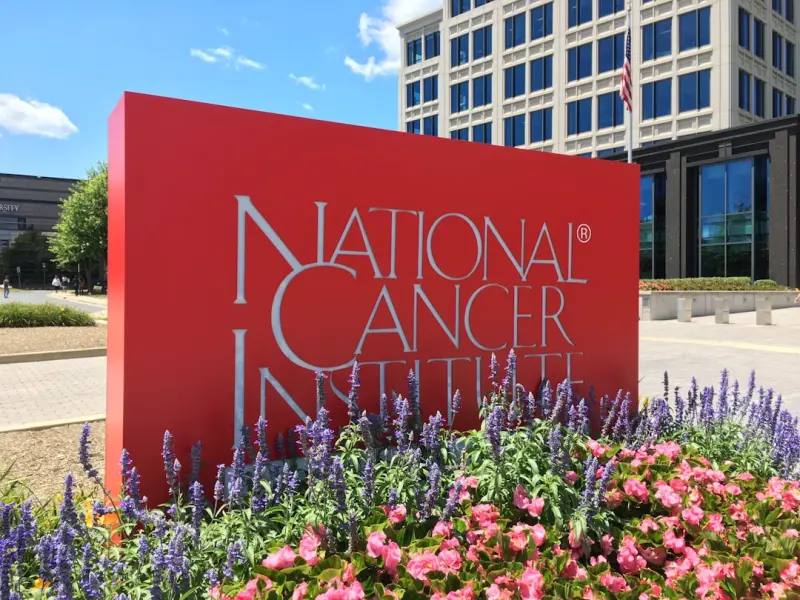
Why Stories Matter When Cancer Enters the Conversation
When a cancer diagnosis lands on a kitchen table, the first reaction is often a flood of clinical facts—stage, grade, treatment options, survival statistics. Yet beneath those numbers lies a quieter, more potent force: the narrative we construct around the disease. Stories shape perception, influence emotional resilience, and ultimately affect how we engage with treatment. My own journey through a rare sarcoma taught me that the language we choose can either amplify fear or cultivate agency, and that agency becomes a crucial ally in the battle against malignant cells.
The Science Behind Narrative Medicine and Tumor Biology
Recent interdisciplinary research suggests that the brain’s storytelling circuitry can modulate the immune system, altering cytokine profiles that are directly involved in tumor surveillance. When patients recount their experience in a coherent, hopeful frame, they trigger parasympathetic pathways that reduce cortisol spikes, thereby limiting the inflammatory milieu that many cancers exploit. This neuro‑immune dialogue is not merely poetic; it has measurable effects on tumor microenvironment dynamics, influencing angiogenesis and even the efficacy of checkpoint inhibitors. Understanding this bridge between mind and matter empowers clinicians to integrate narrative techniques alongside chemo, radiation, and surgery.
Practical Ways to Weave Narrative Into Daily Cancer Care
Integrating storytelling does not require a PhD in literature; simple, intentional practices can embed narrative richness into everyday routines. Start by keeping a “cancer journal” where you record not just symptoms, but sensations, hopes, and moments of gratitude. Pair this with a weekly “story circle”—a small group of peers or loved ones who share their journeys without judgment, fostering a communal narrative tapestry. For those who gravitate toward visual expression, consider creating a collage or digital storyboard that maps the disease’s trajectory, turning abstract medical jargon into a personal mythos. These modest habits can transform passive patients into active authors of their healing saga.
Art as an Extension of Narrative: A Bridge to Healing
When I first experimented with painting during my treatment, I discovered that color and form could articulate emotions my words could not. This aligns with findings from the healing power of art, where creative expression serves as a non‑verbal narrative, unlocking subconscious narratives that bolster resilience. Whether you sketch, sculpt, or curate playlists, art becomes a living manuscript, allowing you to externalize fear, reframe identity, and reclaim a sense of control that chemotherapy alone cannot provide. In my own case, a simple watercolor of sunrise became a recurring motif symbolizing renewal, reminding me each morning that darkness is always followed by light.
Timing Your Narrative: Insights From Chronobiology
Just as the body obeys circadian rhythms, the impact of storytelling is also time‑sensitive. Research highlighted in chronobiology insights shows that sharing meaningful narratives during the early evening, when melatonin levels rise, can amplify parasympathetic activation and improve sleep quality—an essential component of recovery. Scheduling reflective practices—like journaling or group storytelling—around these biological windows can therefore enhance their therapeutic potency, aligning mental rehearsal with the body’s natural repair cycles.
Digital Storytelling: Harnessing Technology Without Losing Intimacy
In the age of social media, many patients turn to blogs, podcasts, or private groups to broadcast their cancer narrative. While these platforms can foster connection, they also risk diluting intimacy with the noise of endless scrolling. A balanced approach involves using digital tools for structured reflection—such as private audio diaries or secure forums—while reserving in‑person conversations for deeper emotional exchange. This hybrid model preserves the authenticity of personal storytelling while leveraging technology’s reach to locate supportive allies beyond geographic constraints.
Measuring Narrative Impact: From Subjective Well‑Being to Clinical Outcomes
Quantifying the benefits of narrative medicine may seem nebulous, yet emerging metrics provide a roadmap. Validated scales like the Narrative Integration Scale (NIS) assess how coherently patients can incorporate their illness into life story, correlating strongly with reduced depression scores. Moreover, longitudinal studies indicate that patients who engage in regular narrative practices experience fewer hospital readmissions and report higher treatment adherence. While these numbers do not replace oncological expertise, they reinforce the premise that a well‑crafted story is a measurable adjunct to conventional care.
Challenges and Misconceptions About Narrative Therapy in Oncology
Critics often dismiss narrative work as “fluffy” or “non‑essential,” arguing that the stakes are too high for anecdotal interventions. However, this view overlooks the empirical foundation linking psychosocial health to physiological outcomes. Another common barrier is the fear that sharing vulnerability may burden loved ones; yet, research shows that transparent storytelling actually strengthens relational bonds, providing caregivers with a clearer roadmap for support. Overcoming these misconceptions requires education, training for healthcare teams, and a cultural shift that recognizes narrative competence as a core clinical skill.
Building a Personal Narrative Roadmap for the Cancer Journey
To translate these concepts into action, I recommend constructing a three‑phase narrative roadmap: (1) Discovery—record initial reactions, fears, and hopes; (2) Transformation—identify turning points, such as treatment milestones or moments of insight, and weave them into a coherent arc; (3) Legacy—articulate the lessons learned and how they will inform life after cancer. This scaffold not only guides daily reflection but also creates a living document you can revisit, revise, and ultimately share with future generations. By treating your cancer experience as a story in progress, you reclaim authorship, turning a diagnosis that threatens to define you into a chapter that empowers you.

Related Posts
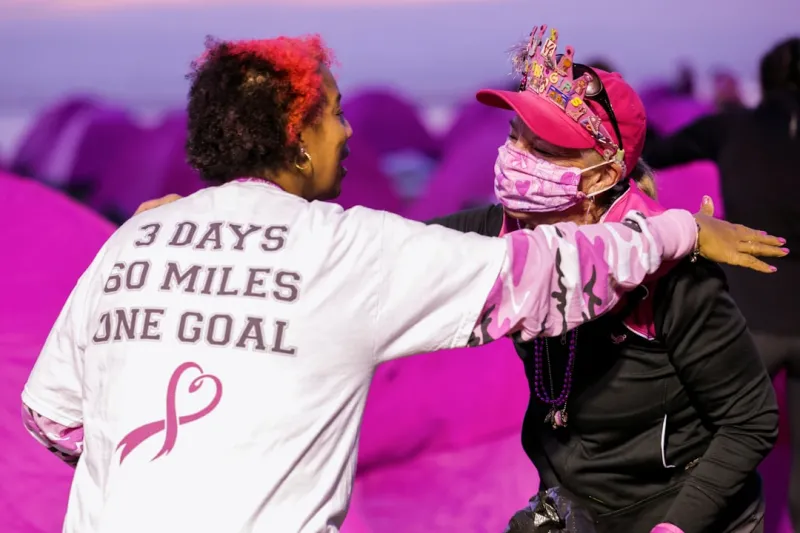
Cancer, Community, and a Holistic Blueprint: William Roy’s Personal Journey
William Roy shares his personal blueprint for navigating cancer with holistic strategies—nutrition... Read More
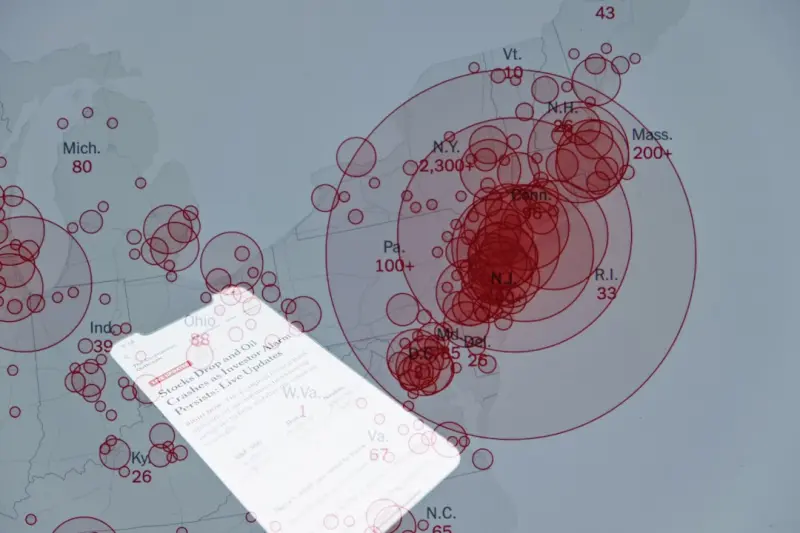
Decoding the Quiet Cancer Crisis: Data, Community, and Personal Power
A data‑rich, community‑focused approach can transform cancer from a hidden risk into a manageabl... Read More
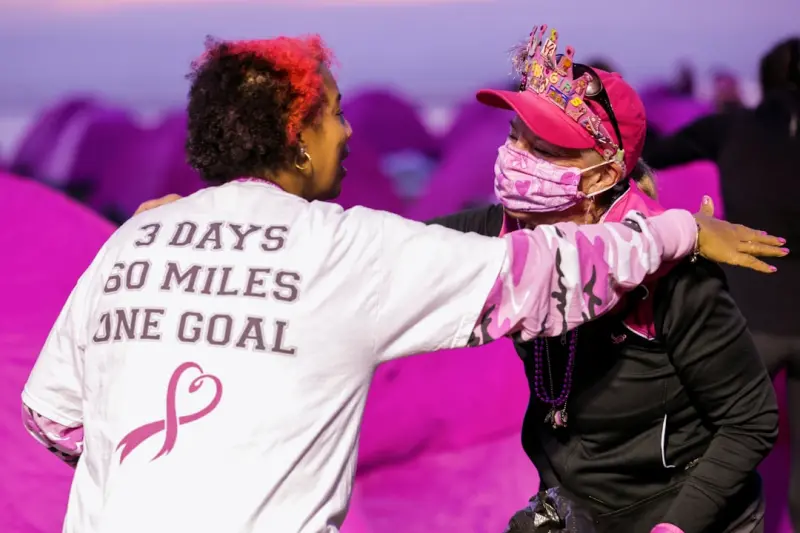
Rewriting the Narrative: How Cancer Survivors Are Redefining Leadership in the Workplace
Cancer survivors bring resilience, empathy, and strategic agility to leadership roles. Discover prac... Read More
Top Posts
The Interplay Between Mental Health and Physical Wellbeing in Men
The relationship between mental health and physical wellbeing is complex and multifaceted. In men, this interplay can have significant implications for overall ...Read More

When Algorithms Become Therapists: How AI Is Changing Eating Disorder Recovery
A deep dive into how artificial intelligence, continuous monitoring, and peer‑led digital communities are creating a hybrid model of care that makes eating di...Read More
Immersive Tech Meets Hands‑On Healing: Redefining Physiotherapy
Immersive technologies are reshaping physiotherapy, turning routine exercises into interactive, data‑rich sessions that boost motivation, provide real‑time ...Read More

Why Brotherhood Workouts Are the Secret Weapon for Men’s Longevity
Brotherhood workouts combine heavy lifting, shared goals, and social bonding to boost hormones, improve recovery, and enhance mental focus, offering men a power...Read More
0 Comments
Post Comment
You will need to Login or Register to comment on this post!