
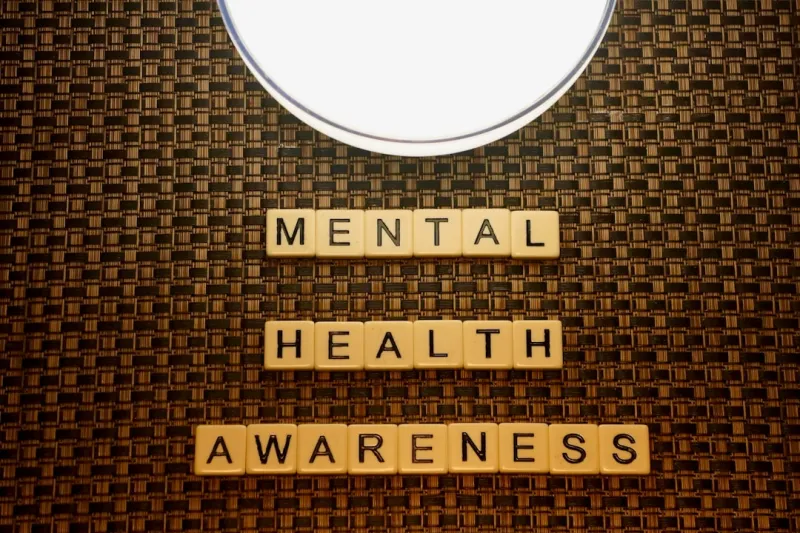
The Interplay Between Mental Health and Physical Wellbeing in Men
The relationship between mental health and physical wellbeing is complex and multifaceted. In men, this interplay can have significant implications for overall health and quality of life. Research has shown that men are often less likely to seek help for mental health issues, which can lead to a range of negative consequences, including increased risk of chronic disease, substance abuse, and even premature mortality. A holistic approach to wellbeing that addresses both mental and physical health is essential for promoting healthy aging and preventing chronic disease.
The Impact of Mental Health on Physical Wellbeing
Mental health can have a profound impact on physical wellbeing. For example, chronic stress and anxiety can lead to increased inflammation, which is a major risk factor for chronic diseases such as heart disease and diabetes. Additionally, poor mental health can disrupt sleep patterns, leading to fatigue, decreased immune function, and a range of other negative consequences. The connection between mental health and weight loss is also well established, with research showing that individuals with mental health issues are more likely to experience weight gain or difficulty losing weight.
The Importance of Preventive Care
Preventive care is essential for promoting healthy aging and preventing chronic disease. This includes regular health check-ups, screenings, and vaccinations, as well as healthy lifestyle habits such as a balanced diet, regular exercise, and stress management. Preventive care can help identify health issues early, when they are more treatable, and can also help reduce the risk of chronic disease. For men, preventive care is particularly important, as they are often less likely to seek help for health issues until they become severe.
The Role of Exercise in Mental Health
Exercise is a critical component of both physical and mental wellbeing. Regular physical activity has been shown to reduce symptoms of anxiety and depression, improve mood, and even reduce the risk of chronic disease. For seniors, exercise is particularly important, as it can help maintain physical function, reduce the risk of falls, and promote overall health and wellbeing. The impact of exercise on mental health in seniors is a critical area of research, as it can help inform strategies for promoting healthy aging.
The Intersection of Mental Health and Chronic Disease
Mental health and chronic disease are closely intertwined. Individuals with chronic disease are more likely to experience mental health issues, such as depression and anxiety, which can exacerbate symptoms and reduce quality of life. Conversely, poor mental health can increase the risk of chronic disease, creating a vicious cycle that can be difficult to break. A holistic approach to wellbeing that addresses both mental and physical health is essential for managing chronic disease and promoting overall health and wellbeing.
The Importance of Holistic Care
Holistic care that addresses both mental and physical health is essential for promoting overall wellbeing. This approach recognizes that mental and physical health are interconnected and that addressing one aspect of health can have a positive impact on the other. Holistic care can include a range of interventions, such as therapy, medication, exercise, and nutrition counseling, and can be tailored to meet the unique needs of each individual.
The Challenges of Mental Health in Modern Times
Mental health is a critical issue in modern times, with increasing rates of anxiety, depression, and other mental health issues. The modern lifestyle, with its emphasis on productivity, technology, and social media, can exacerbate mental health issues, creating a perfect storm of stress, anxiety, and burnout. The unseen struggle of mental health in modern times is a critical issue that requires attention and action.
The Future of Mental Health and Physical Wellbeing
The future of mental health and physical wellbeing is complex and multifaceted. As the population ages, there will be an increasing need for services and interventions that address the unique needs of older adults. Additionally, there will be a growing recognition of the importance of preventive care and holistic approaches to wellbeing. By prioritizing mental health and physical wellbeing, individuals can promote healthy aging, reduce the risk of chronic disease, and improve overall quality of life.
Conclusion
In conclusion, the interplay between mental health and physical wellbeing is complex and multifaceted. A holistic approach to wellbeing that addresses both mental and physical health is essential for promoting healthy aging, preventing chronic disease, and improving overall quality of life. By prioritizing mental health and physical wellbeing, individuals can take control of their health and wellbeing, and promote a longer, healthier life.

Related Posts

Functional Mobility: The New Frontier of Men’s Health
Functional mobility blends flexibility, joint health, and neural coordination, offering men a path t... Read More

Reclaiming Male Vitality: A Holistic Playbook for Modern Men
Discover a comprehensive, 30‑day plan that blends hormone awareness, targeted nutrition, micro‑m... Read More

Why Brotherhood Workouts Are the Secret Weapon for Men’s Longevity
Brotherhood workouts combine heavy lifting, shared goals, and social bonding to boost hormones, impr... Read More
Top Posts

Beyond the Dark: Reclaiming Sleep with a Sensory Reset
A practical guide that transforms your bedroom into a sleep‑friendly sanctuary by aligning light, temperature, sound, scent, and space, offering professionals...Read More

The Connection Between Physical and Mental Health: A Holistic Approach
The relationship between physical and mental health is complex and bidirectional. Learn how prioritizing physical health can have a positive impact on mental we...Read More

Why Your Smile Is the Secret Weapon for a Sharper Mind
A fresh look at brain health reveals that maintaining good oral hygiene and healthy gums can reduce neuroinflammation, support neurotransmitter balance, and imp...Read More

The Quiet Power of Pelvic Wellness: A Modern Guide for Women
A comprehensive, science‑backed guide that helps women understand and nurture their pelvic floor, offering everyday practices, lifestyle tweaks, and the lates...Read More
0 Comments
Post Comment
You will need to Login or Register to comment on this post!