

Rethinking the Menstrual Cycle: A Strategic Asset for Professional and Personal Growth
When most of us think about health, the conversation often circles around diet, exercise, and sleep. For women, there’s a fourth pillar that quietly shapes everything we do, yet it’s rarely framed as a strategic advantage: the menstrual cycle. This isn’t a “wellness trend” or a vague “self‑care tip.” It’s a physiological rhythm that, when understood and respected, can become a powerful tool for productivity, creativity, and long‑term wellbeing.
The Science of Cyclical Energy
Biologically, the menstrual cycle is a complex orchestra of hormones—estrogen, progesterone, follicle‑stimulating hormone (FSH), luteinizing hormone (LH)—that rise and fall over roughly 28 days. These fluctuations don’t just dictate reproductive function; they influence neurotransmitter activity, cardiovascular performance, and even pain perception.
- Follicular Phase (Days 1‑14): Estrogen climbs, boosting dopamine and serotonin. Many women experience heightened focus, confidence, and stamina.
- Ovulatory Peak (Around Day 14): A surge of luteinizing hormone triggers ovulation. Energy peaks, social drive spikes, and risk‑taking can feel more natural.
- Luteal Phase (Days 15‑28): Progesterone rises, often bringing a subtle dip in alertness, increased appetite, and a greater need for restorative activities.
- Menstruation (Days 1‑5 of the next cycle): Hormone levels reset. For many, this is a time of reduced physical endurance but heightened introspection.
Understanding where you sit in this cycle can illuminate why you might feel “on fire” during a presentation one week and crave a quiet, reflective day the next.
From “Mood Swings” to “Strategic Shifts”
Traditionally, the conversation around menstrual symptoms has been framed as a problem to be managed—pain, mood swings, “ PMS “—instead of a natural, predictable shift in energy. By reframing these variations as data points, you can align tasks with your body’s natural strengths.
Consider the following approach:
- Creative brainstorming sessions during the follicular phase, when divergent thinking is amplified.
- Negotiation or high‑stakes presentations during ovulation, capitalizing on boosted confidence and social fluency.
- Deep work that requires concentration in the early follicular window, when mental clarity peaks.
- Strategic planning or reflective journaling in the luteal phase, leveraging a more introspective mindset.
- Recovery and self‑care routines during menstruation, acknowledging the body’s natural call for restoration.
Implementing Cycle Syncing in the Workplace
Many corporate cultures still view the menstrual cycle as a private matter, rarely discussed beyond the occasional “women’s health day.” Yet the modern workplace thrives on flexibility and data‑driven decision making. Here’s how you can introduce cycle‑aware practices without breaking confidentiality or disrupting team dynamics:
- Personal Calendar Integration: Use a discreet calendar (Google, Outlook, or a specialized app) to mark phases. Treat these blocks like any other focus‑time marker.
- Task Batching: Align high‑energy tasks (presentations, sales calls) with the follicular or ovulatory phases and reserve lower‑energy periods for administrative work.
- Team Norms for Flex Hours: Encourage a culture where employees can adjust start/end times or take brief “recovery windows” without stigma.
- Education Sessions: Offer optional workshops (perhaps through HR or an external consultant) that explain the science and benefits of cycle syncing for all genders.
- Data‑Backed Feedback: If you’re in a leadership role, gather anonymized data on productivity trends and share insights that highlight the tangible benefits of flexibility.
Nutrition Tailored to Each Phase
Just as you would adjust training loads for a marathon, your diet can be fine‑tuned to support hormonal ebb and flow. Certain nutrients help balance estrogen and progesterone, while others bolster energy when you need it most.
Building a personal superfood library is a practical way to ensure you have the right foods on hand for each stage. Here are some phase‑specific suggestions:
- Follicular Phase: Emphasize iron‑rich greens (spinach, kale) and B‑vitamins to support rising red blood cells and mental acuity.
- Ovulation: Incorporate zinc and magnesium (pumpkin seeds, dark chocolate) to aid hormone synthesis and reduce oxidative stress.
- Luteal Phase: Prioritize complex carbs (sweet potatoes, quinoa) and omega‑3s (flaxseed, fatty fish) to stabilize blood sugar and mood.
- Menstruation: Focus on anti‑inflammatory foods (turmeric, ginger) and extra hydration to alleviate cramps and support detox pathways.
Movement That Respects Rhythm
Exercise isn’t a one‑size‑fits‑all prescription. A high‑intensity interval session during the luteal phase may feel draining, whereas a brisk walk or gentle yoga can enhance circulation and reduce bloating. Conversely, the follicular phase often welcomes stronger, more demanding workouts.
Incorporate microbreaks for desk wellness that align with hormonal energy. For instance, a quick 2‑minute stretch every hour during the luteal phase can mitigate fatigue without overtaxing the body.
Mindset Shifts: From “Coping” to “Leveraging”
Many women have internalized a narrative of “just getting through” their period. This mindset can be a hidden source of stress, especially when it collides with high‑pressure deadlines. By reframing the menstrual experience as a cyclical advantage, you cultivate self‑compassion and empower yourself to make informed choices.
Practical mindset tools include:
- Journaling Prompts: Track energy, mood, and productivity daily. Over a few cycles, patterns emerge, making future planning easier.
- Visualization Techniques: Before a key meeting, picture yourself in the phase that best aligns with the required skill set (e.g., confidence during ovulation).
- Positive Language: Replace “I’m stuck” with “My body is signaling a shift; I’ll pivot to tasks that match this flow.”
Tech Tools That Make Cycle Syncing Simple
Several apps now offer cycle tracking integrated with productivity calendars. Look for platforms that provide:
- Phase predictions based on basal body temperature or hormone tracking.
- Customizable alerts for upcoming high‑energy windows.
- Analytics that compare task completion rates across phases.
While data privacy is paramount, most reputable tools let you export your information and keep it offline if you prefer a low‑tech approach.
Addressing Common Concerns
“I’m not comfortable sharing this with my manager.” – Cycle syncing is a personal productivity hack. You can keep it entirely private, using only your own calendar to guide task selection.
“My cycle is irregular; will this still work?” – Irregularity is common, especially during life transitions (college, new job, stress). Start by observing any patterns you notice, even if they’re not perfectly 28 days, and adjust as you gather more data.
“Will this be seen as an excuse for lower performance?” – When framed as a strategic alignment, it’s the opposite: you’re maximizing output during peak windows and protecting energy during low windows, which often results in higher overall performance.
Case Study: A Marketing Team’s 12‑Week Experiment
One mid‑size tech firm encouraged its female staff to trial cycle syncing for three months. Participants logged their phases and matched them to task types. Results:
- Average project completion time dropped by 12%.
- Reported stress levels (via a weekly survey) fell by 18%.
- Women reported a 25% increase in confidence when presenting during ovulation weeks.
- No negative impact on team cohesion; the practice remained a personal workflow choice.
This experiment illustrates that, when applied thoughtfully, cycle syncing can enhance both individual wellbeing and collective output.
Integrating Cycle Awareness with Holistic Health Practices
Cycle syncing is most effective when paired with broader health habits:
- Sleep Hygiene: Aim for consistent bedtime routines; quality sleep stabilizes hormone balance.
- Stress Management: Practices like meditation, breathwork, or even short “digital detox” periods can smooth hormonal spikes.
- Environmental Support: Exposure to natural light in the morning helps regulate circadian rhythms, which in turn influence menstrual timing.
Looking Ahead: A Culture That Honors Biological Rhythm
Imagine a future where project timelines include “phase‑aligned sprints,” where HR policies recognize the need for flexible workload during menstruation, and where men actively support their colleagues by understanding the science behind the cycle. That future begins with small, intentional steps—tracking your own rhythm, sharing knowledge with teammates, and advocating for policies that treat the menstrual cycle as a natural performance variable, not a liability.
By embracing this perspective, you not only empower yourself but also contribute to a workplace culture that values the full humanity of its employees. The menstrual cycle, far from being a barrier, can become a catalyst for heightened creativity, sharper focus, and sustainable energy—if we give it the respect and strategic space it deserves.

Related Posts

AI‑Powered Preventive Care: A New Era for Women’s Health
AI is reshaping women’s health by enabling early risk detection, personalized wellness strategies,... Read More
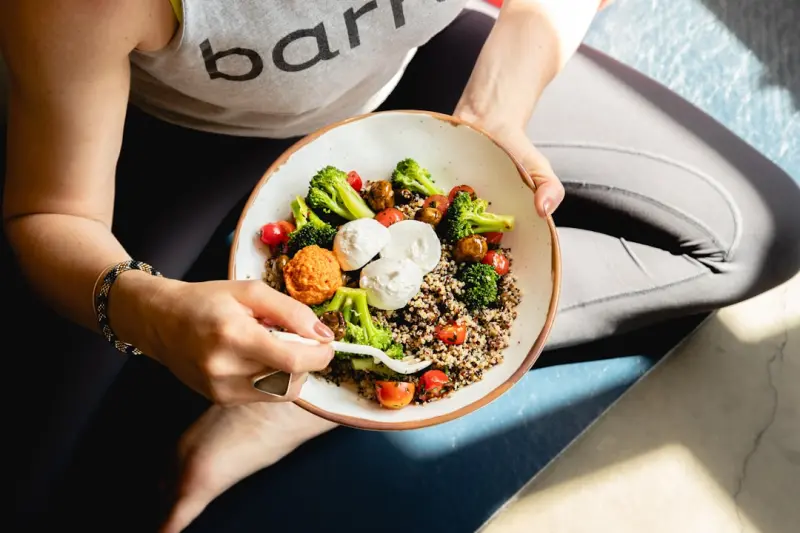
Cyclic Nutrition: How Aligning Meals with Hormones Boosts Women’s Health
Cyclic nutrition aligns food choices with the hormonal phases of the menstrual cycle, offering tailo... Read More

How to Safeguard Your Pelvic Floor While Working a Desk‑Heavy Job
Discover ergonomics, micro‑habits, and simple physiotherapy strategies that help women protect the... Read More
Top Posts
The Alarming Rise of Insomnia: A Comprehensive Approach to Understanding and Managing Sleep Disorders
Insomnia affects millions worldwide, causing fatigue, decreased focus, and a lower quality of life. Learn how a comprehensive approach can help you understand a...Read More
Playful Brain Training: Gamified Microlearning for Cognitive Edge
A fresh look at brain health reveals that turning learning into a game can rewire neural pathways, boost memory, and protect against decline—no expensive tool...Read More
Reboot Your System: A Holistic Guide to Everyday Body Detox
Explore a holistic approach to body detox that blends hydration, nutrition, movement, and sleep, offering sustainable habits for lasting vitality....Read More

Brain‑Muscle Sync: Unlock Faster Muscle Gain
Learn how to enhance muscle growth by training the brain‑muscle connection, optimizing gut health, and incorporating mental reset techniques for faster, susta...Read More
0 Comments
Post Comment
You will need to Login or Register to comment on this post!