
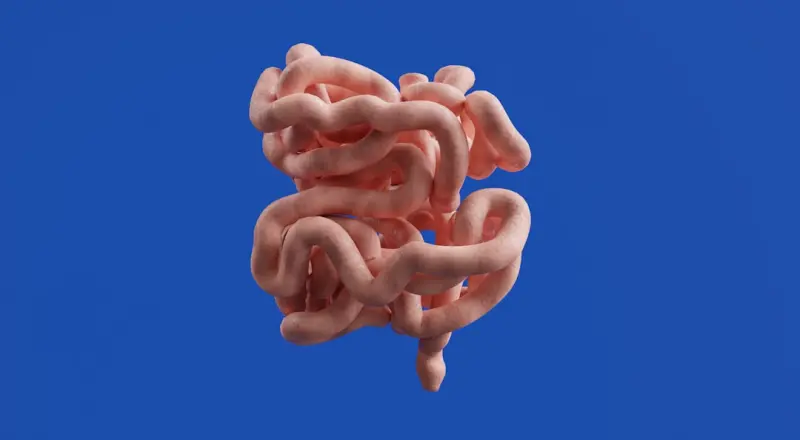
When the boardroom lights dim and the inbox quiets, the last thing most high‑performing men think about is the bustling metropolis of microbes living in their gut. Yet that invisible ecosystem is a silent commander, influencing everything from mental clarity to cardiovascular stamina. In the fast‑paced world of executives, entrepreneurs, and athletes, ignoring the gut isn’t just a minor oversight—it’s a strategic liability.
The Gut‑Brain‑Heart Connection: A Trifecta You Can’t Afford to Neglect
Decades of research have shown that the gut microbiome talks to the brain via the vagus nerve, produces neurotransmitters, and modulates inflammation. What’s less talked about is how those same microbial metabolites directly affect the heart’s rhythm and vascular health. For men who rely on split‑second decision‑making and sustained physical endurance, the gut becomes the unsung ally—or adversary—of performance.
- Neurochemical output: Certain bacteria synthesize gamma‑aminobutyric acid (GABA) and serotonin, chemicals that temper stress responses and sharpen focus.
- Inflammatory balance: A diverse microbiome produces short‑chain fatty acids (SCFAs) that reduce systemic inflammation, a known risk factor for atherosclerosis.
- Metabolic efficiency: Gut microbes aid in extracting and regulating nutrients, influencing everything from testosterone synthesis to glucose stability.
The bottom line? A compromised gut can masquerade as fatigue, mood swings, or even “just getting older.” The reality is that your microbiome may be throttling the very metrics you track for success.
Why Men Usually Miss the Memo
Traditional men’s health narratives have long centered on cardio, weightlifting, and hormone panels. The gut, however, remains tucked away behind jargon and the occasional probiotic ad. There are three main reasons for this blind spot:
- Visibility Gap: Gut health isn’t as instantly measurable as blood pressure or bench‑press maxes. The signs are subtle—digestive discomfort, brain fog, or low‑grade inflammation—making it easy to dismiss.
- Cultural Narrative: Men are conditioned to “push through” discomfort. The notion of “listening to your gut” feels unmanly when the prevailing mantra is “no pain, no gain.”
- Information Overload: The market is saturated with quick‑fix supplements, but few resources translate cutting‑edge microbiome science into actionable, performance‑oriented strategies.
Breaking through these barriers starts with reframing the gut as a core performance system, not a peripheral concern.
Science Snapshot: What the Latest Studies Reveal
Recent longitudinal studies involving men aged 25‑55 have identified three microbiome patterns that predict superior cognitive and cardiovascular outcomes:
- High Prevotella Ratio: Associated with better carbohydrate metabolism and sustained energy during endurance activities.
- Elevated Bifidobacterium Levels: Correlate with lower cortisol spikes during high‑stress tasks.
- Rich Diversity Index (Shannon Index > 4.5): Linked to reduced arterial plaque formation over a five‑year span.
These findings aren’t academic curiosities—they’re practical signals. If your routine leaves you with a gut profile that falls short, you’re effectively operating at a handicap.
Actionable Blueprint: Rebooting Your Microbiome for Peak Performance
1. Adopt a Fiber‑First Plate
Soluble fibers—think chicory root, oats, and legumes—feed beneficial bacteria, prompting SCFA production. Aim for at least 30 grams of fiber daily, split across meals to maintain a steady supply of pre‑biotics.
2. Embrace micro‑movement integration
Short bouts of low‑intensity activity (standing, light walking, or even desk stretches) keep intestinal motility humming. The science shows that even five minutes of movement every hour prevents dysbiosis triggered by prolonged sitting.
3. Prioritize Sleep Quality
During deep sleep, the gut barrier repairs itself, and the body rebalances microbial populations. Target 7‑9 hours of uninterrupted rest, and consider a pre‑bedtime routine that limits blue‑light exposure.
4. Optimize Your male hormone health guide
Testosterone production is partially contingent on gut‑derived nutrients like zinc and vitamin D. A gut‑friendly diet rich in nuts, seeds, and oily fish ensures you’re not starving your endocrine system.
5. Harness the Power of Breath
Controlled diaphragmatic breathing boosts vagal tone, which in turn enhances gut‑brain communication. Incorporate 5‑minute breathing drills before high‑stakes meetings or workouts.
6. Strategic Supplementation
If dietary changes fall short, consider targeted probiotic strains that have shown performance benefits:
- Lactobacillus plantarum: Improves endurance by reducing lactic acid buildup.
- Bifidobacterium longum: Lowers cortisol responses to acute stress.
- Saccharomyces boulardii: Supports gut barrier integrity during antibiotic courses.
Choose a multi‑strain formula with at least 10 billion CFU per serving, and cycle it every three months to prevent microbial plateau.
7. Detoxify with Intent
While the body has built‑in detox pathways, modern diets and environmental toxins can overwhelm them. A focused cleanse—such as a breathing out toxins protocol that combines antioxidant‑rich foods, intermittent fasting, and nasal breathing—can reset microbial balance and improve oxygen delivery to the heart.
Integrating Gut Health into Your Existing Performance Stack
Think of your health regimen as a tech stack. You already have a hardware layer (exercise, sleep) and an software layer (mindset, productivity tools). The microbiome is the middleware that translates hardware output into software efficiency. When you upgrade this layer, you’ll notice smoother data flow: less mental lag, steadier heart rate variability, and more reliable energy curves.
Start by mapping your current habits onto the six‑point blueprint above. Identify gaps—perhaps you’re neglecting fiber or missing micro‑movements—and set micro‑goals. For instance, replace one sugary snack with a handful of almonds, or schedule a standing reminder every 60 minutes. Small, consistent adjustments compound, delivering a noticeable performance edge within weeks.
Measuring Success: Metrics That Matter
Unlike the vague “feel better” sentiment, gut health can be quantified. Track the following KPIs for a data‑driven approach:
- Heart Rate Variability (HRV): An upward trend often signals reduced systemic inflammation.
- Resting Heart Rate (RHR): A decline of 2‑3 bpm may indicate improved cardiovascular efficiency.
- Morning Cognitive Test Scores: Simple reaction‑time apps can highlight brain‑gut synergy.
- Digestive Comfort Index: Rate bloating, gas, and regularity on a 1‑10 scale daily.
Log these metrics alongside dietary and movement inputs. Over time, patterns will emerge, allowing you to fine‑tune your microbiome strategy.
Final Thought: Own Your Internal Engine
High‑performance men are accustomed to optimizing external systems—CRM platforms, financial models, workout regimens. It’s time to bring that same rigor to the internal engine that powers everything else: the gut microbiome. By treating your gut as a strategic asset, you unlock a cascade of benefits that ripple through cognition, stamina, and heart health.
Remember, the most effective upgrades are the ones you can sustain. Start small, iterate, and let the data guide you. Your gut is waiting—make it your competitive advantage.

William Roy is a freelance writer originally from Montreal who moved to Ottawa with his wife of 50 years to be closer to their grandkids. Alongside his writing, William has a passion for fishing.
Related Posts

Rebooting Male Vitality: A Holistic Playbook for Modern Men
A comprehensive guide that blends exercise, nutrition, sleep, and mental habits to help modern men r... Read More

Cold Exposure: Unlocking Hidden Power for the Modern Man
Cold exposure triggers hormonal boosts, faster recovery, and mental resilience. Learn practical step... Read More

Why Men’s Health Needs a Holistic Overhaul in 2024
A new era for men’s health: blend functional training, gut‑smart nutrition, restorative sleep, a... Read More
Top Posts

Designing the Switch: How Smart Vaping Harnesses Habit Loops to End Smoking
Modern vaping devices are more than nicotine delivery tools; they’re behavioral design platforms that rewrite cue‑routine‑reward loops, offering smokers a...Read More

Weight Loss as a Sensory Adventure: Listening to Your Body’s Hidden Cues
A sensory‑focused weight‑loss journey transforms meals into mindful experiences, using texture, temperature, and seasonal eating to naturally guide the body...Read More

The Impact of Preventive Care on Cancer Treatment Outcomes
Preventive care plays a vital role in the early detection and treatment of cancer. Learn how prioritizing preventive care can help individuals reduce their risk...Read More

The Longevity Edge: Harnessing Purpose and Adaptive Resilience
A purpose‑first approach to longevity combines neuroscience, hormesis, social contribution, and environmental epigenetics, offering a practical roadmap for la...Read More
0 Comments
Post Comment
You will need to Login or Register to comment on this post!